
 Dad Caps
 Five Panel Hats
 Mesh Back Hats
 In Stock Blanks
 Snapback Hats
 Stretchfit Hats
 Duffel Bags
 Backpacks
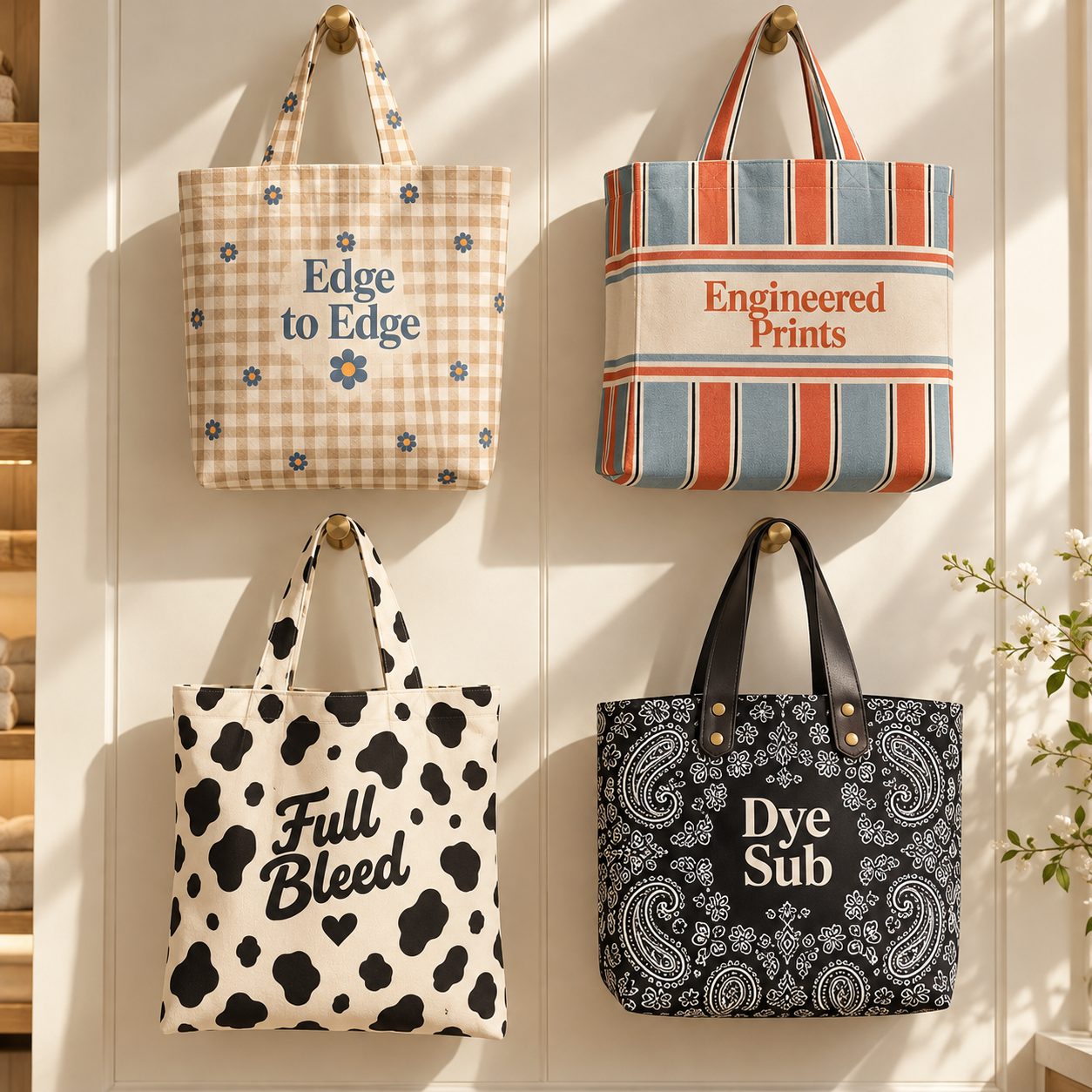
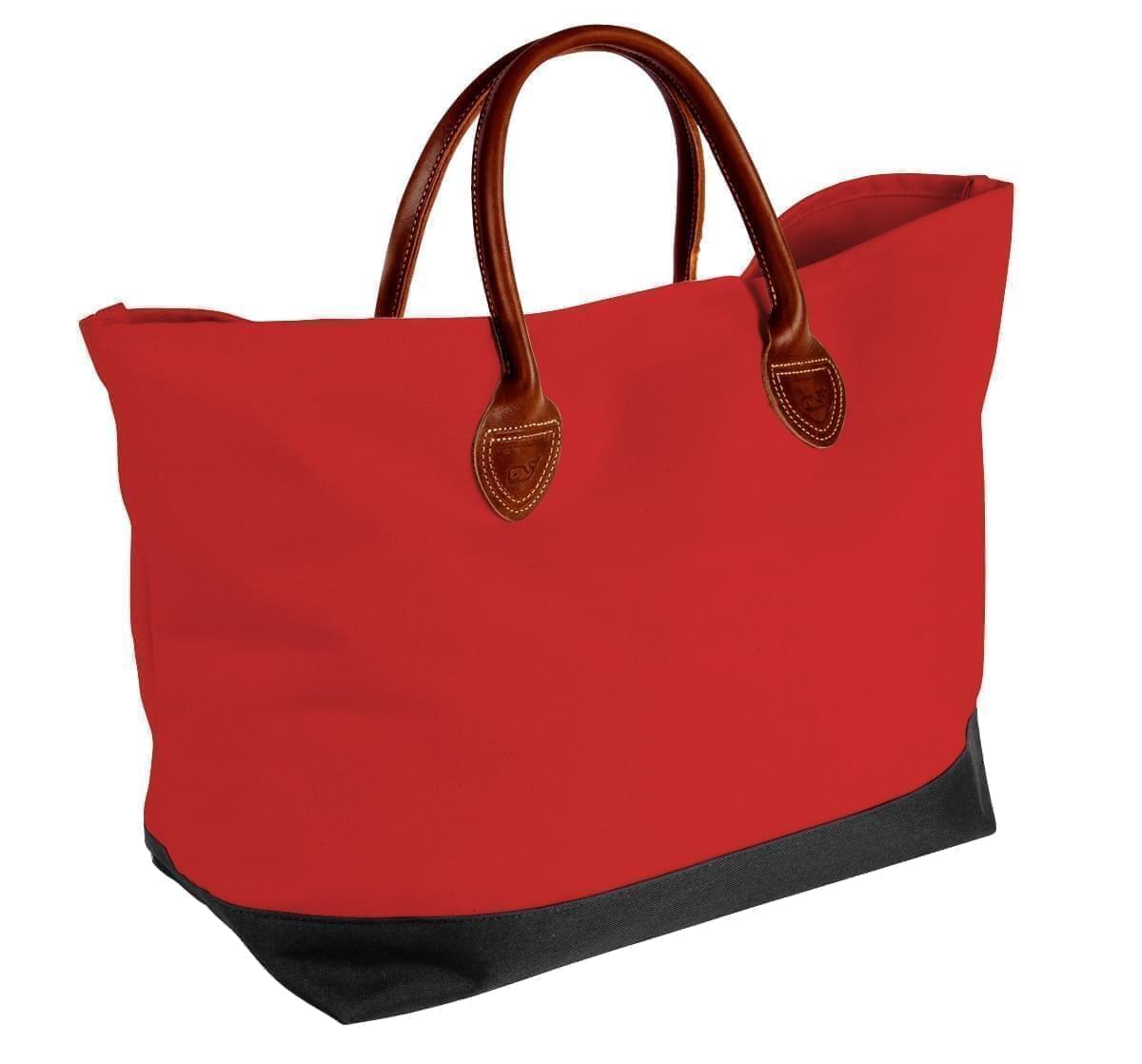 Tote Bags
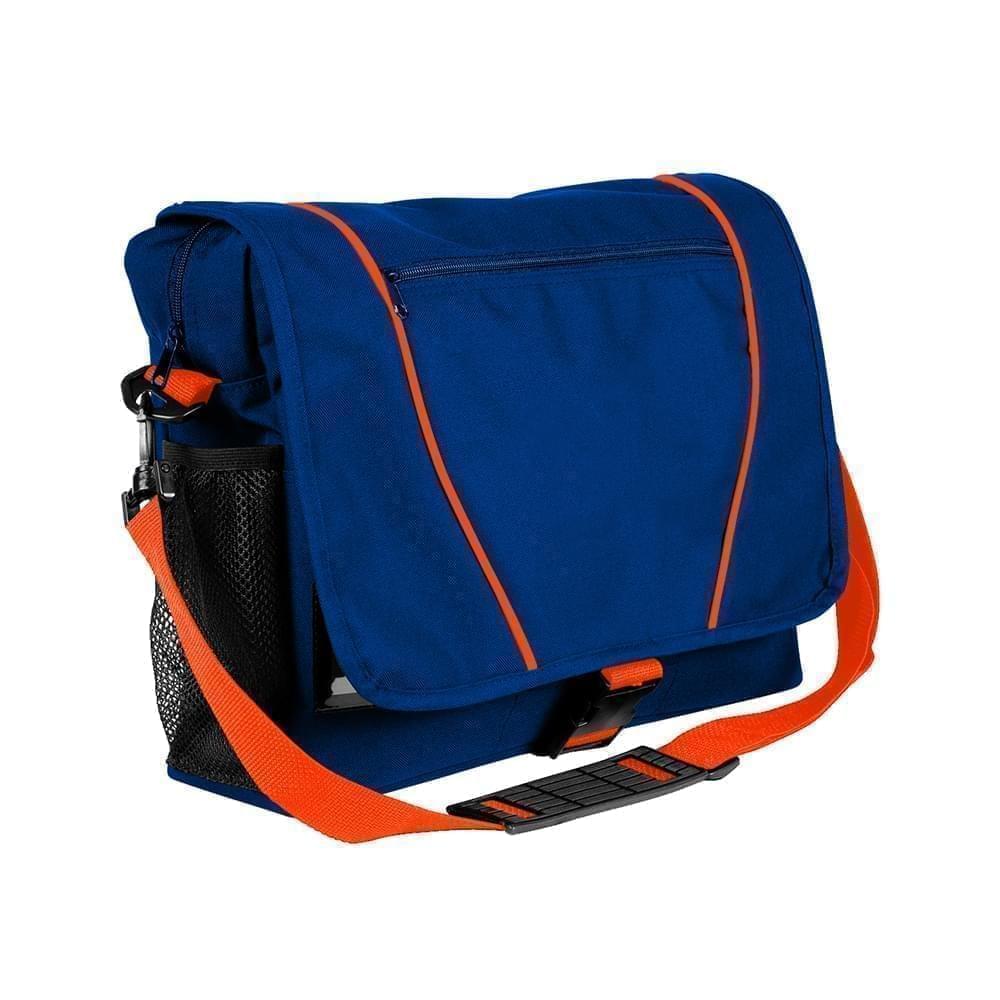 Computer Bags
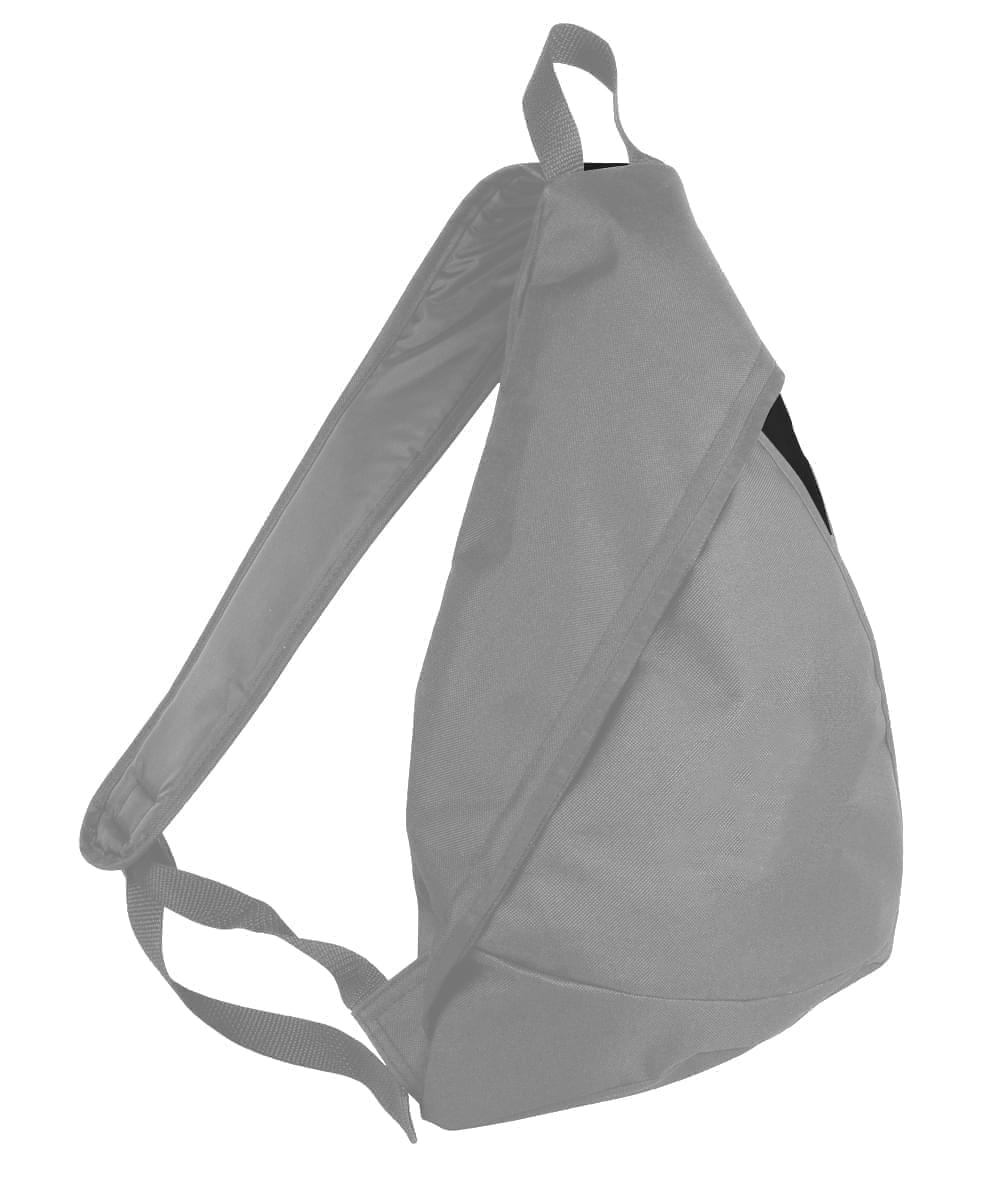 Sling Messenger Bags
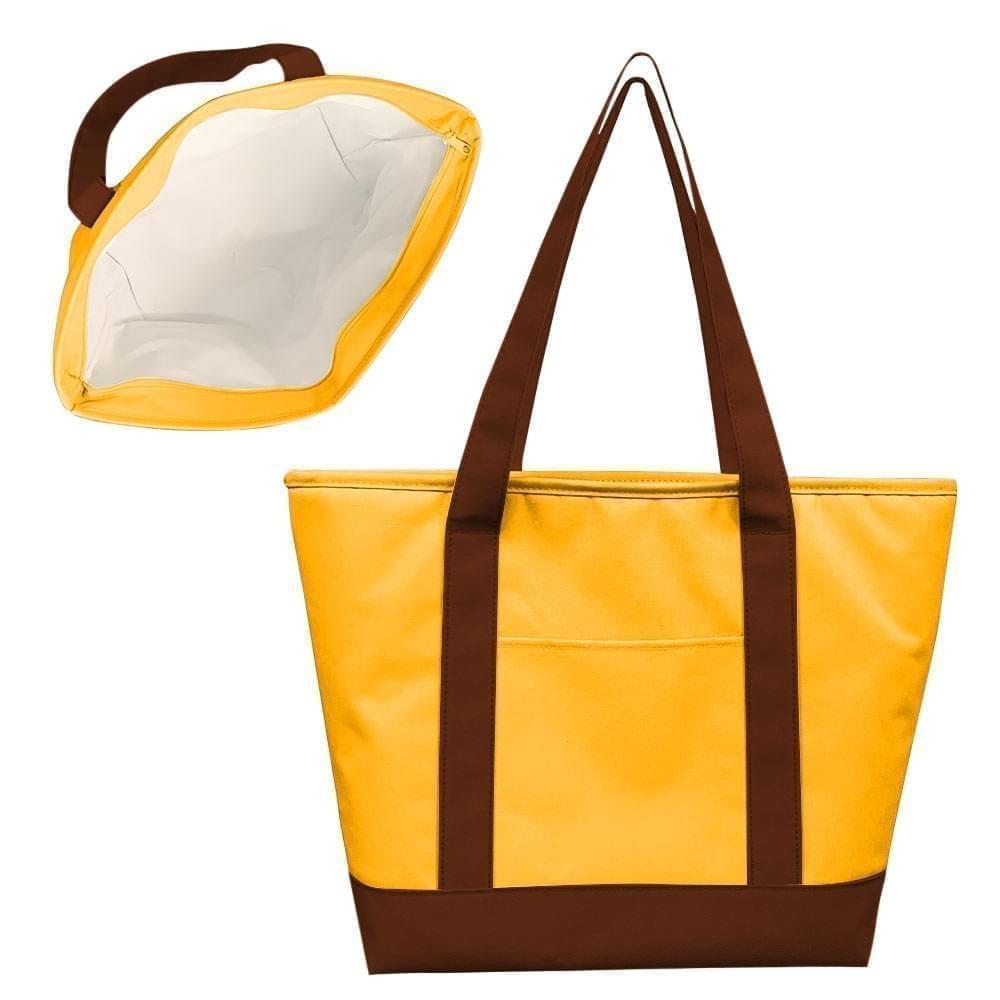 Cooler Bags
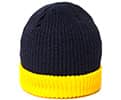 Cuff Hats
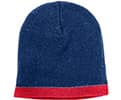 Beanies
 Scarves
 Zipper Folders
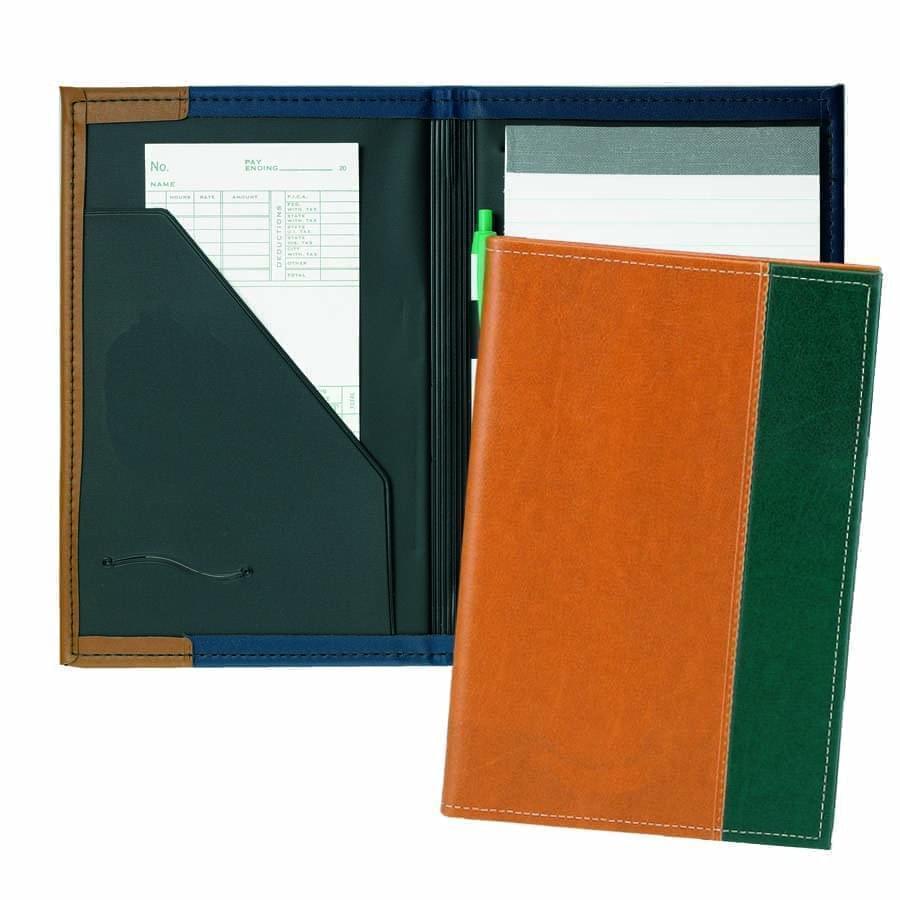 Stitched Folders
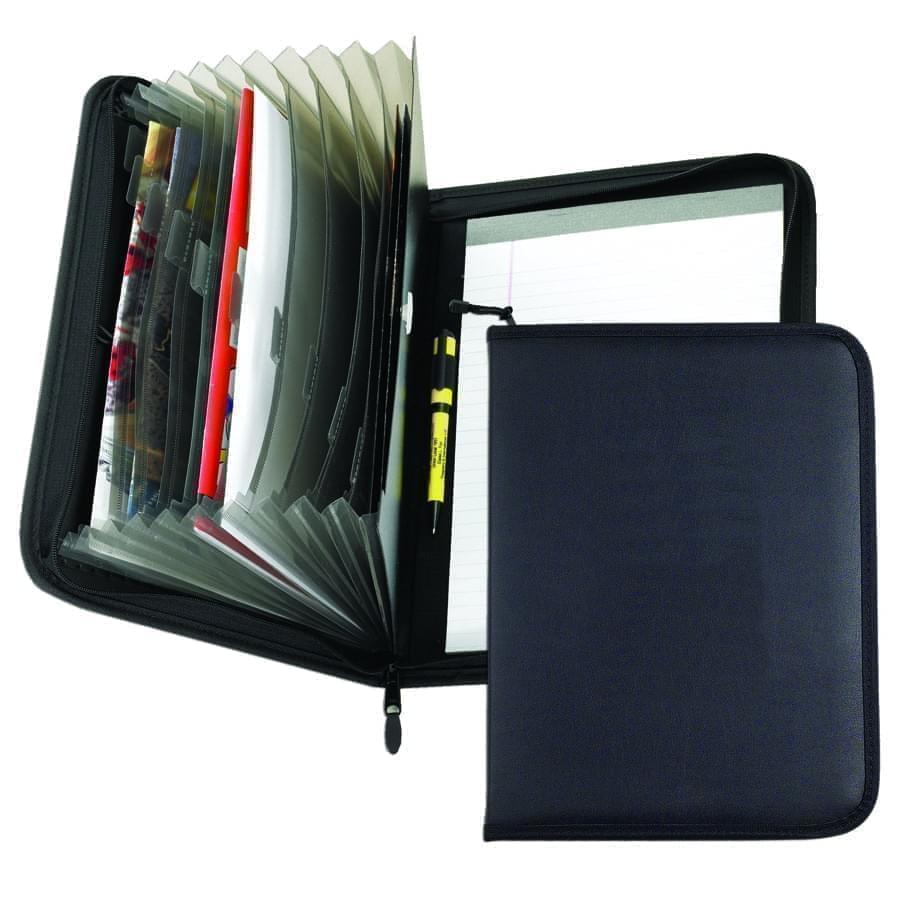 Accordion Folders
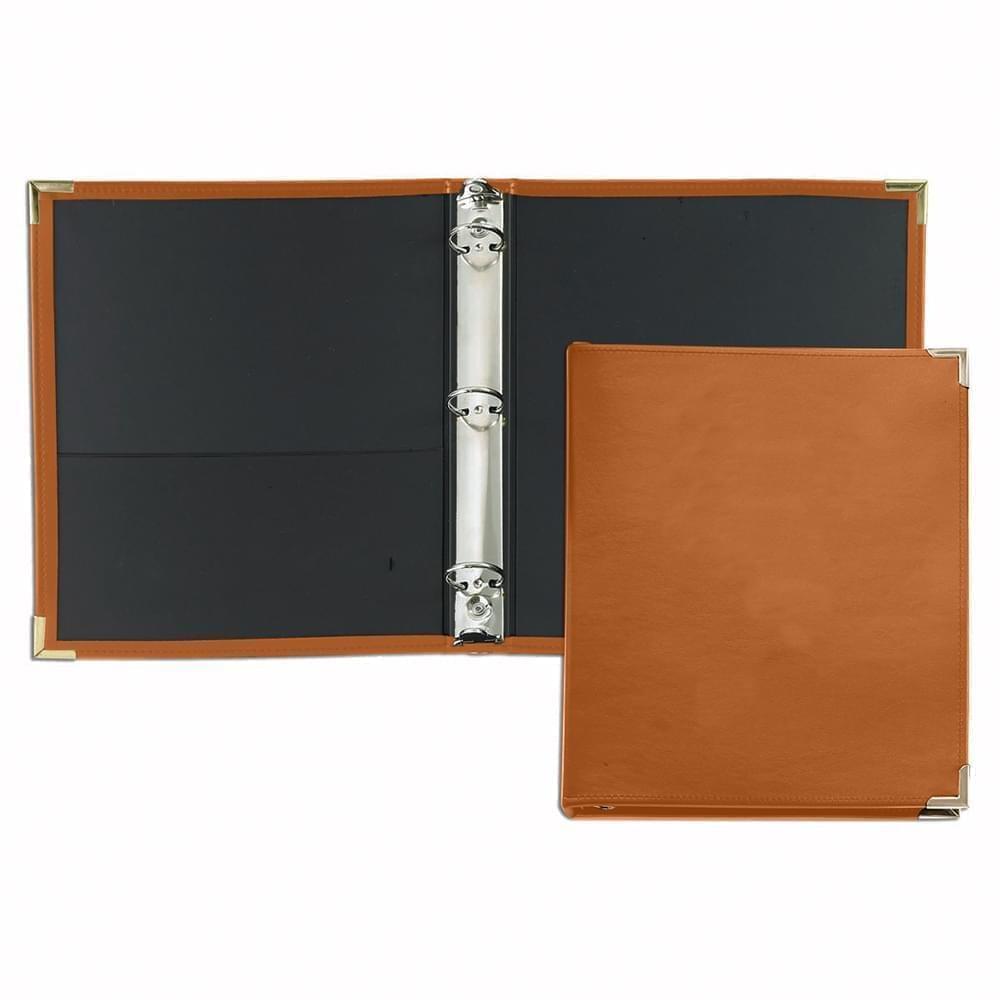 Ring Binders
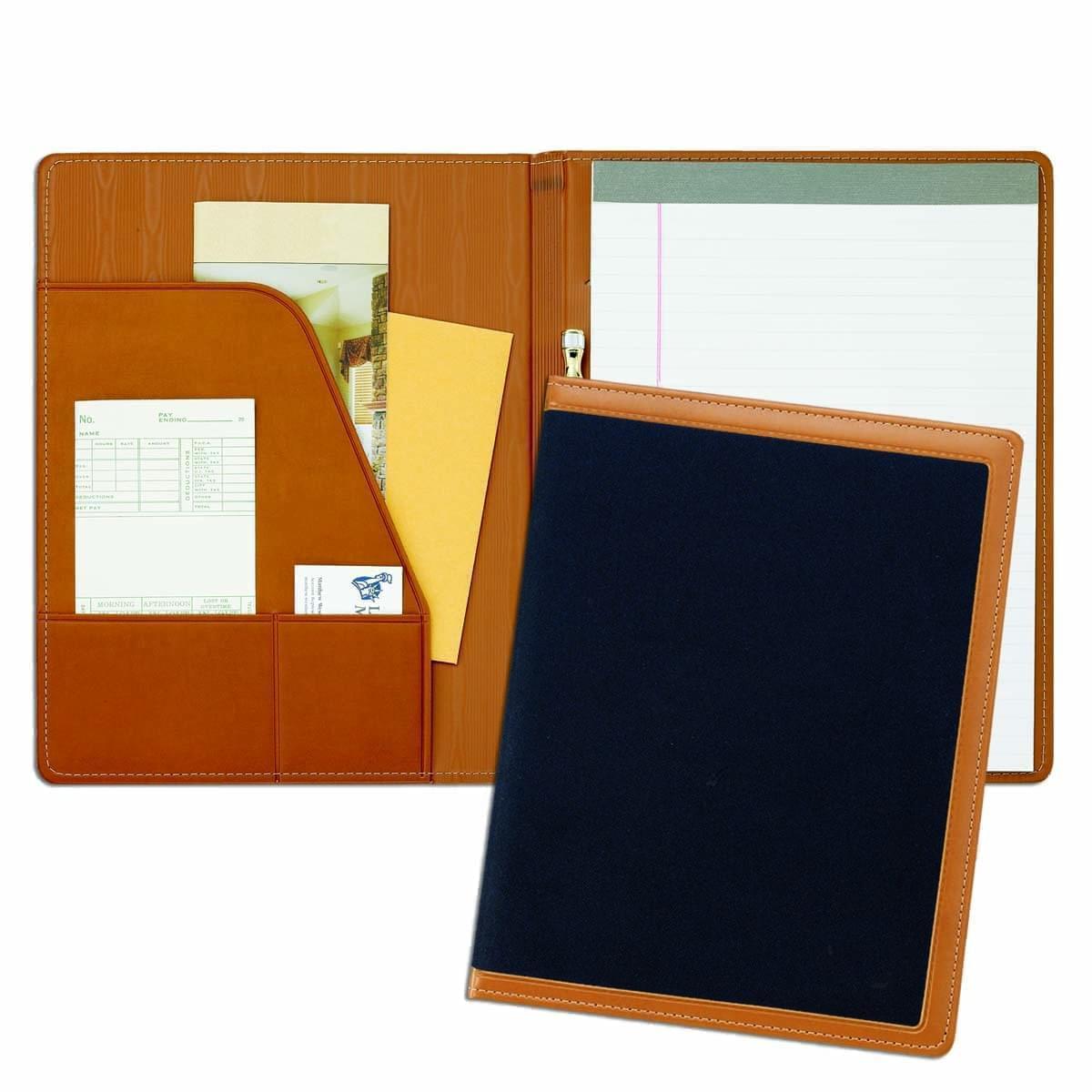 Letter Folders
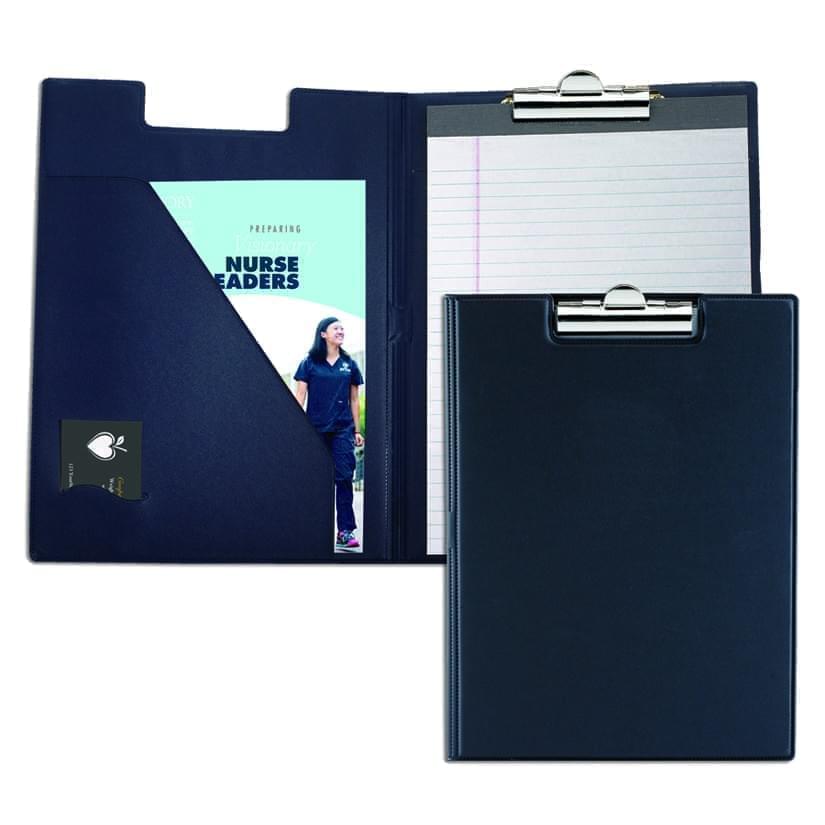 Clipboards

 Union Made In USA
By Mitch Cahn, President, Unionwear
When people want an eco-friendly tote or cap, they look for “organic” or “recycled” on the label. The bigger lever most people miss is where the product is made. A bag made close to home on cleaner electricity usually beats a “green” bag made overseas and shipped across the world. Local and organic together is the real winner, and you don’t have to choose.
What’s the greenest choice when buying a tote or bag?
Most people assume it is the material. But material is the smaller of two levers. A bag’s biggest environmental cost usually isn’t the cotton; it is the electricity used to make the fabric and the journey the finished bag takes to reach you. Think of the old “reduce, reuse, recycle” ranking: some choices matter more than others. With promotional products, where it is made sits above what it is made of.
Why does where a product is made matter more than what it’s made of?
Making fabric takes an enormous amount of electricity, and electricity is dirty or clean depending on where the factory is plugged in. The grids that power most imported caps and bags are far dirtier than ours: about 0.62 kg of CO2 per kWh in Bangladesh and about 0.72 in India, against about 0.27 for the New Jersey grid, according to Bangladesh’s UN Biennial Update Report, India’s Central Electricity Authority and the US EPA’s eGRID. The same tote sewn in Dhaka instead of Newark is born with roughly twice the pollution baked in, before it has shipped a single mile.
In everyday terms, our estimate puts a conventional cotton tote made here at about 0.7 kg of carbon, and the identical bag made in Bangladesh at about 1.1 to 1.2 kg. Almost all of the difference is the electricity. The label didn’t change; the outlet did. (Method and sources are at the end of this post.)
How much dirtier is shipping, especially by air?
More than people think. Per item, ocean shipping is slow but surprisingly clean. Putting the same item on an airplane is roughly 50 times dirtier, by the UK government’s 2024 freight conversion factors. And promotional products get flown constantly, because the business runs on deadlines. A trade show, a campaign launch or a product release doesn’t move; a late order goes on a plane. No one publishes how much promo gets air-freighted, so we won’t pretend to. The closest comparison is fast fashion: Public Eye found in 2023 that Zara’s parent flew nearly a quarter of its Bangladesh production by air, while more carefully planned brands kept it near 1 to 2 percent.
Before an imported bag reaches the boat, it is trucked from factory to port, often hundreds of miles in older, half-full trucks: close to 300 miles from India’s biggest textile town, around 150 from Bangladesh’s garment belt. A bag made in the USA skips the ocean, the plane and that trucking.
What about the rivers in the countries these come from?
This cost the label hides completely. Many “green” imports come from places where rules on factory waste are far weaker than ours, so the pollution isn’t erased, just moved somewhere it is allowed to be worse. Dyeing and finishing is one of the dirtiest steps in textiles; the World Bank has attributed roughly a fifth of industrial water pollution worldwide to it. In Tirupur, India, so much dye waste reached the Noyyal river that a downstream reservoir flush in 2005 turned up more than 400 tons of dead fish, and in 2011 a court ordered more than 700 dyeing units shut. The Buriganga through Dhaka is among the most polluted rivers on earth. None of that appears on an “organic” tag. Making things here keeps production under American environmental rules.
So is an organic tote made overseas greener than a conventional one made in the USA?
Usually not. Organic cotton helps, but a little: research puts its growing footprint roughly a quarter below conventional cotton. Making the bag here instead of overseas saves about four times more than going organic does. An organic bag made in Bangladesh can carry more pollution than a plain conventional bag made in New Jersey. The label describes the material, and the material was never the main event.
The good news is you don’t have to choose. Local is the biggest win; organic or recycled material is a real additional win. We make both here, on one of the cleaner grids in the country.
Does making things close to home cut waste?
Yes. Overseas production usually means ordering huge quantities months ahead on a guess. When the guess is high, the leftovers get marked down, warehoused or thrown away. Making locally in small batches lets buyers order closer to what they need, so far less ends up in a landfill.
How do you get the greenest promo product?
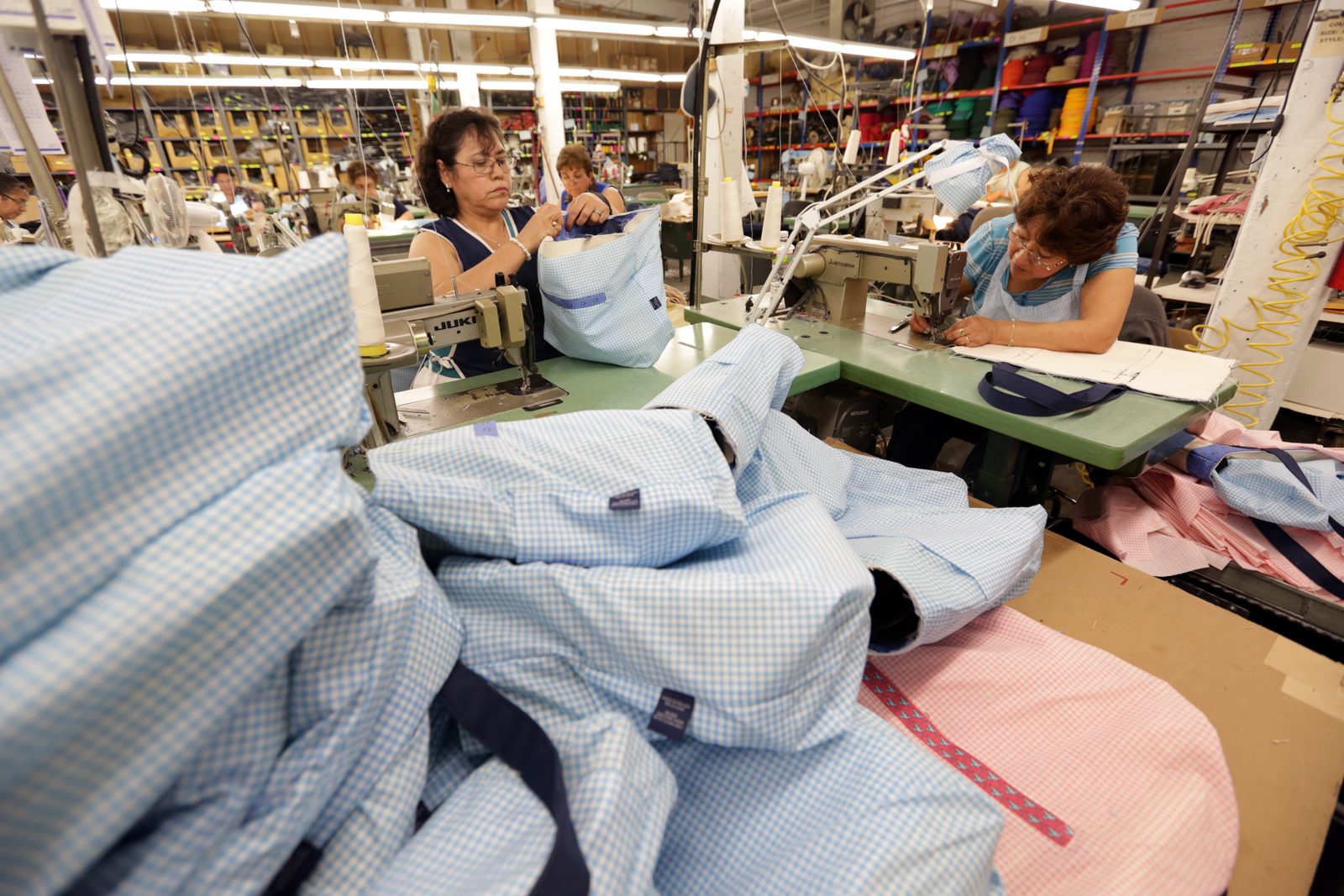
Look past the label to where and how the product is made. Ask your supplier two questions: where is this actually made, and how does it get here? Then compare the real answer. We make caps, tote bags and accessories in Newark, New Jersey, close to where they are used, with organic and recycled versions made to order. Request a quote.
Published October 2026. Refreshed quarterly; changes are noted here.
Method and sources. The bag comparison (about 0.7 kg CO2e made here vs 1.1–1.2 kg made in Bangladesh) combines official grid figures (US EPA eGRID2023, RFC-East, 0.272 kg CO2e/kWh; Bangladesh Biennial Update Report to the UNFCCC, 2023, about 0.62; India Central Electricity Authority CO2 Baseline Database FY2022–23, about 0.716), the Cotton Incorporated / PE International cotton LCA (2012), a mid-range estimate of electricity per yard of fabric, and the UK DESNZ 2024 greenhouse gas conversion factors for ship vs air freight. These are good-faith comparison estimates, not a certified product audit; the conclusion holds across the reasonable range because the roughly 2.3× electricity gap does not change. Other sources: Public Eye, 2023 on fast-fashion air freight; Textile Exchange (2014) and a 2025 IEEE meta-analysis on organic cotton; Down To Earth and the India National Green Tribunal on Tirupur; World Bank on textile water pollution and the Buriganga.


