
 Dad Caps
 Five Panel Hats
 Mesh Back Hats
 In Stock Blanks
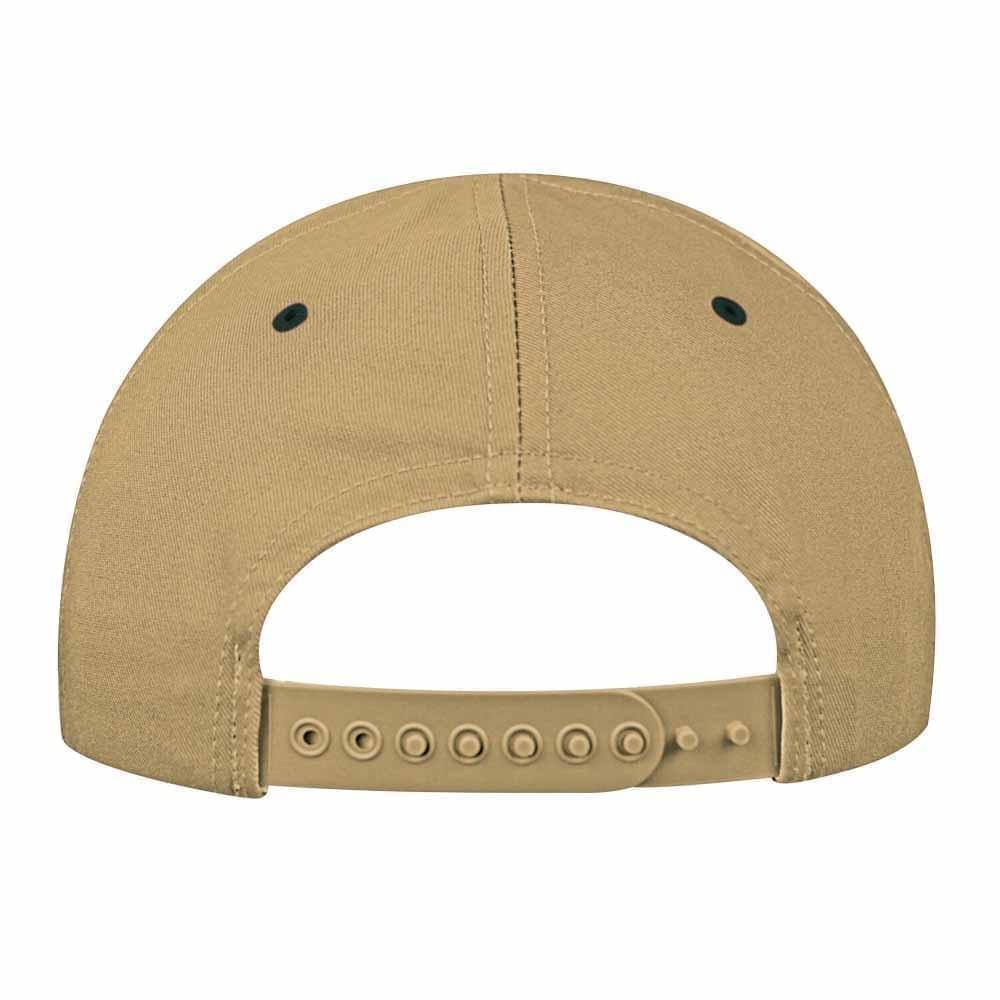 Snapback Hats
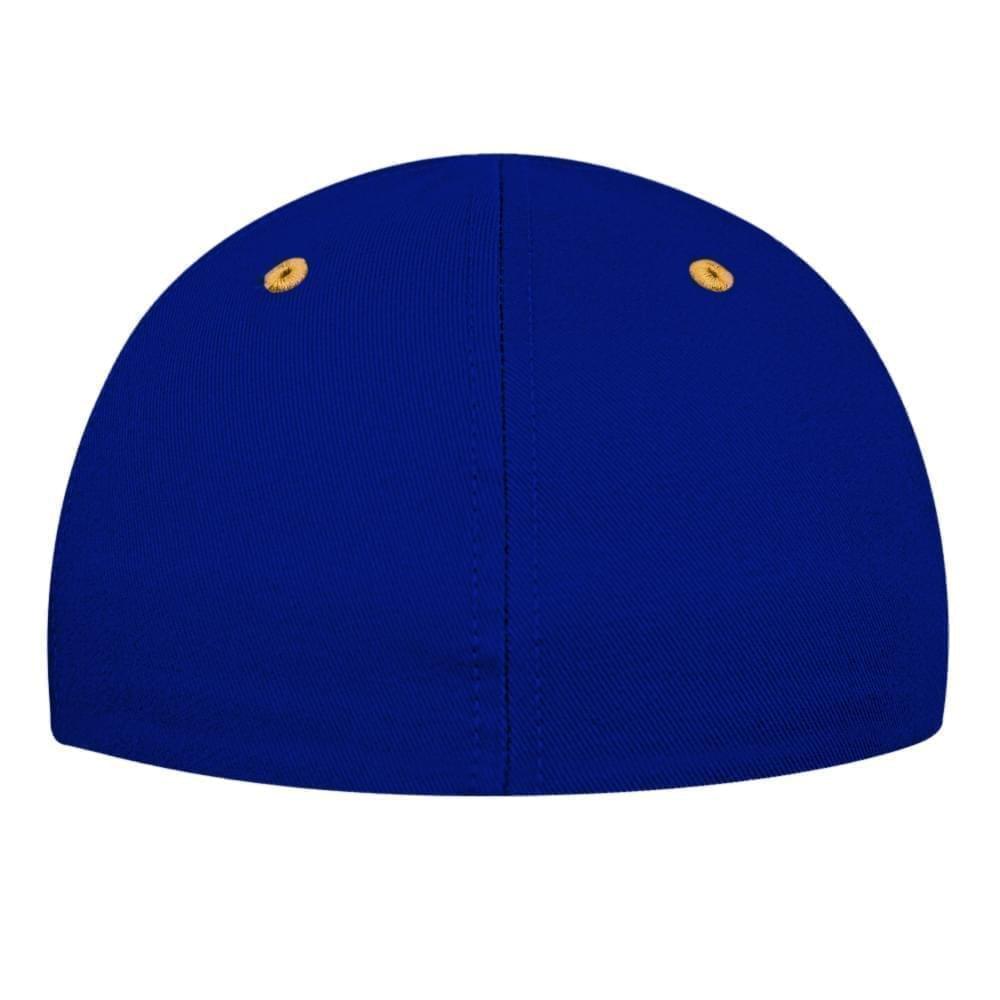 Stretchfit Hats
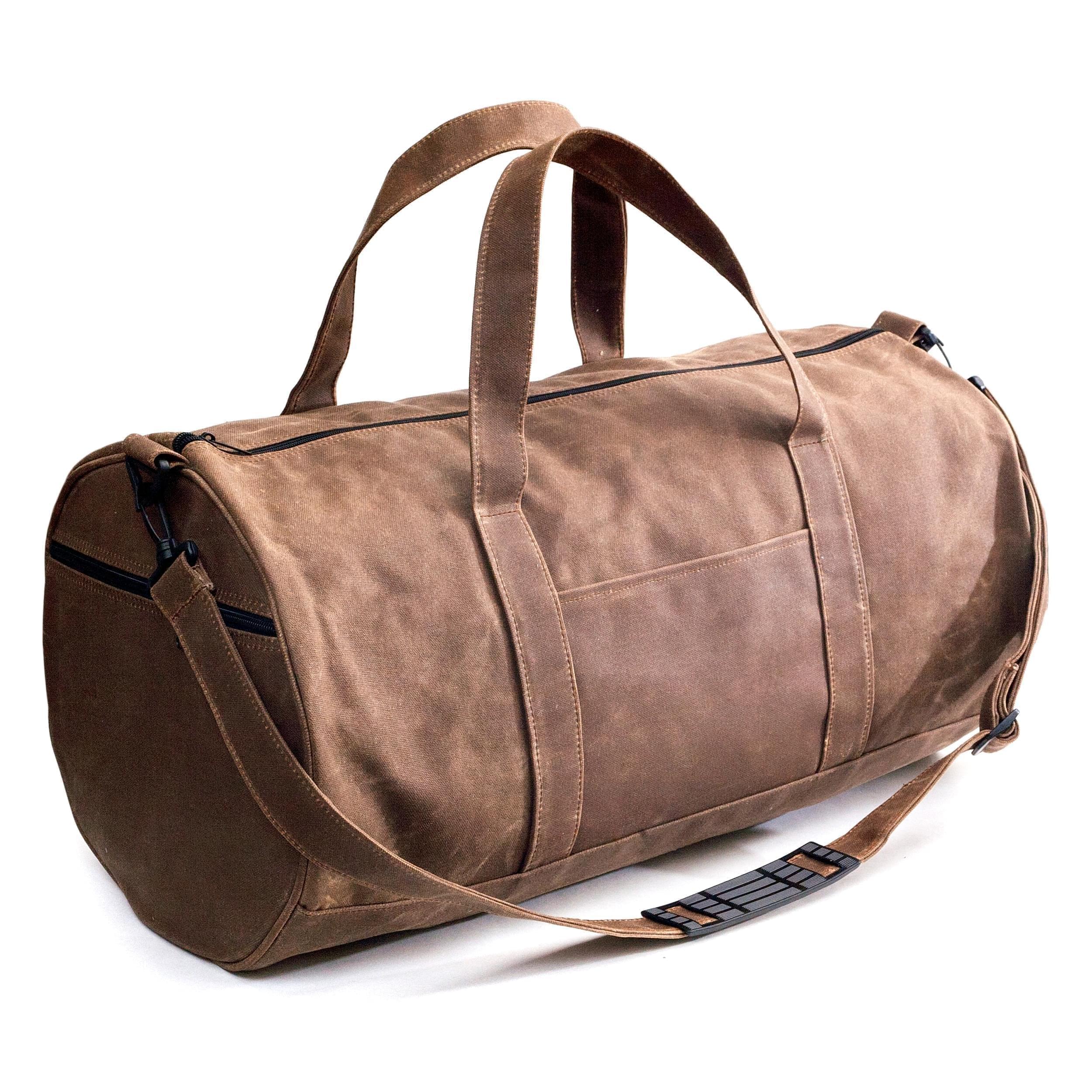 Duffel Bags
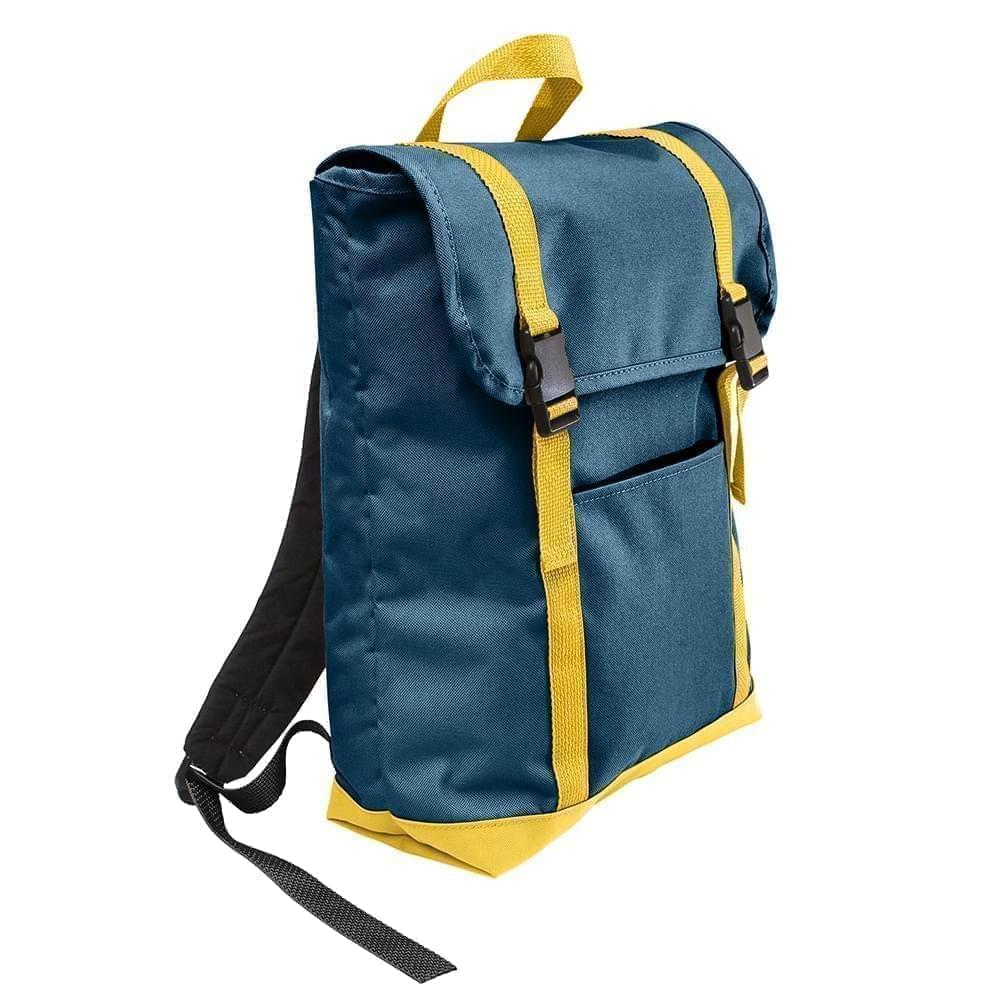 Backpacks
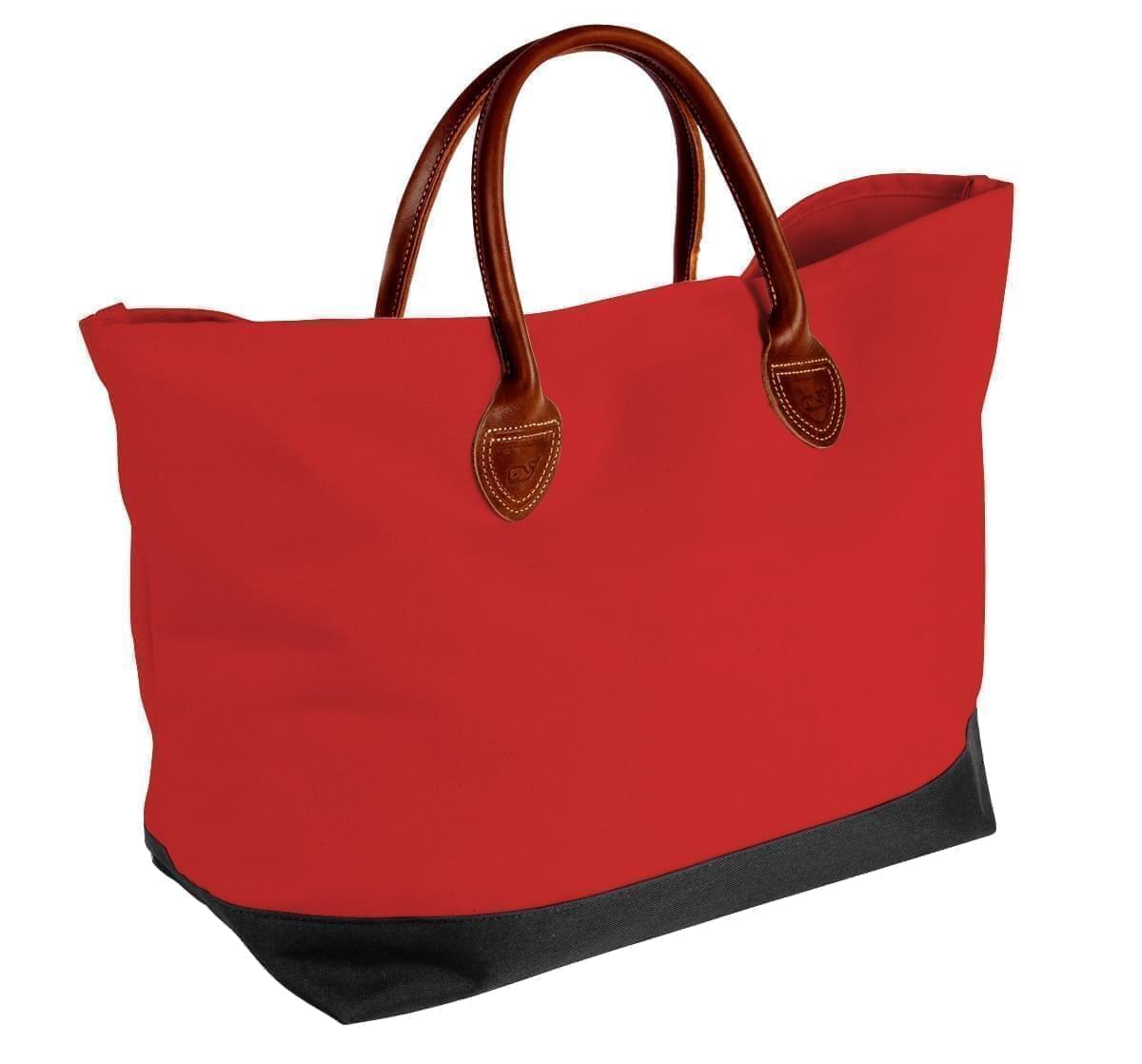 Tote Bags
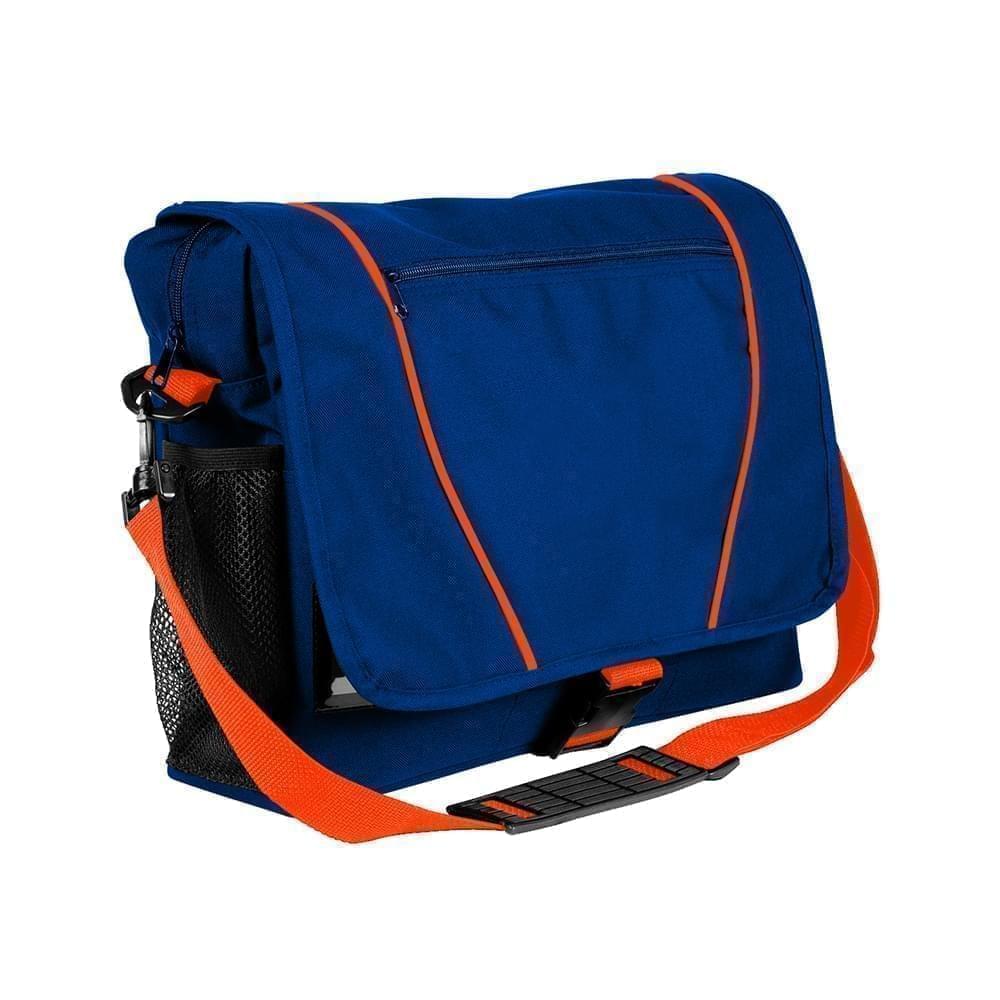 Computer Bags
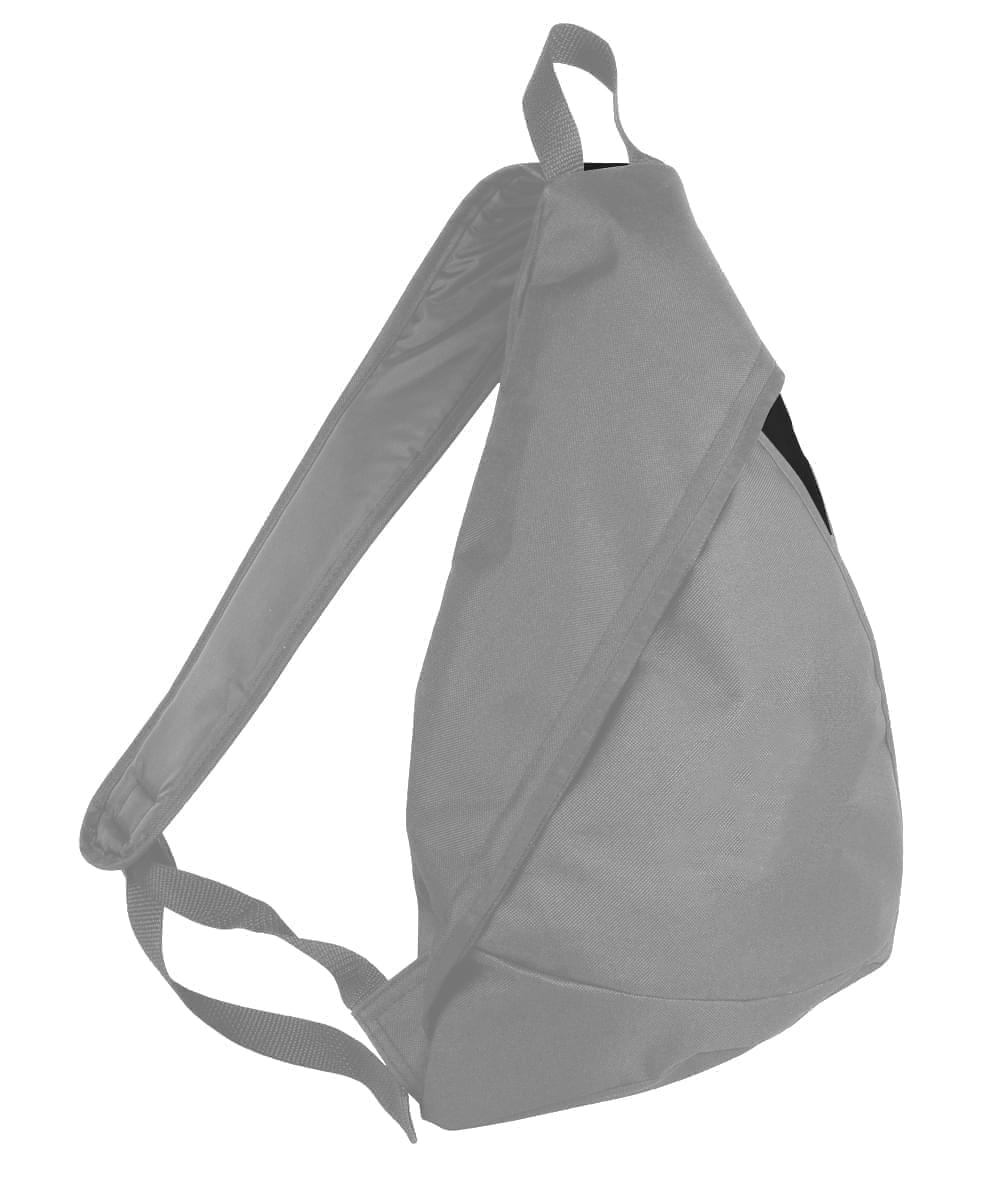 Sling Messenger Bags
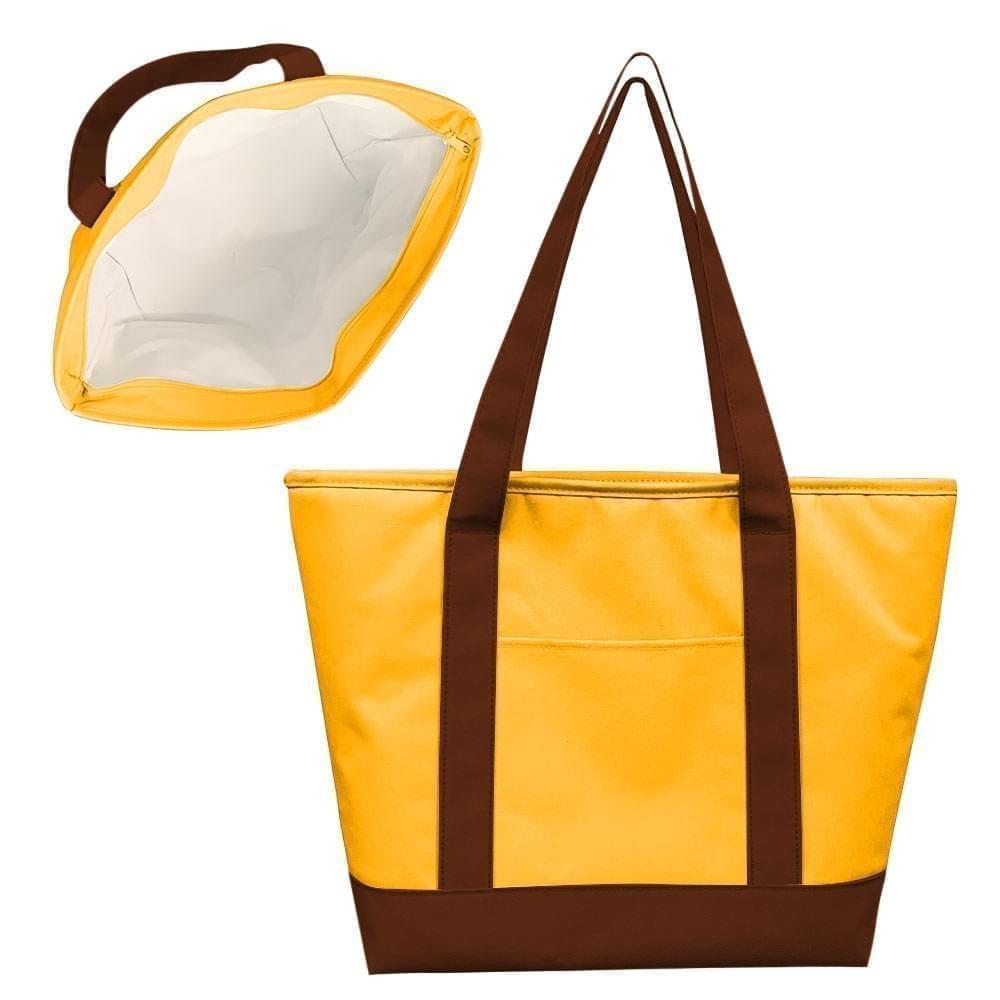 Cooler Bags
 Cuff Hats
 Beanies
 Scarves
 Zipper Folders
 Stitched Folders
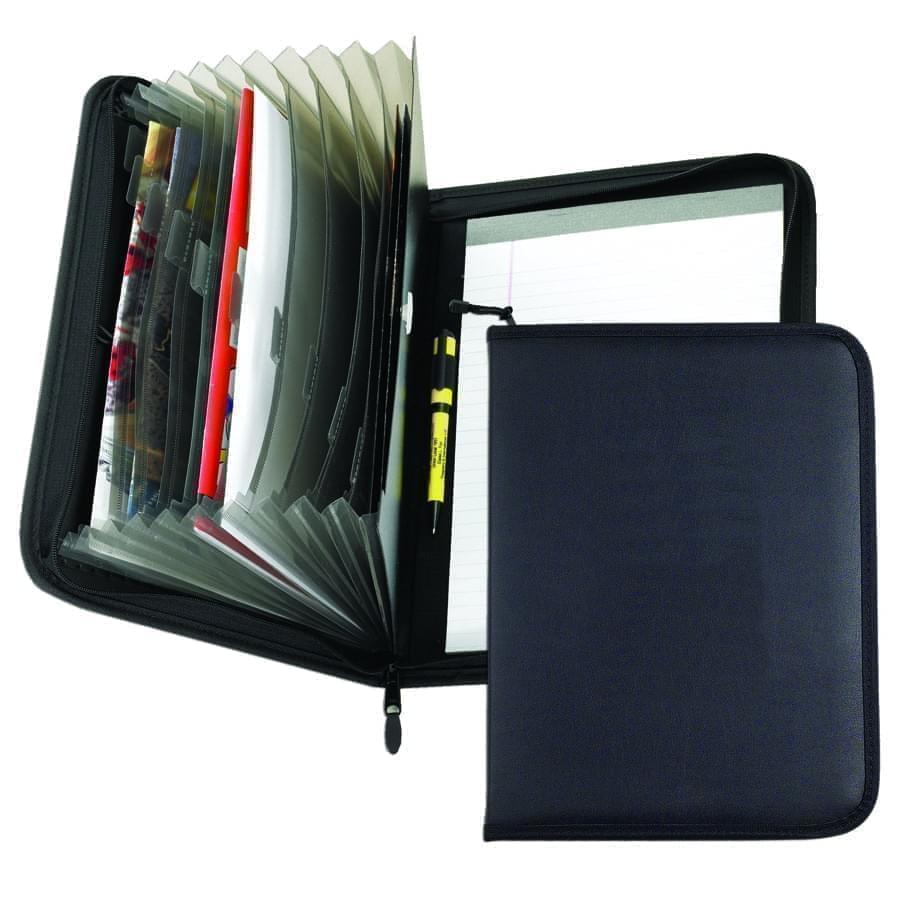 Accordion Folders
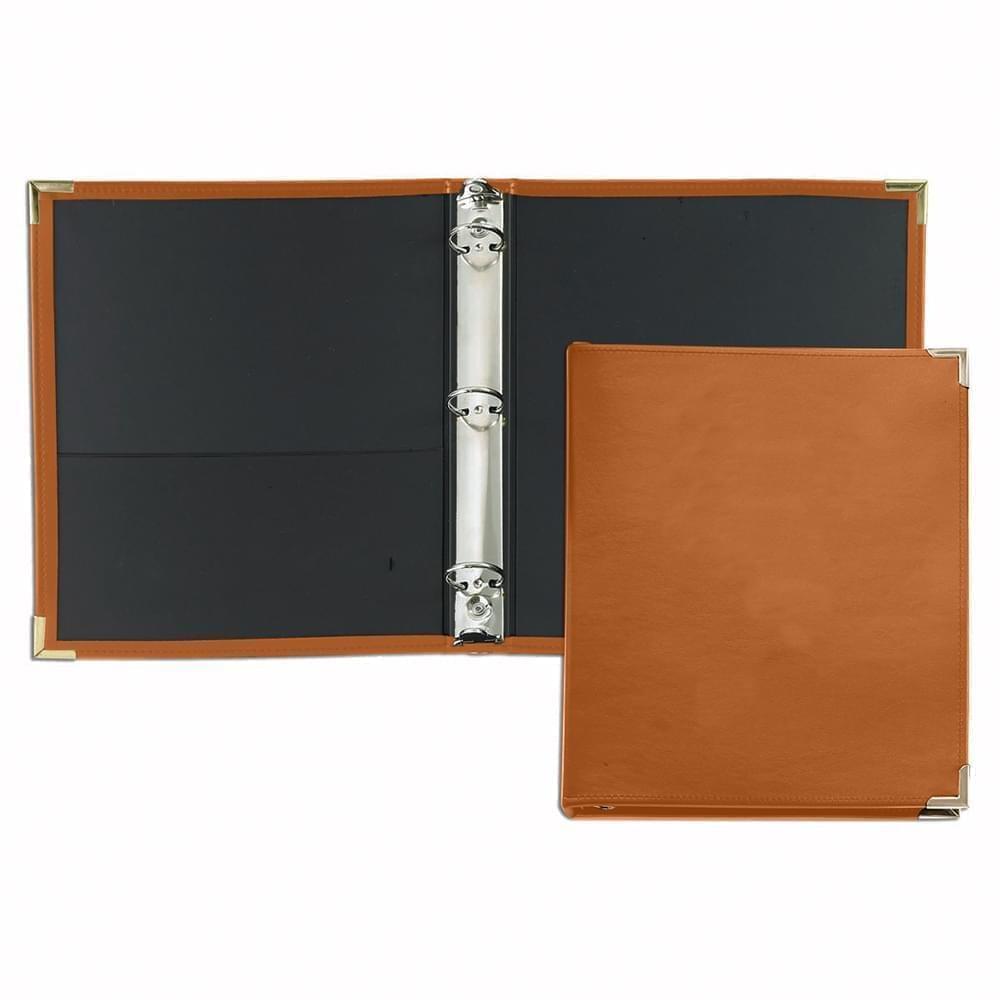 Ring Binders
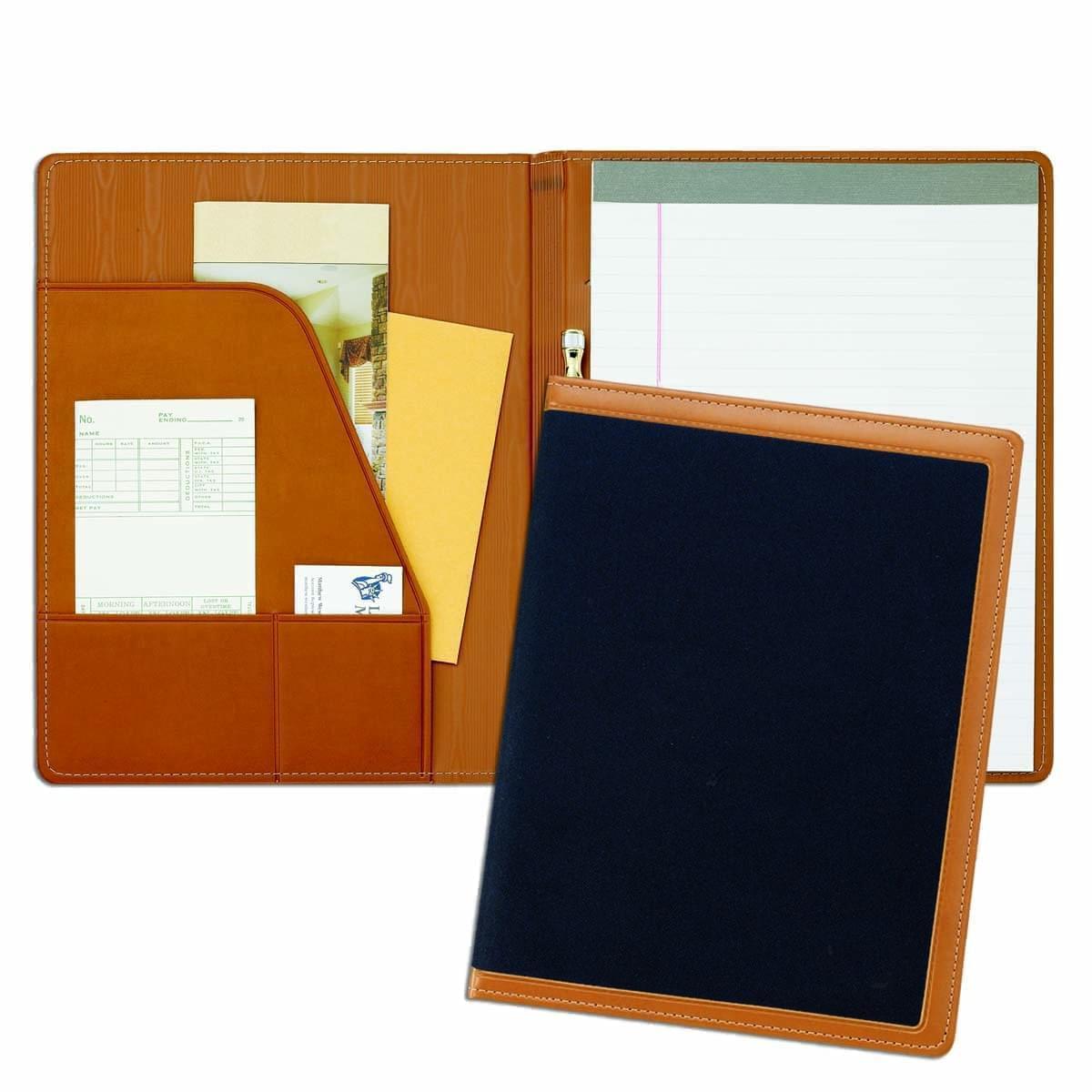 Letter Folders
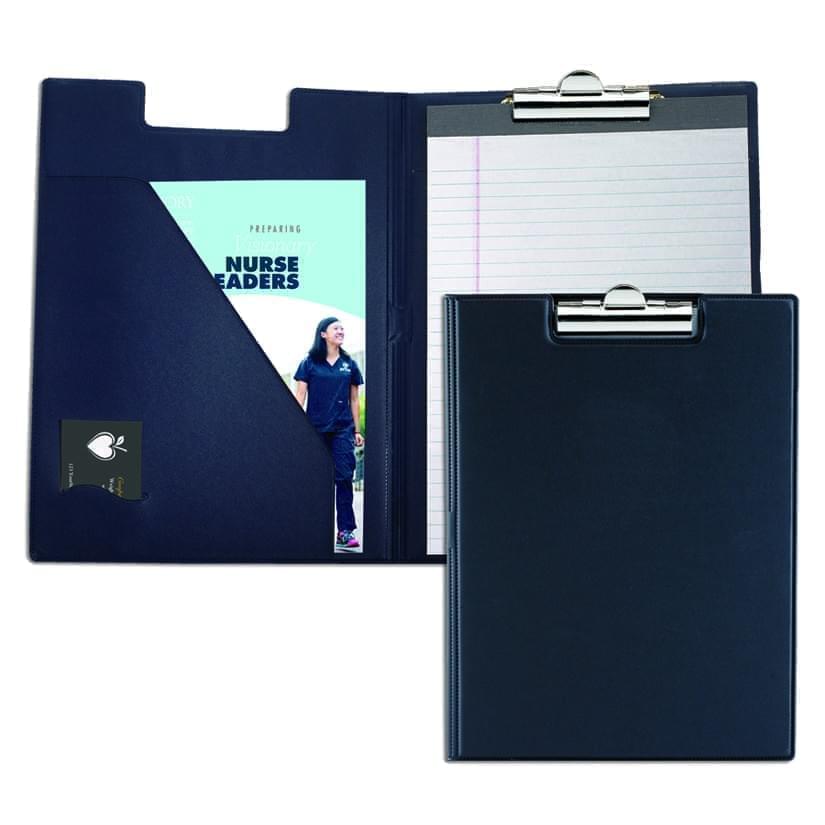 Clipboards

 Union Made In USA
By Mitch Cahn, President, Unionwear
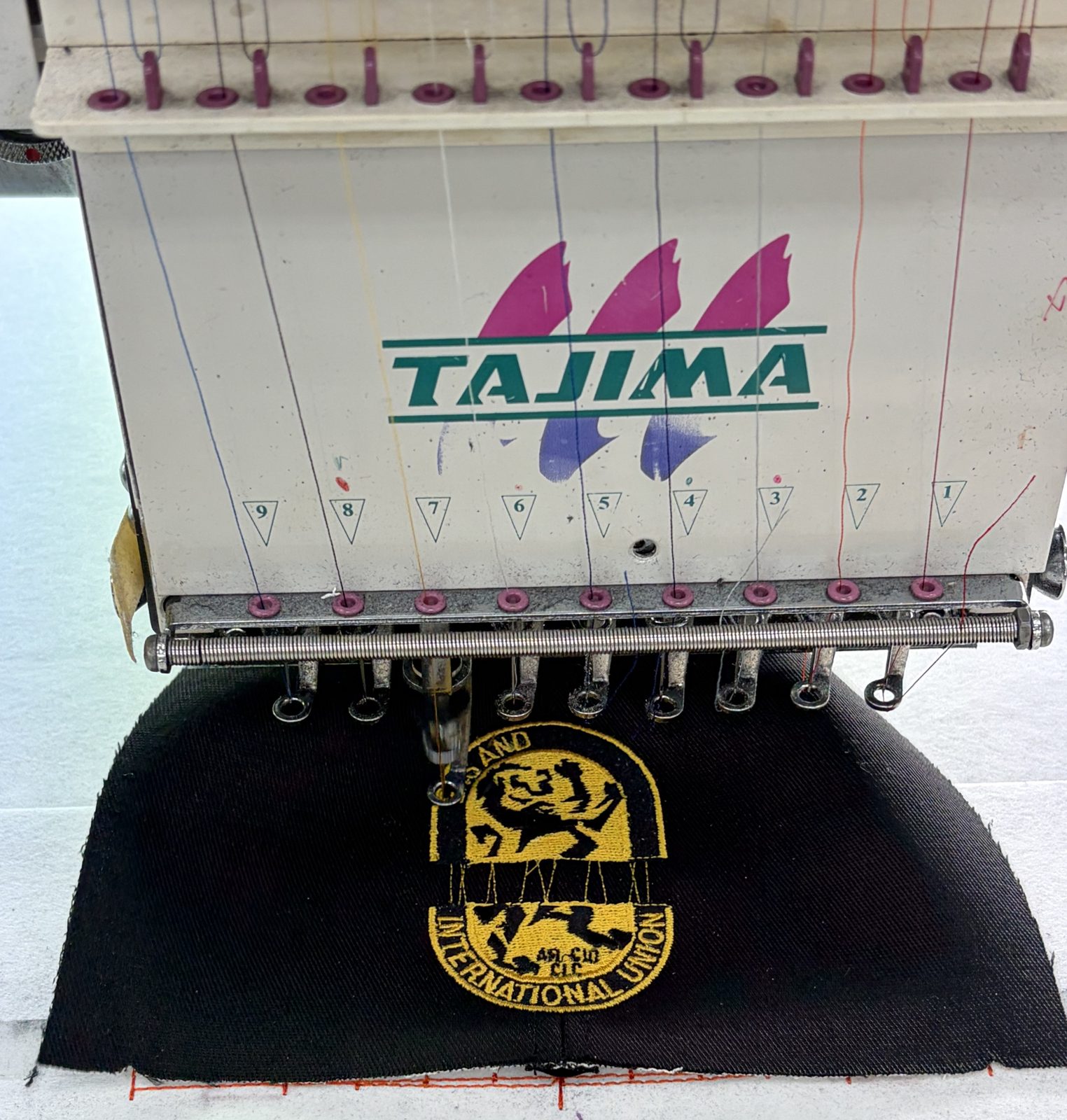
We embroider flat panels before they are sewn into finished caps, bags and folios. It is a little-known option that produces cleaner decoration, reaches areas impossible to decorate on a finished product, and costs about 35% less in labor than embroidering a finished cap. A contract embroiderer working on assembled blanks structurally can’t do any of it.
What is pre-assembly embroidery?
Pre-assembly embroidery means decorating a product’s panels while they are still flat, then building the product: the reverse of the usual order. Instead of embroidering a finished, curved cap, we embroider the flat front panels first and sew the cap afterward. Embroidery can run across a seam. A visor top can be decorated before the visor is assembled. Tote bag panels, pockets and padfolio fronts can be decorated before the product exists. Most buyers have never heard of this. They assume decoration always happens on a finished product. It doesn’t have to, and the alternative is better on quality, flexibility and cost.
Why does typical embroidery sometimes look wrong or misaligned?
Embroidering a finished cap means working on a curved, three-dimensional surface that is hard to land in exactly the right spot. When registration is off, blocks of color misalign and gaps appear. Most of those defects never reach you, because the embroidery shop scraps them, but you pay for them anyway through higher prices and slower delivery. A flat panel registers cleanly and consistently, so there are far fewer failures, far less scrap and a better-looking result.

What can pre-assembly embroidery decorate that a finished product can’t?
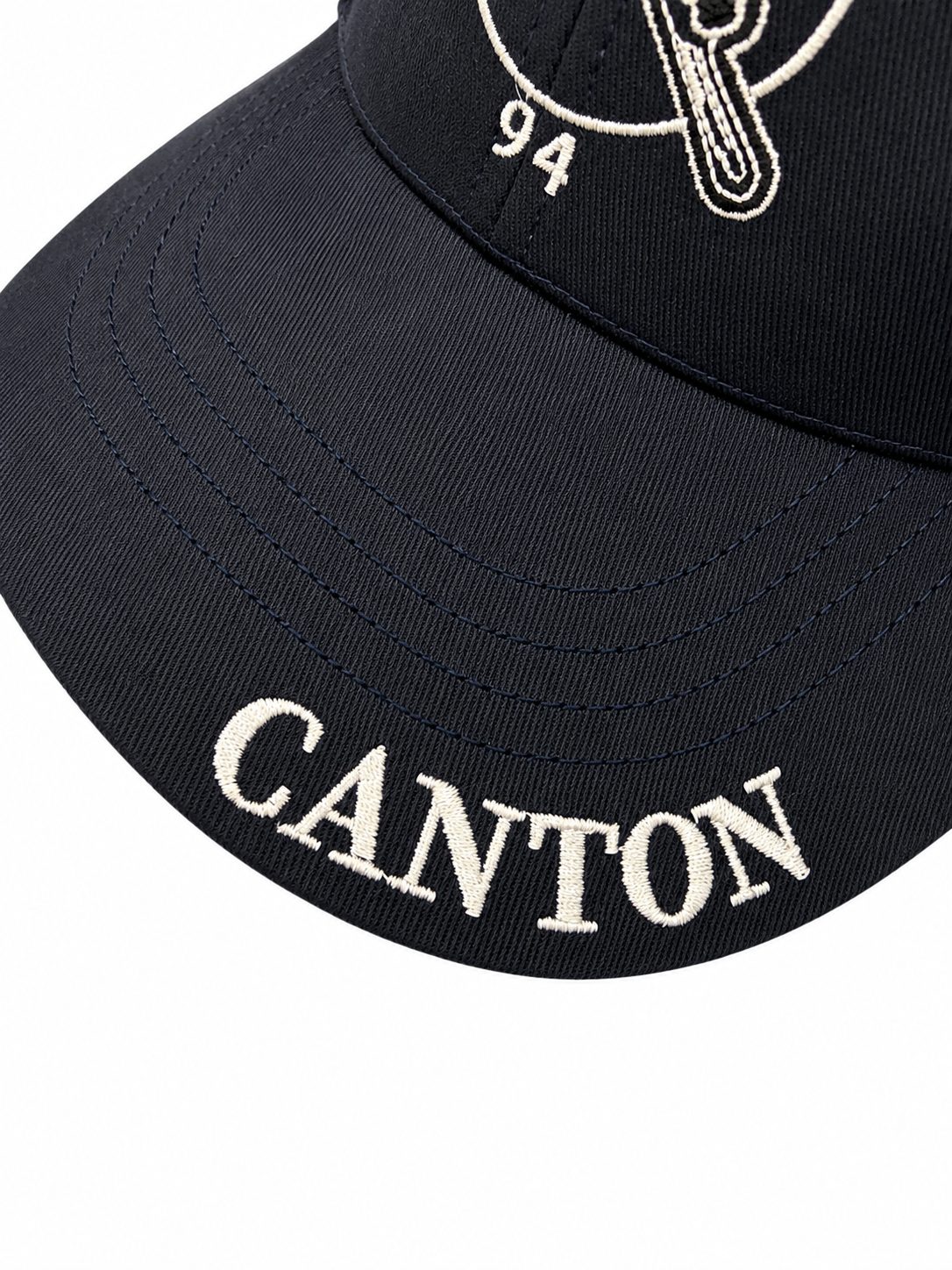
Because the panels are flat and open, we can embroider across seams, over the full area of a panel, inside what will become a pocket, on a folio front or on a visor top. A finished product blocks all of that. Once sewn, it is rigid and three-dimensional; a hoop reaches only certain flat-ish zones, and seams, pockets and interiors are off limits.
Why does pre-assembly decoration cost less?
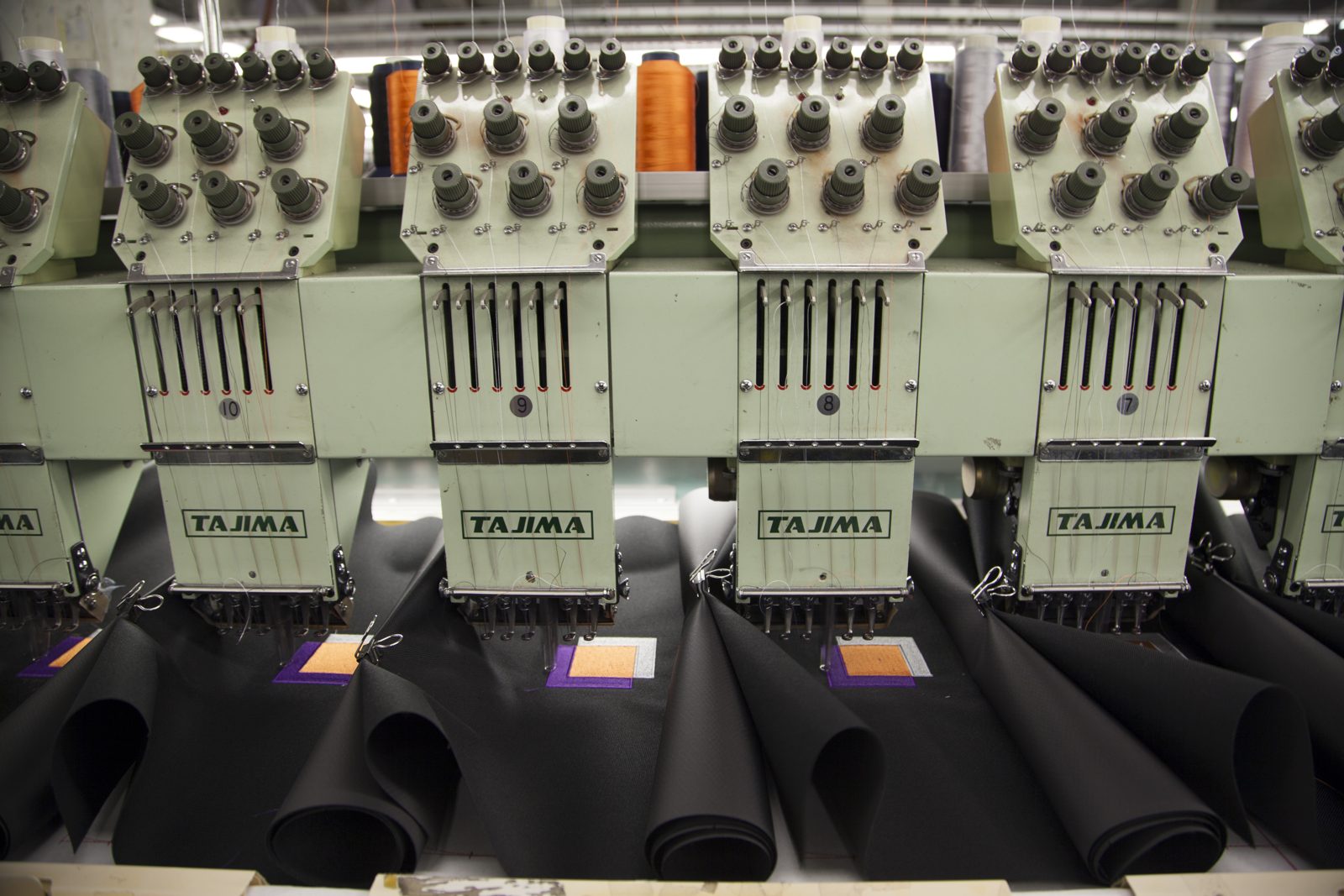
Decorating flat panels costs about 35% less in labor than embroidering a finished cap. We price on labor cost and we do both kinds of work, so we can compare directly. Three reasons:
- Fewer stitches. Curved surfaces need more, smaller stitches to compensate for the curve. A flat panel needs fewer stitches for the same coverage, and embroidery cost is driven by stitch count.
- Faster handling. Flat panels go on and off the machine far faster than finished products, which fight the hoop.
- Cheap failures. If a piece is damaged during embroidery, we have ruined a near-worthless flat scrap of fabric, not a finished cap.
Why can’t a contract embroiderer do this?
A contract embroiderer only ever sees finished blanks, supplied by the customer or bought pre-made. That is the highest-cost, lowest-flexibility, highest-failure position to work from. They never see the panels before assembly, so they can’t embroider flat, can’t cross seams, can’t reach pockets and can’t avoid the registration problems of a curved surface. Because we make the product, we decorate at the best stage: flat, before assembly. It is a structural advantage of being the manufacturer.
Most buyers picture someone clamping a finished hat into a machine and stitching a logo onto a curved surface. That is the hardest, most expensive, most error-prone way to do it. We decorate the panels before the hat exists, and when something goes wrong we have lost a scrap of fabric, not a cap.
| Factor | Post-assembly (finished cap or bag) | Pre-assembly (flat panel) |
|---|---|---|
| Surface | Curved, 3D, hard to register | Flat, registers cleanly |
| Stitch count for the same result | Higher: more, smaller stitches | Lower |
| Machine handling | Slow; the product fights the hoop | Fast; panels load and unload quickly |
| Reachable areas | Limited; no seams, pockets or interiors | Across seams, full panels, pockets, folio fronts |
| Cost of a damaged piece | A ruined finished product | A cheap fabric scrap |
| Common defect | Misaligned color blocks with gaps | Clean registration |
| Labor cost (cap front panels) | Baseline | About 35% less |
| Who can do it | Any contract embroiderer | Only a vertically integrated manufacturer |
What does this mean when you’re sourcing decorated products?
If you assume your only choice is embroidering a finished cap or bag, you are choosing the most expensive, least flexible method by default. Ask your supplier whether they can decorate before assembly. Then bring us the design and see what’s possible on union made hats, bags and padfolios: request a quote.
Published November 2026. Refreshed quarterly; changes are noted here.


