
 Dad Caps
 Five Panel Hats
 Mesh Back Hats
 In Stock Blanks
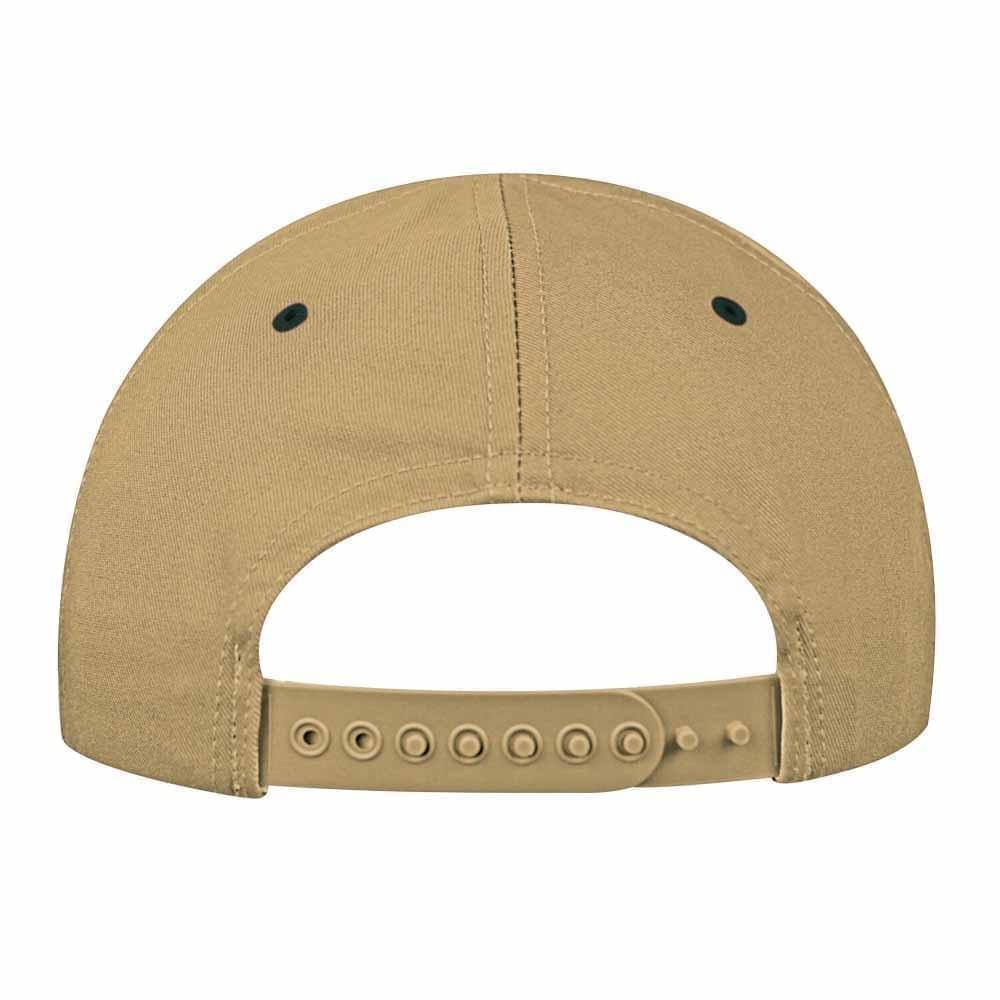 Snapback Hats
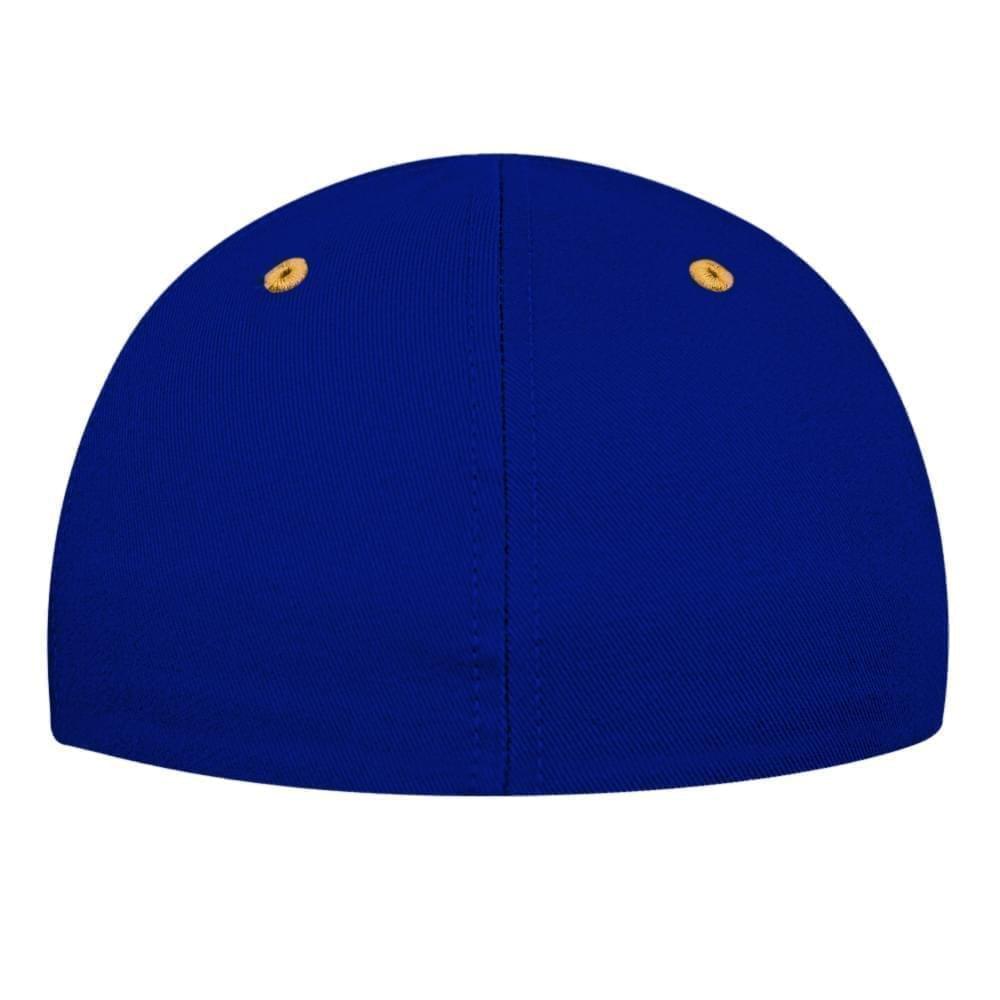 Stretchfit Hats
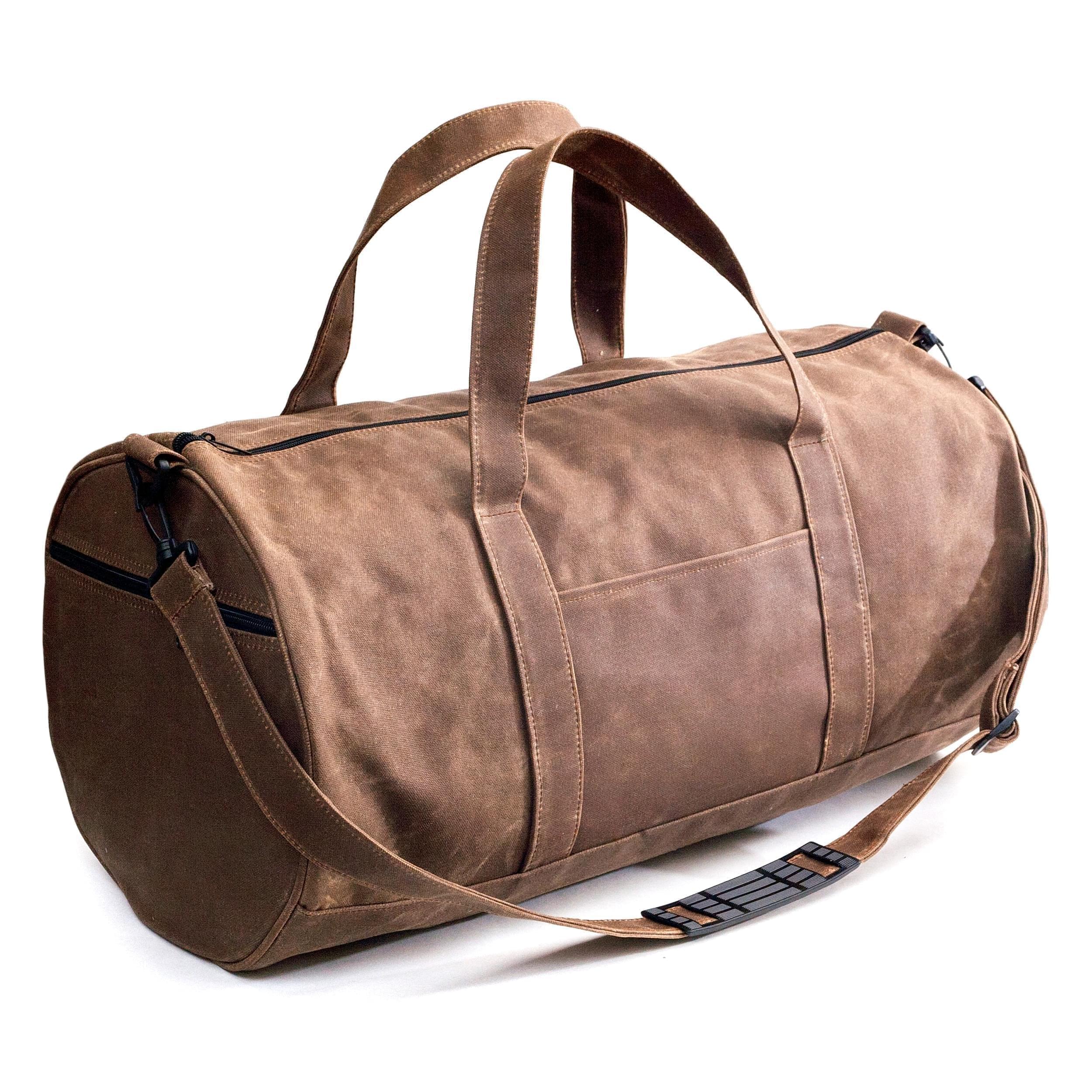 Duffel Bags
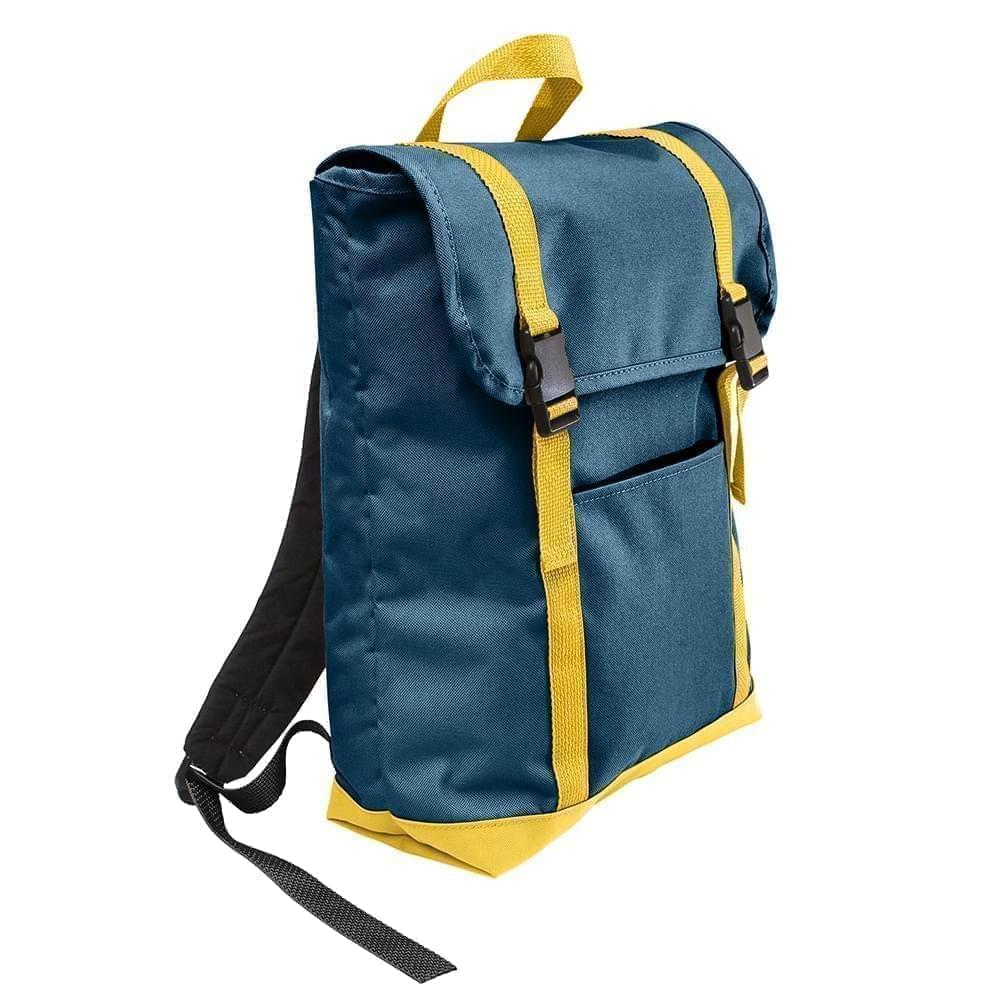 Backpacks
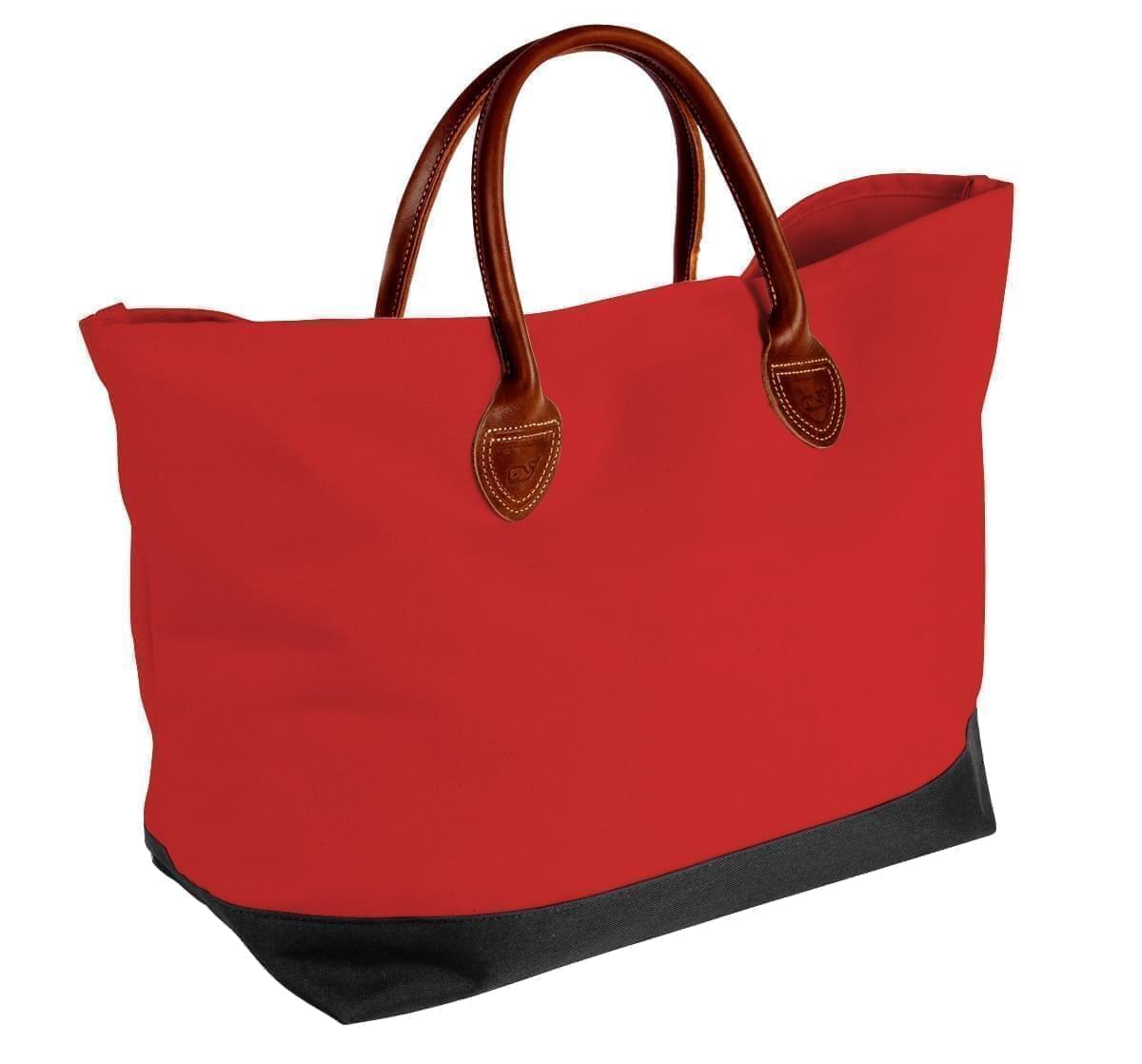 Tote Bags
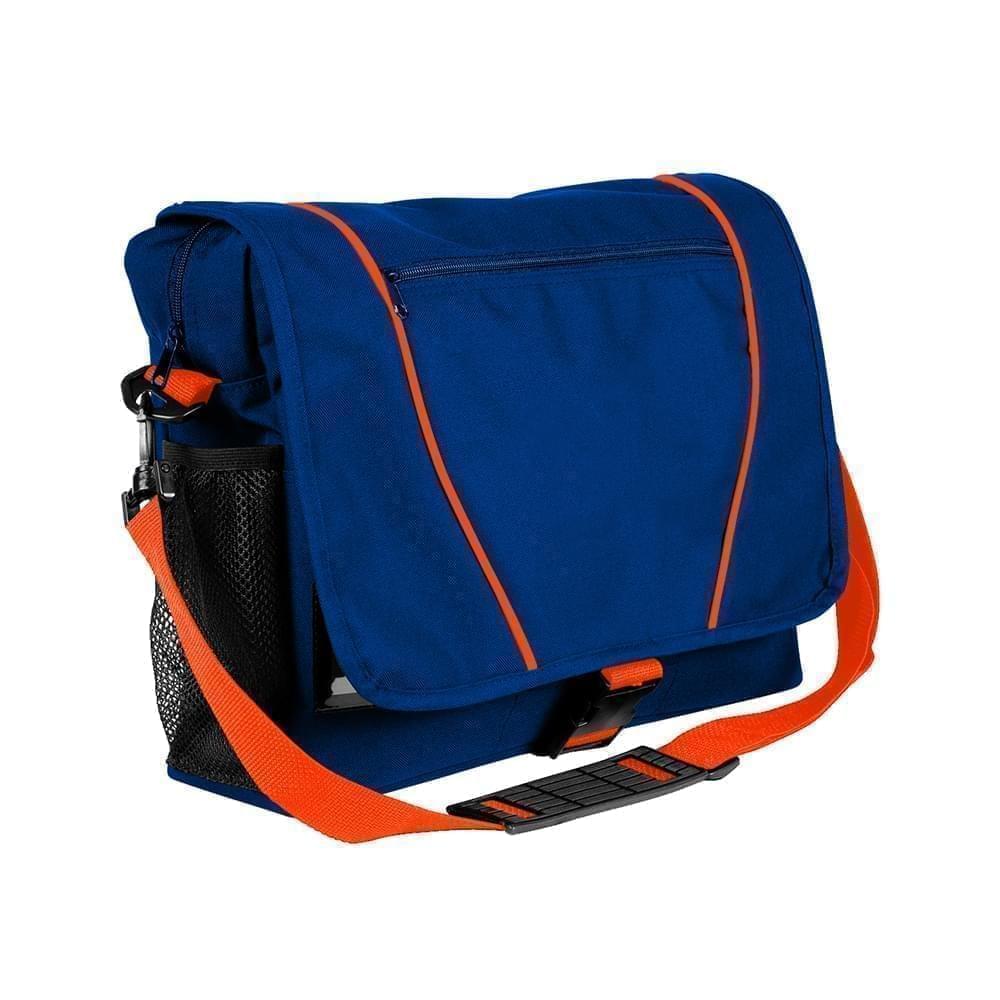 Computer Bags
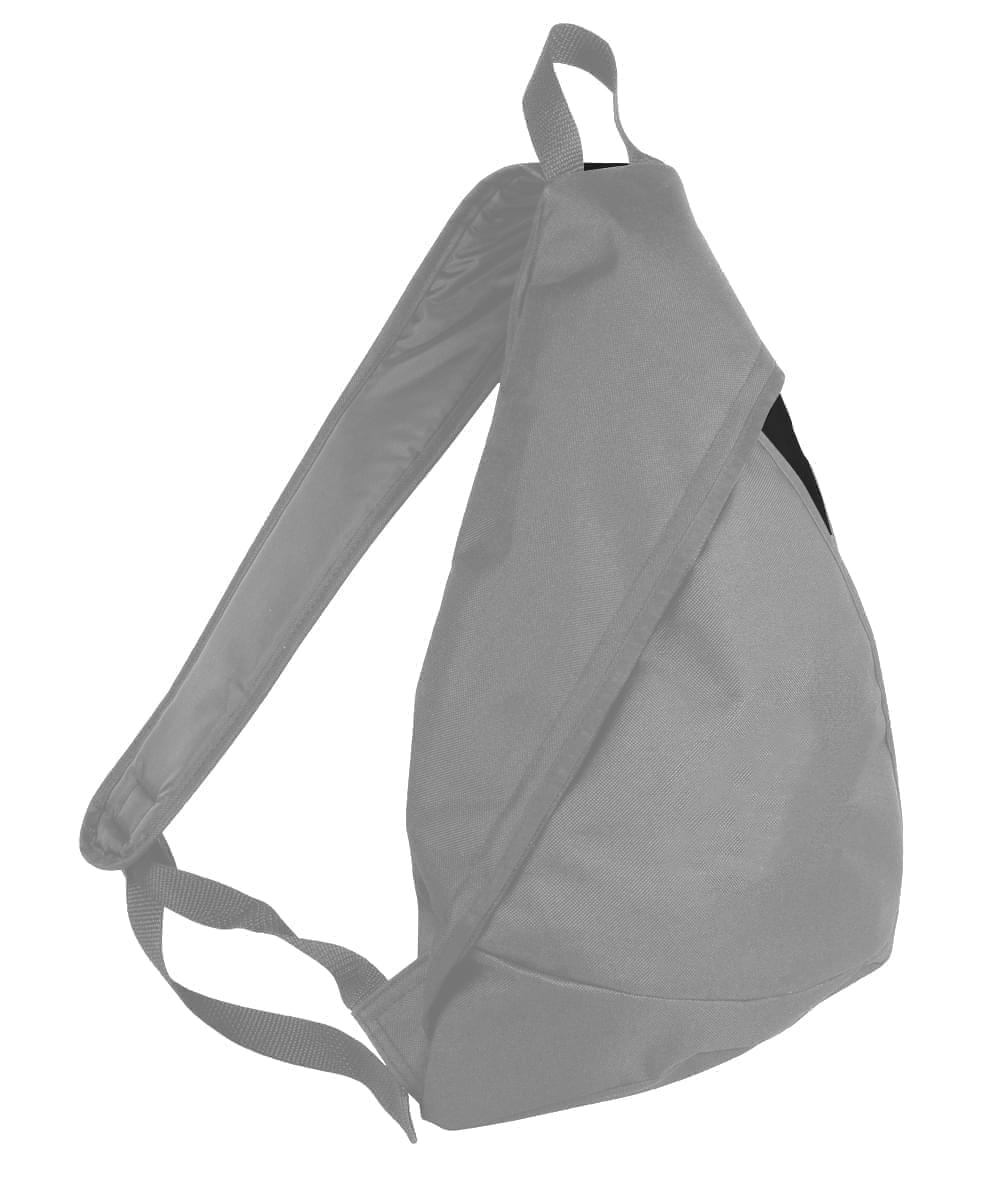 Sling Messenger Bags
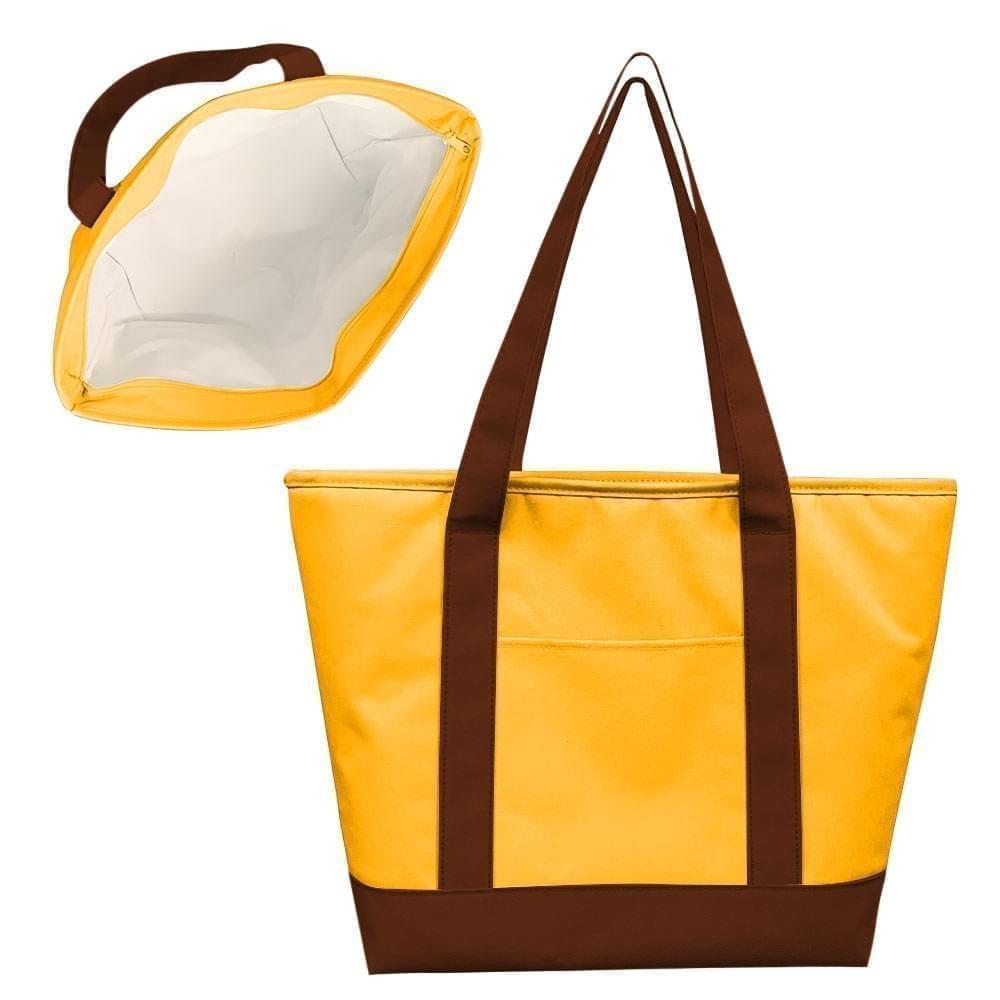 Cooler Bags
 Cuff Hats
 Beanies
 Scarves
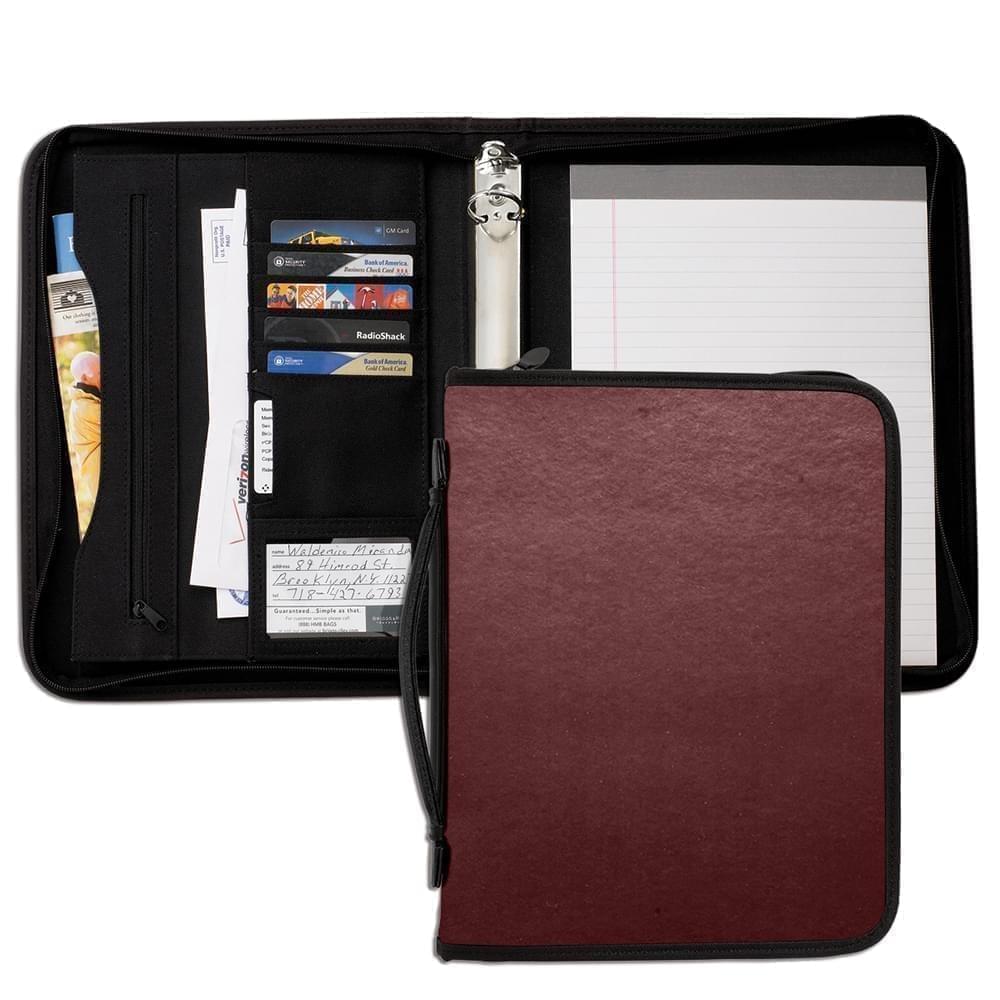 Zipper Folders
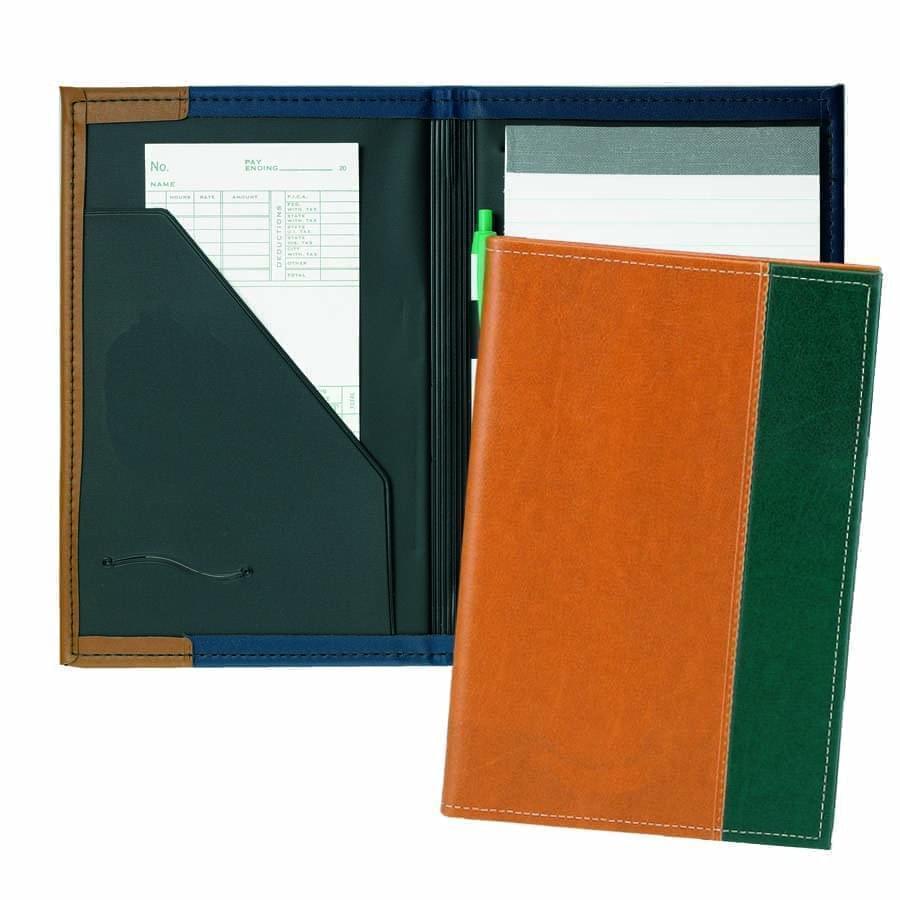 Stitched Folders
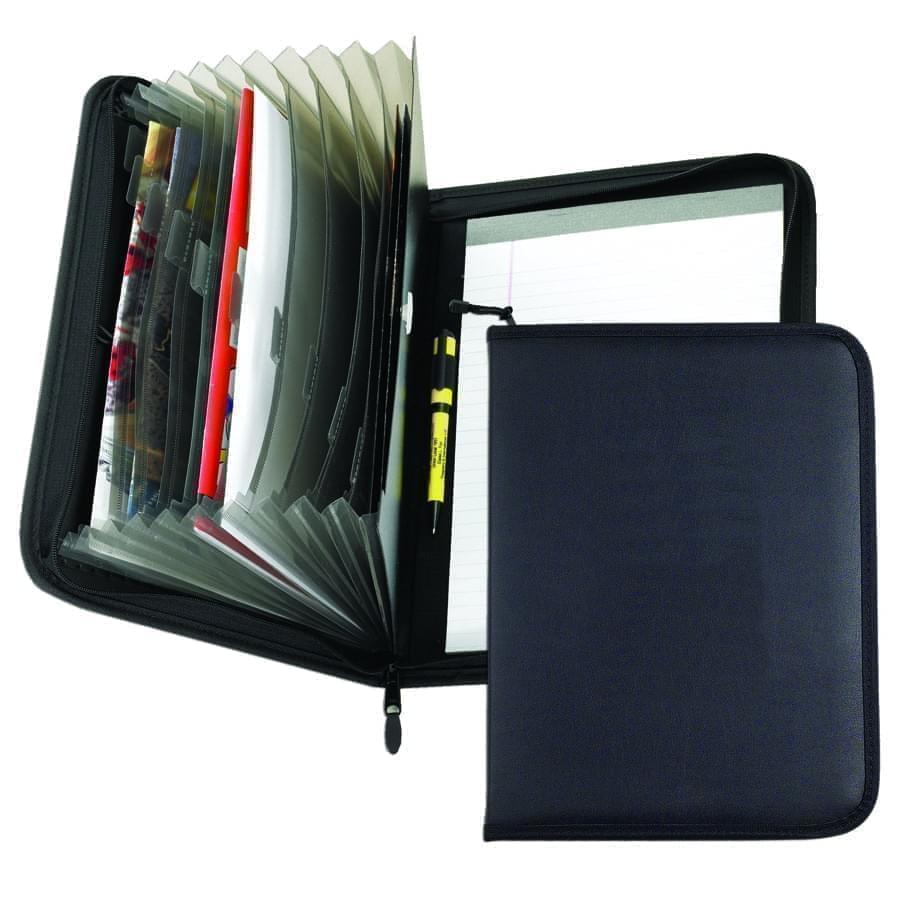 Accordion Folders
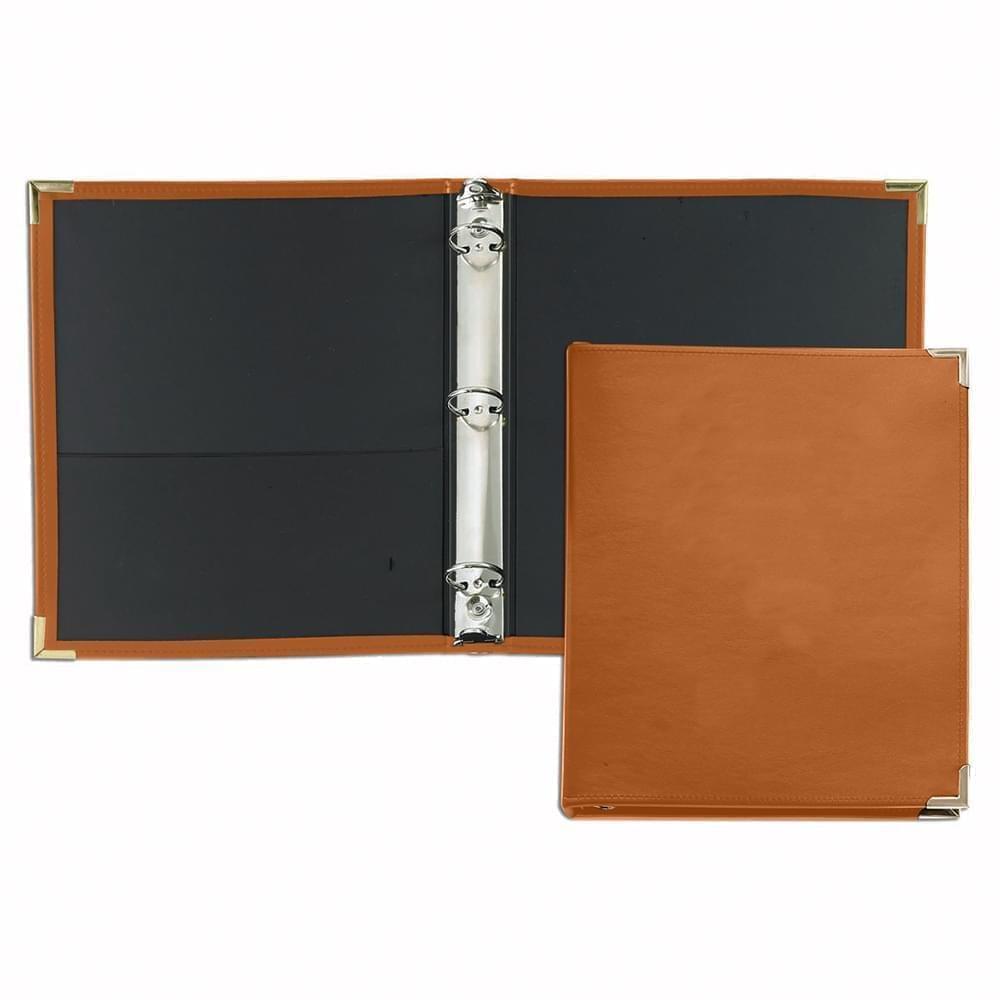 Ring Binders
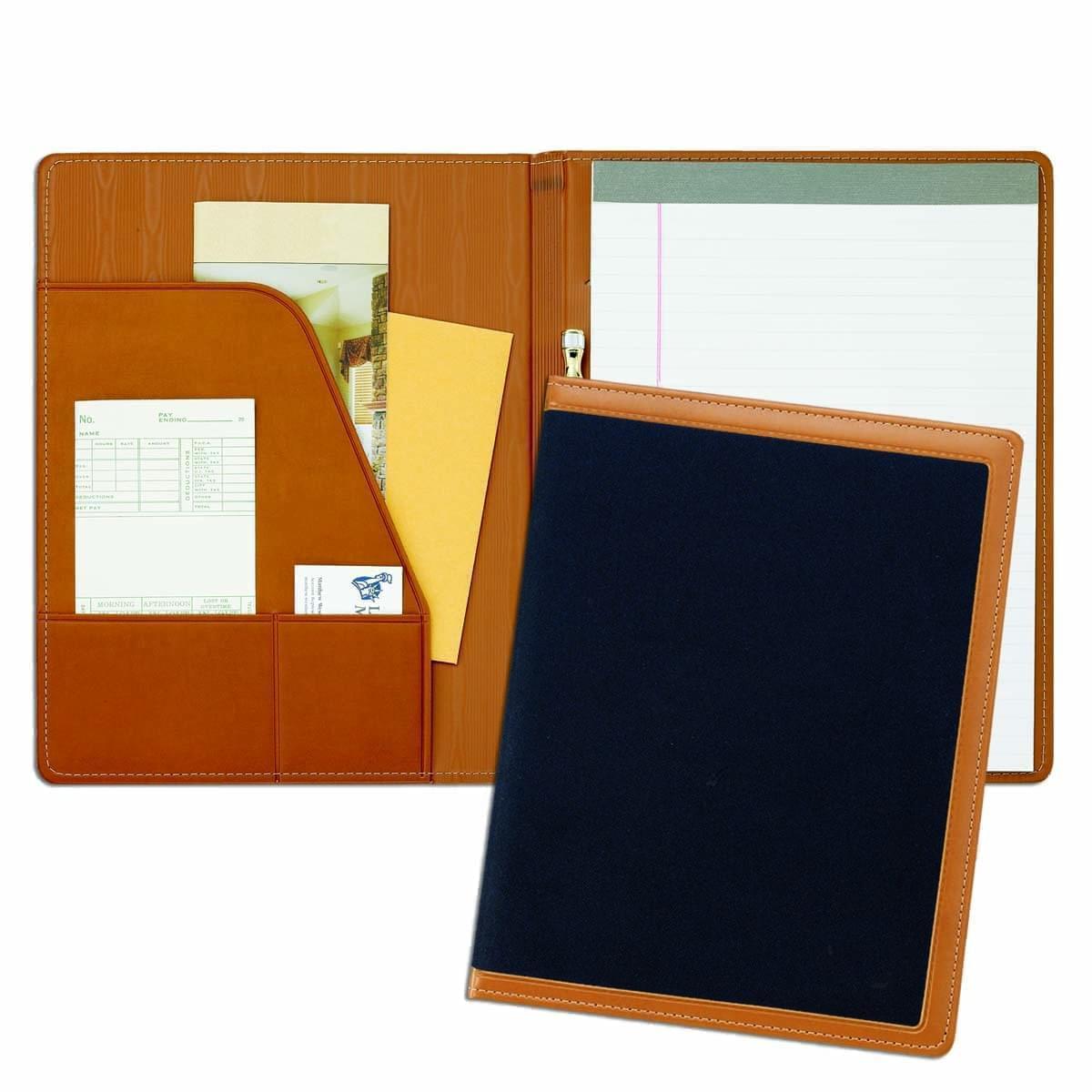 Letter Folders
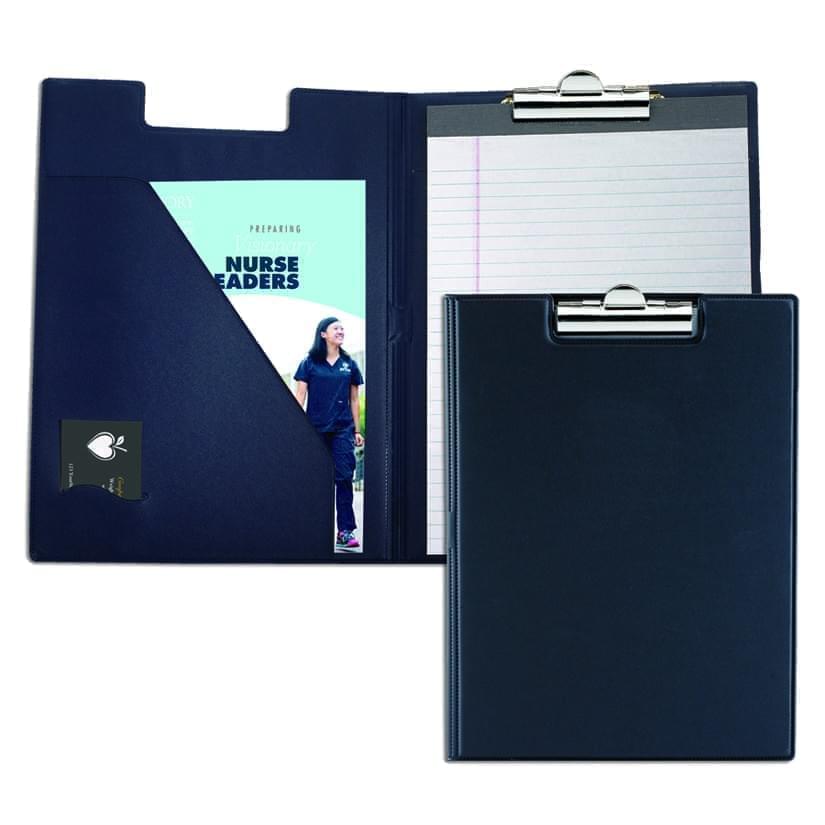 Clipboards

 Union Made In USA
By Mitch Cahn, President, Unionwear
American tote bag manufacturers have carried a cost disadvantage for decades, and it held the whole domestic sector back against imports. We made two changes to our process that shift that: we automated the assembly of the blank bag, and we print and cut bags from long continuous rolls instead of one piece at a time.
Those two changes let us build a line with the capacity for up to 3,500 bags a day with two skilled operators, up from seven operators making about 1,100 bags a day. Automating the blank delivers big labor savings on its own, and the savings compound once you stop handling bags one at a time.
Why is it so expensive to make custom tote bags in the USA?
Hand labor. Experienced operators assemble each blank one at a time, and skilled decorators print each finished bag one at a time. Both steps are slow, the skilled labor costs more here, and making bags piece by piece means that cost scales with every unit.
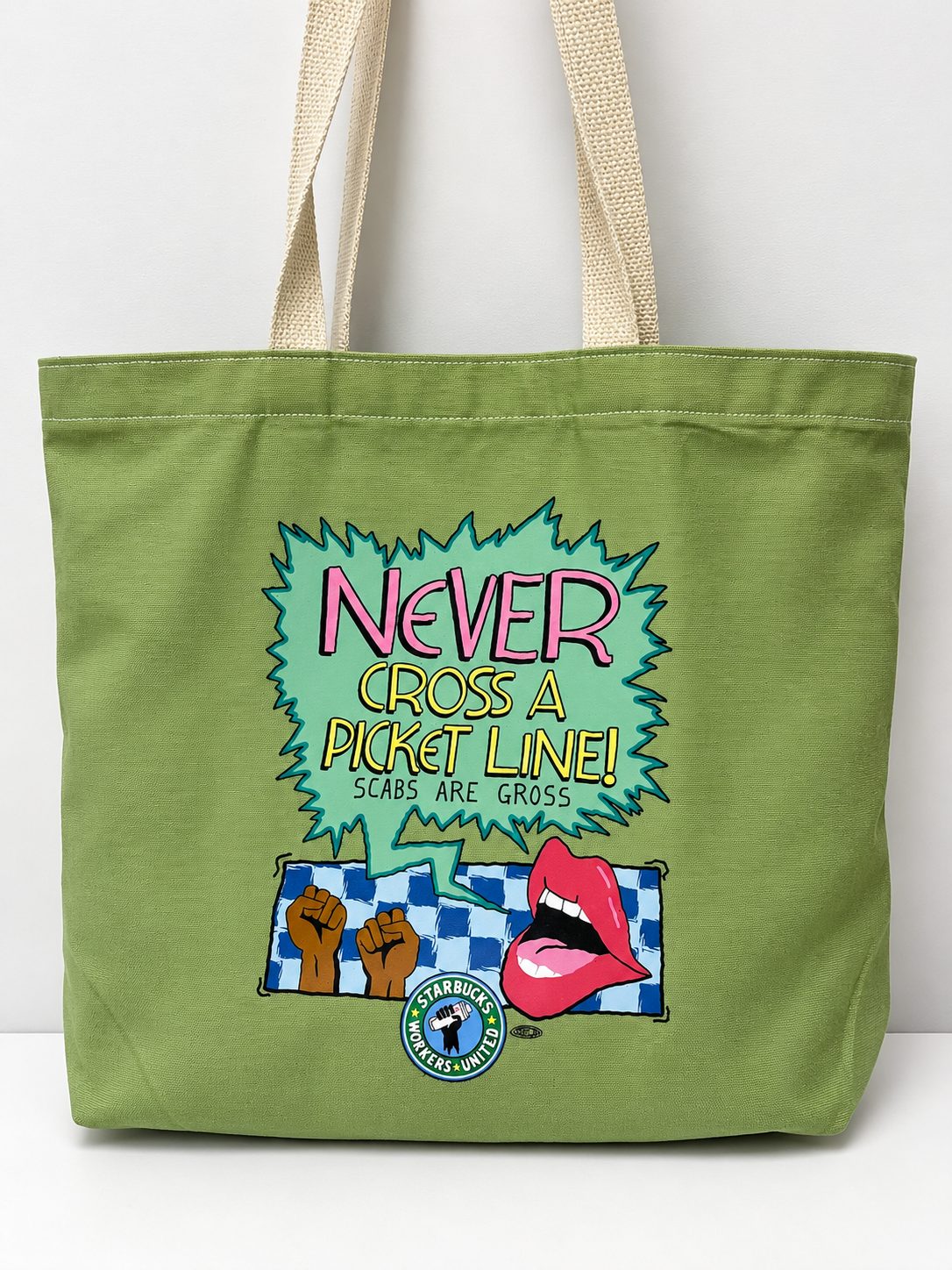
How much can automation cut the labor in tote bag assembly?
Automating blank-bag assembly took us from seven operators producing about 1,100 bags a day to two operators on a line with capacity for up to 3,500. The machinery handles the feeding, positioning and sewing that used to be done by hand, so operators supervise several steps instead of performing each one. That is roughly eleven times the output per operator. It is the single largest source of savings, but not the only one.
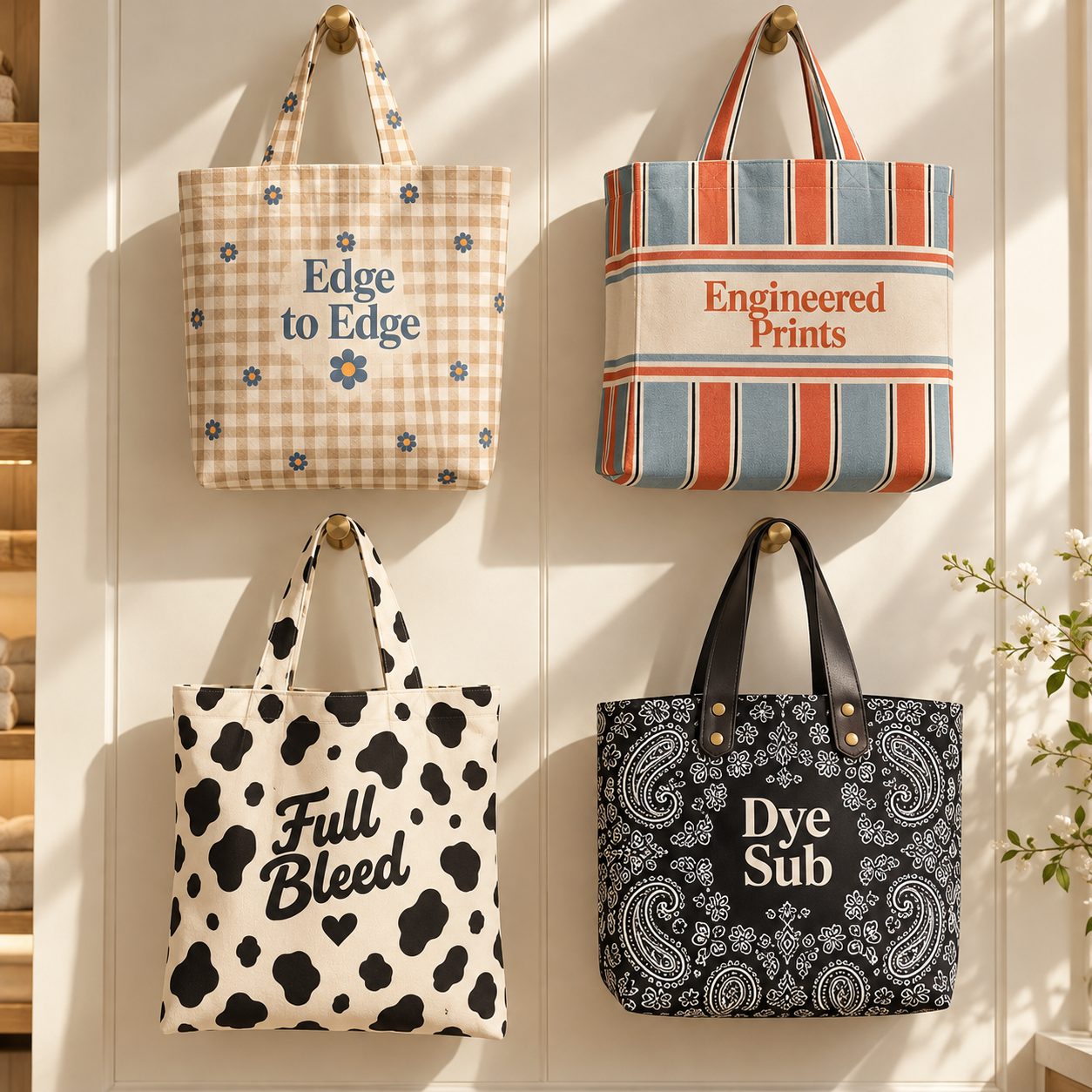
What makes printing on a roll cheaper than printing finished bags?
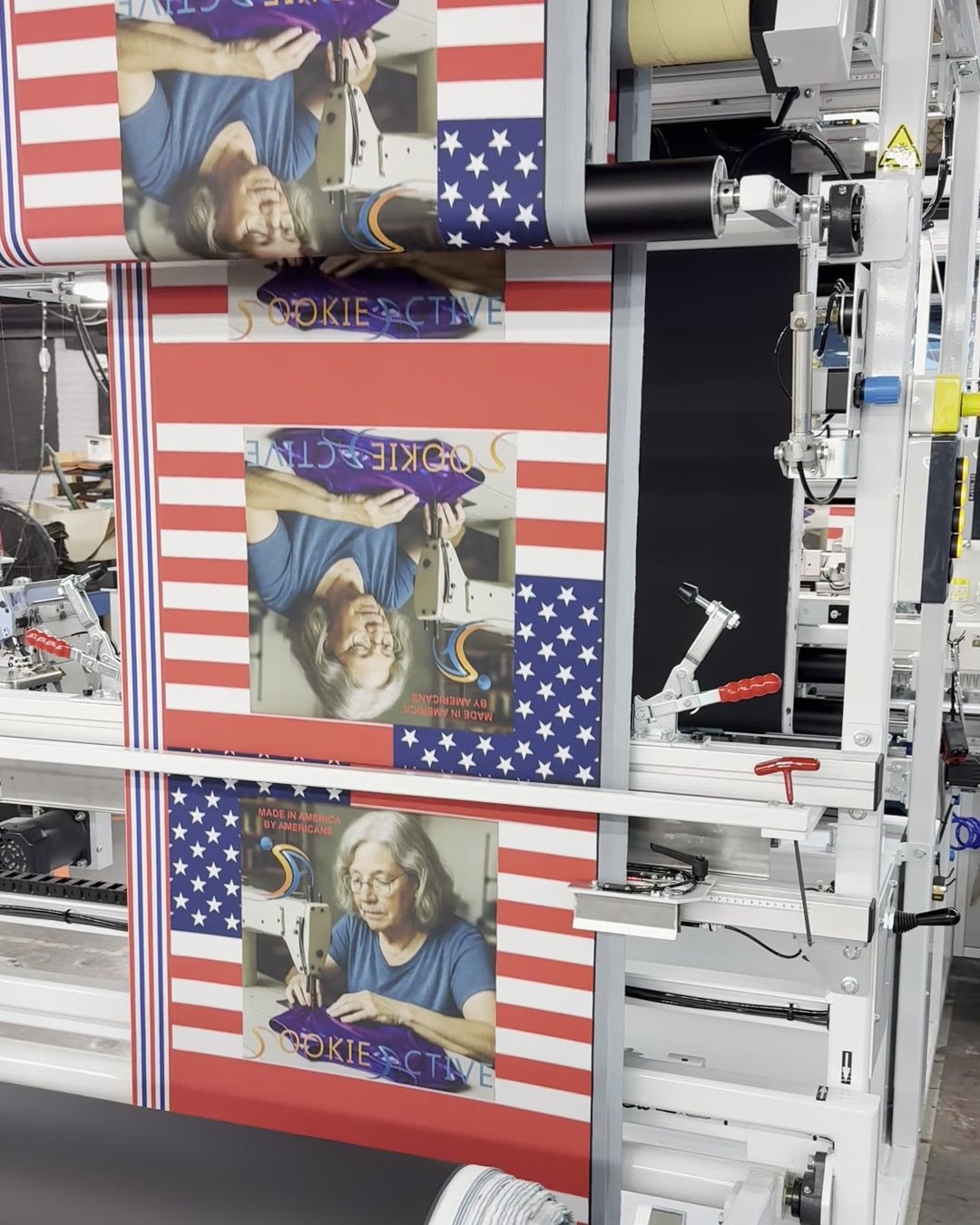
Even with automated assembly, decorating finished bags one at a time is slow. The bigger savings came when we began printing on a continuous roll of fabric: lay out multiple bag panels across and down the roll, decorate them in one pass, then cut them apart. For full-bleed designs that run edge to edge with no unprinted border, we dye-sublimate polyester twill that looks and feels like cotton canvas. That cuts printing cost by roughly 75%.
Full bleed was always the hardest thing to do domestically, because printing a finished bag edge to edge and getting it to land right meant slow, careful handwork on every unit. Once we could print the design across a roll and let an electric eye cut each bag at exactly the right spot, the registration problem and most of the labor disappeared. That is the difference between a tote that only makes sense at 5,000 units and one we can do for a few hundred.
How do you cut printed bags out of a roll and keep the design registered?
Picture a roll of fabric wide enough for several columns of bags. We print full bag panels across and down the roll, slit it lengthwise into ribbons one bag wide, then cut each bag at a registration point using an electric-eye mark. The eye mark automates alignment, so the design lands in the same place on every bag. Before, cutting blanks and positioning prints were both done by hand.
Can you get unlimited colors and custom sizes on a cotton tote?
Yes, by a different process. Polyester twill is dye-sublimated; cotton twill is digitally printed. Starting from a dyed cotton base fabric, we print designs in unlimited colors at any size. That was effectively impossible before roll-fed slitting and cutting. Digital printing costs more per yard than sublimation, but the labor savings still apply.
Do these processes make American-made totes competitive with imports?
Yes. Automated assembly, roll printing and automated cutting take labor out of every stage. Full-bleed totes made in Newark now compete with imports on mid-sized orders in the hundreds to low thousands, where domestic production used to make sense only at very high volume. And because the bags are made here, there is no ocean crossing, no customs and no air-freight surcharge when the deadline is tight.
| The old way: manual, piece by piece | The new way: automated, roll-fed | |
|---|---|---|
| Operators needed | 7 | 2 |
| Daily output | About 1,100 bags | Capacity up to 3,500 bags |
| Fabric cutting | Hand-cut, piece by piece | Automated slit-and-cut by electric-eye mark |
| Print registration | Positioned by hand on each bag | Automated by electric-eye mark |
| Viable order size | Very high volumes only | Hundreds to low thousands |
| Full-bleed printing cost | Baseline | About 75% lower |
What does this mean if you’re sourcing custom totes?
For an order in the hundreds to low thousands with a full-bleed or richly colored design, domestic production is no longer the expensive option. It is often the most cost-effective and flexible one, and the same automation opened up unlimited colors, dyed backgrounds and true edge-to-edge printing. Browse our tote bags or request a quote on your design.
Published October 2026. Refreshed quarterly; changes are noted here.


