
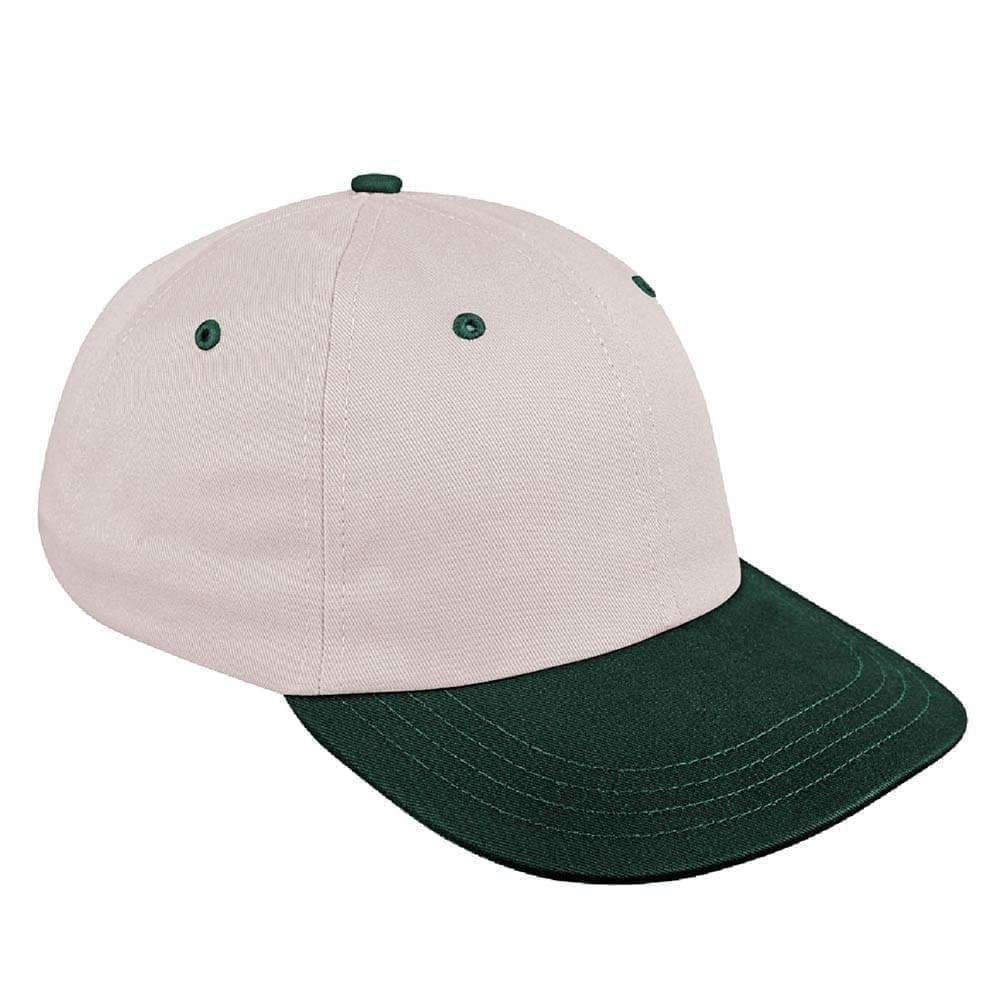
 Dad Caps
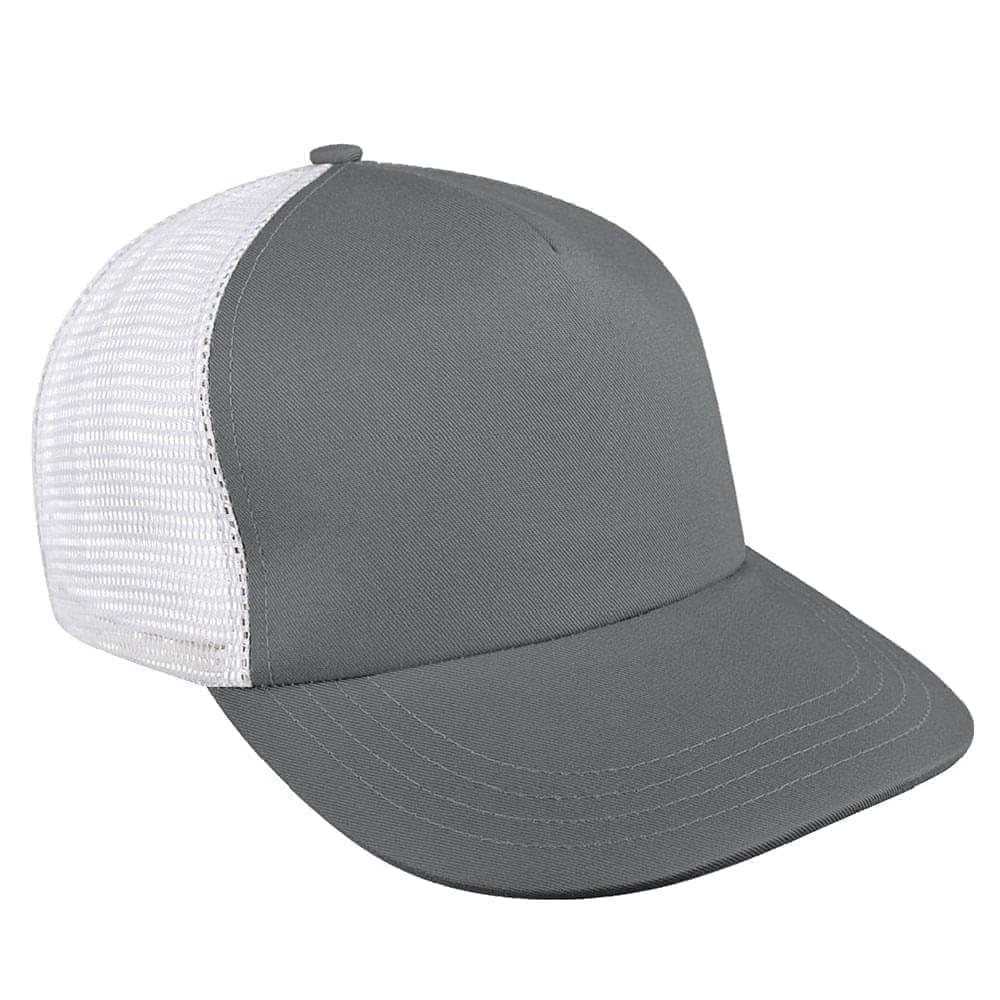 Five Panel Hats
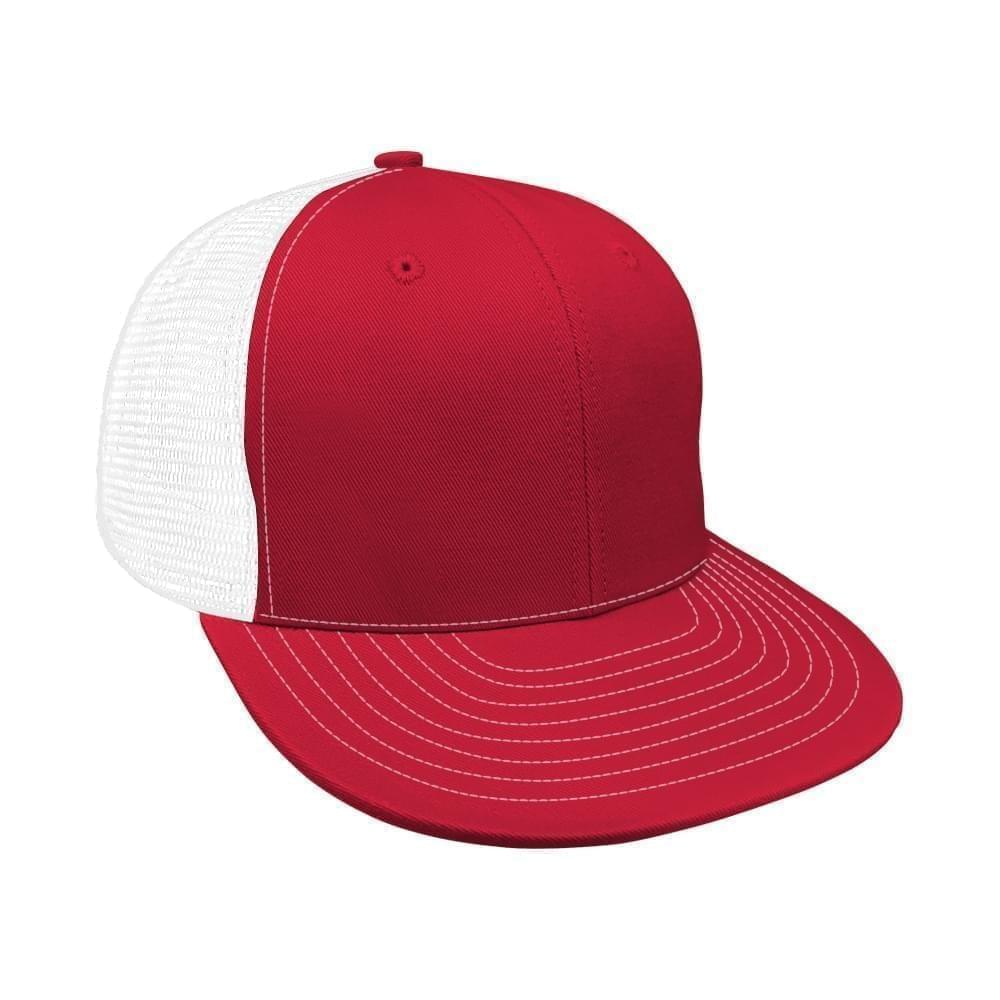 Mesh Back Hats
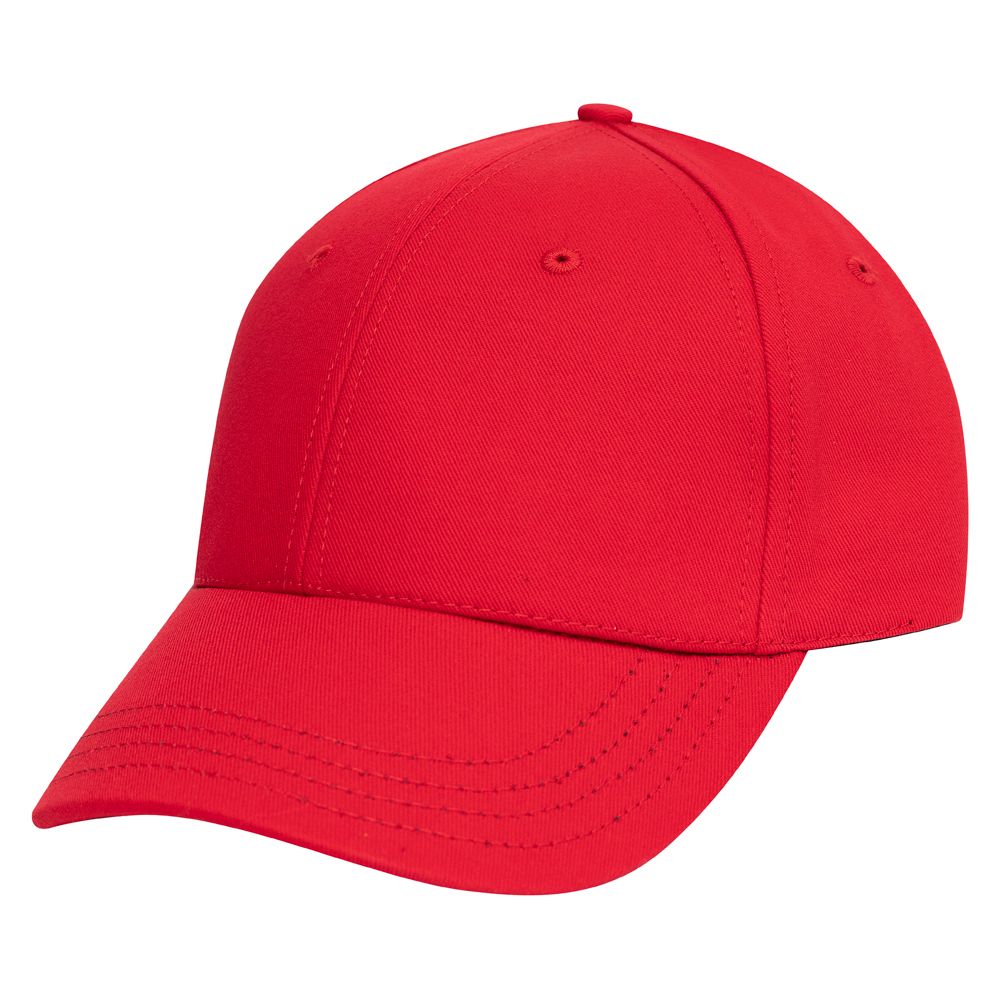 In Stock Blanks
 Snapback Hats
 Stretchfit Hats
 Duffel Bags
 Backpacks
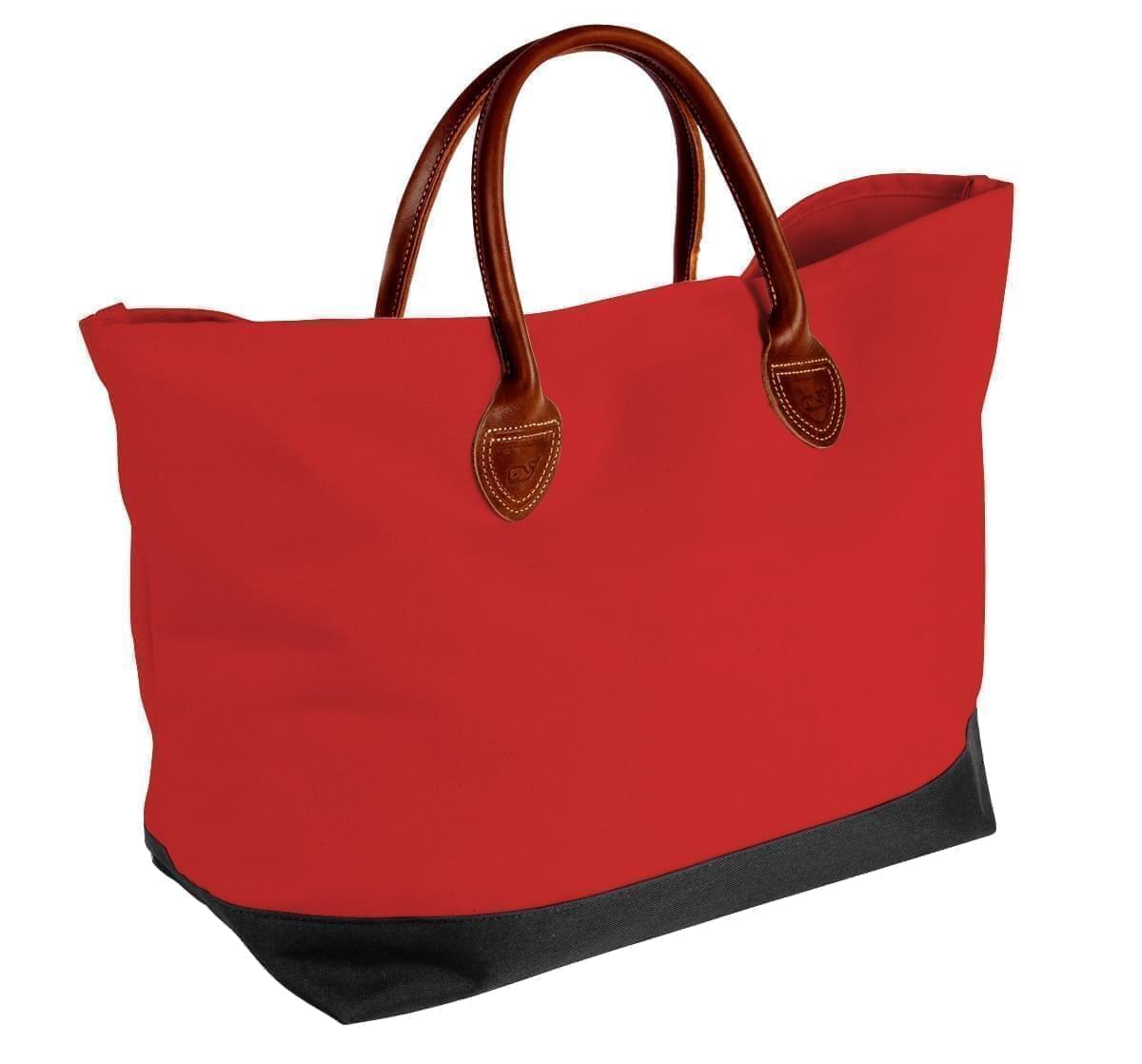 Tote Bags
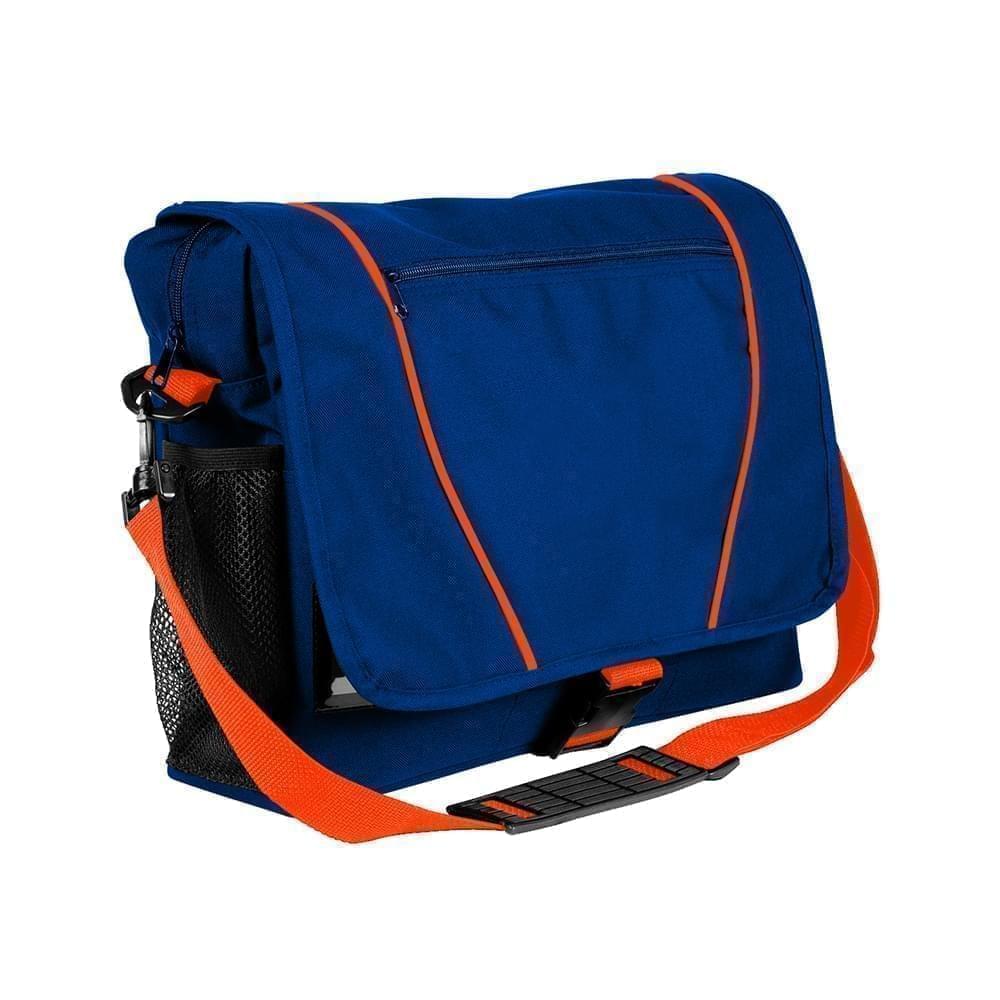 Computer Bags
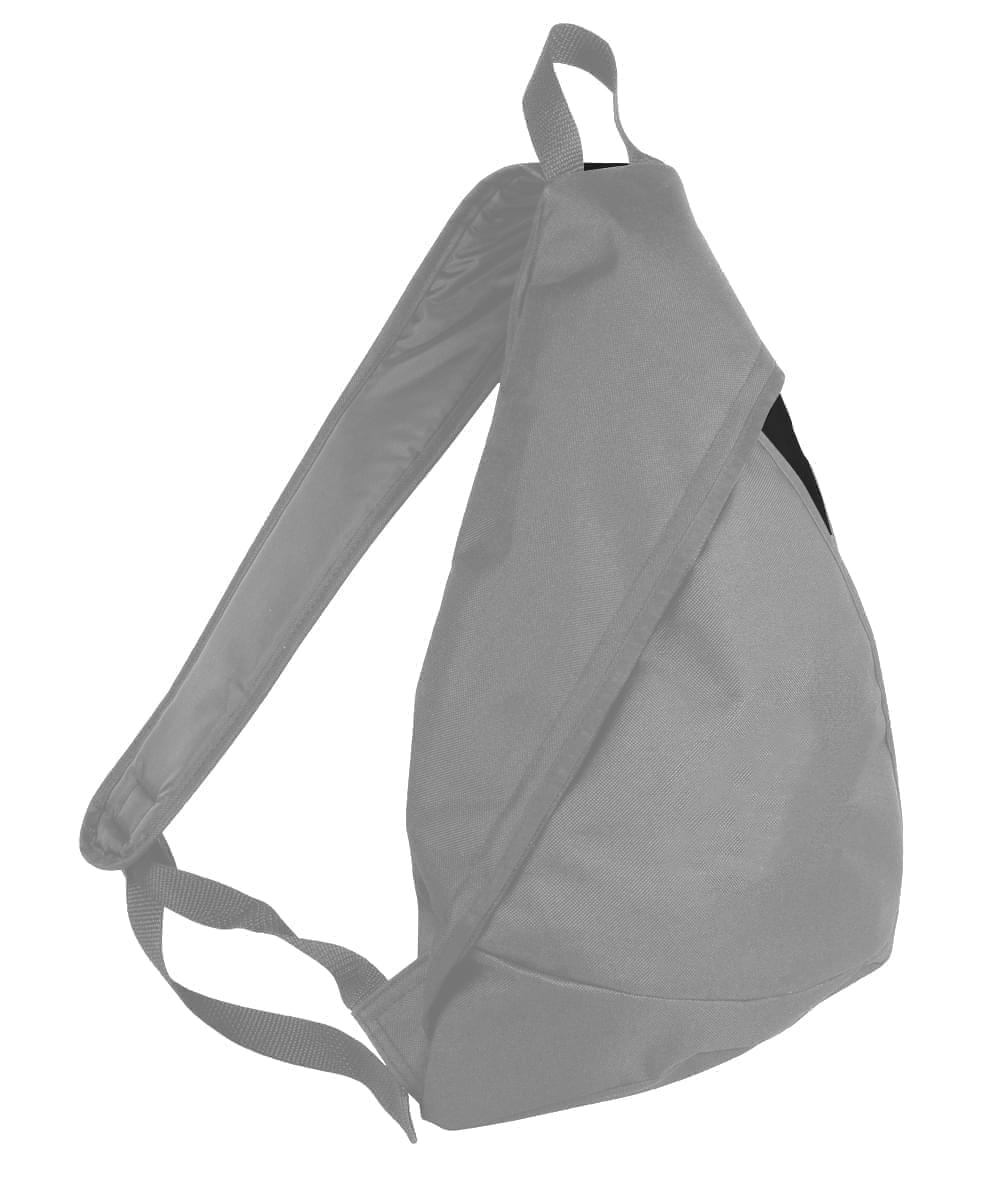 Sling Messenger Bags
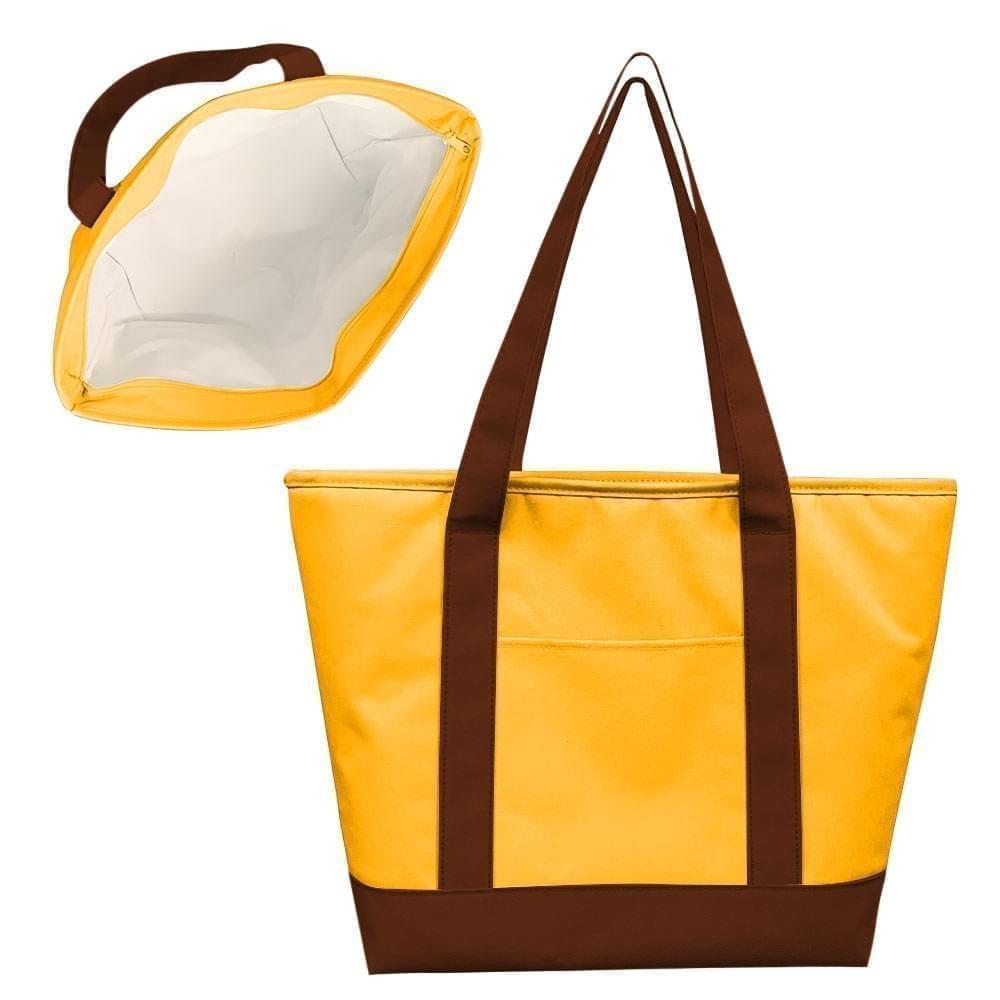 Cooler Bags
 Cuff Hats
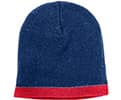 Beanies
 Scarves
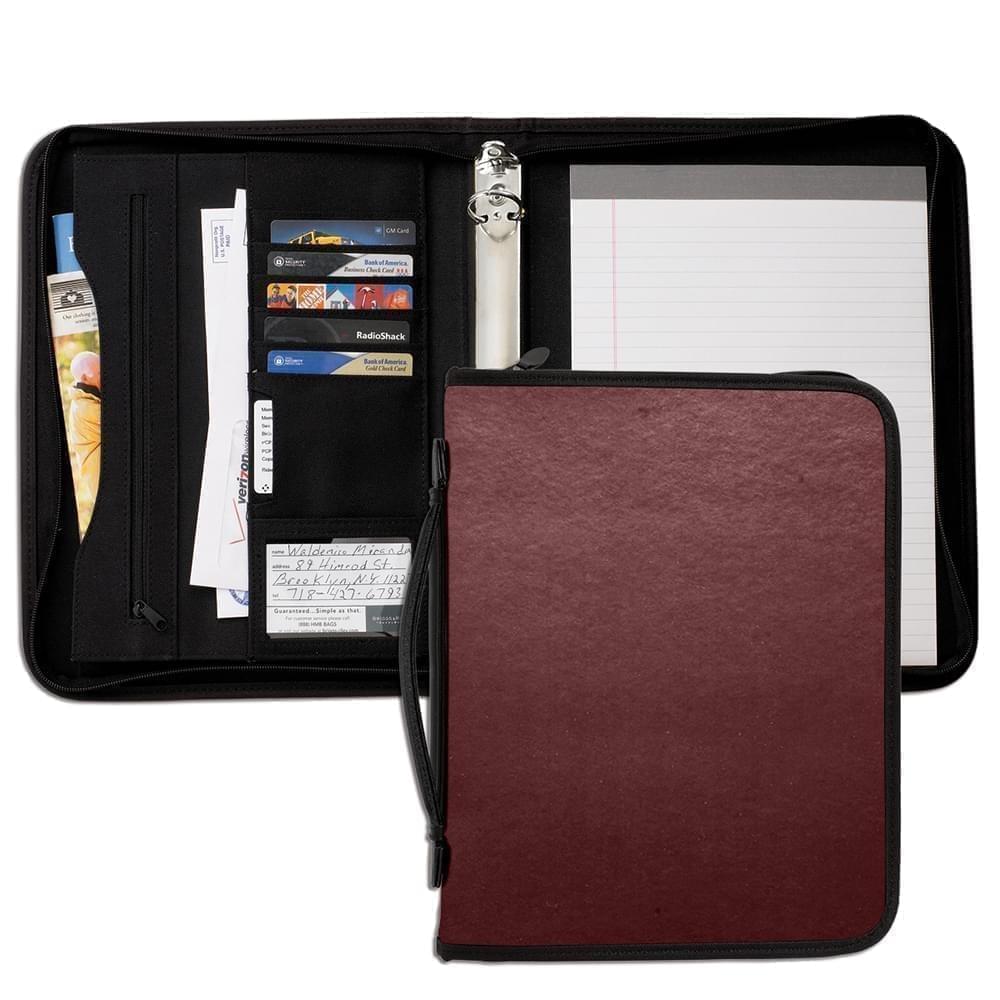 Zipper Folders
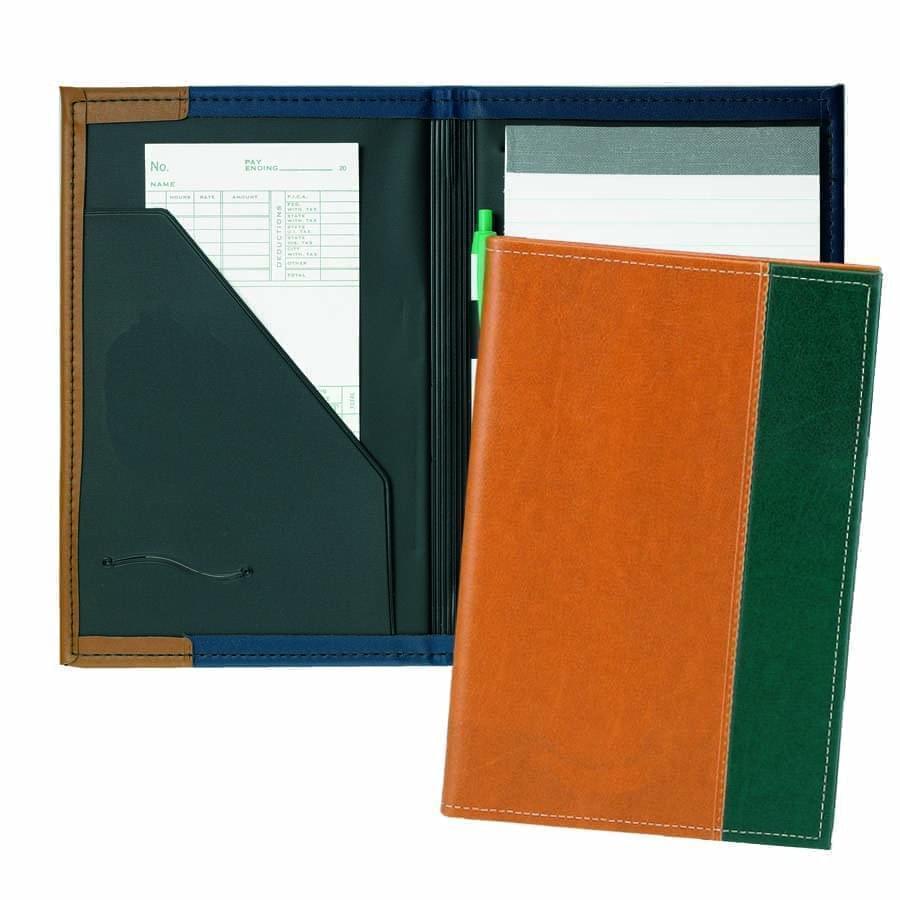 Stitched Folders
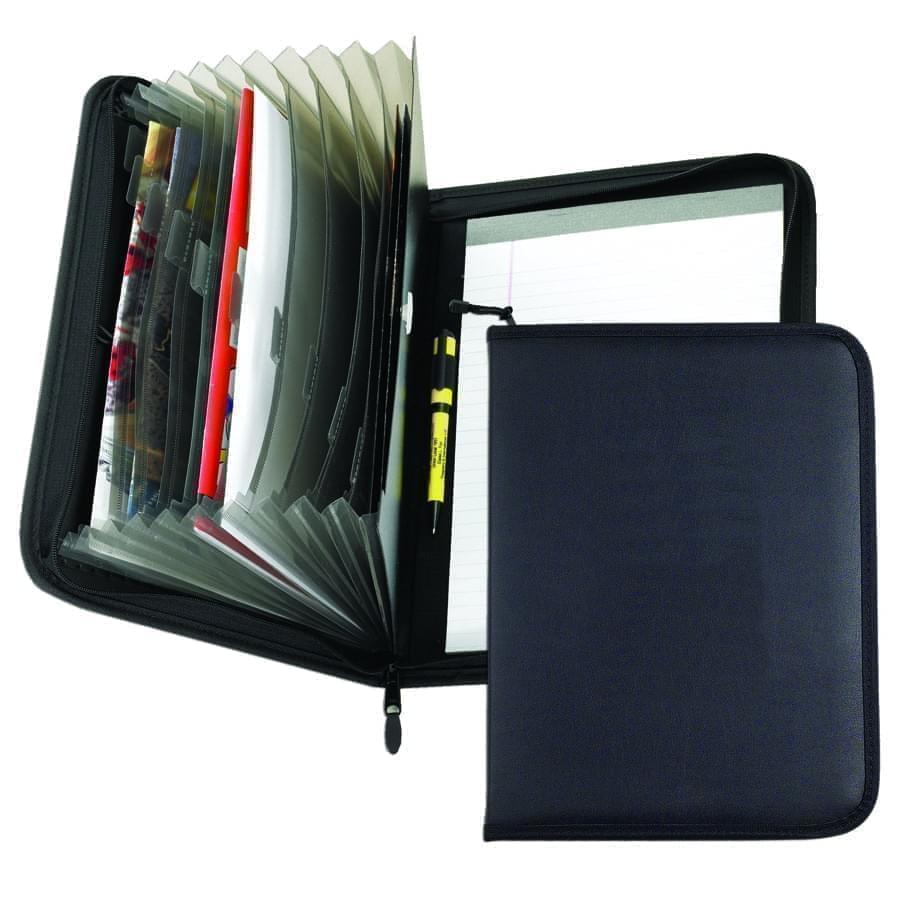 Accordion Folders
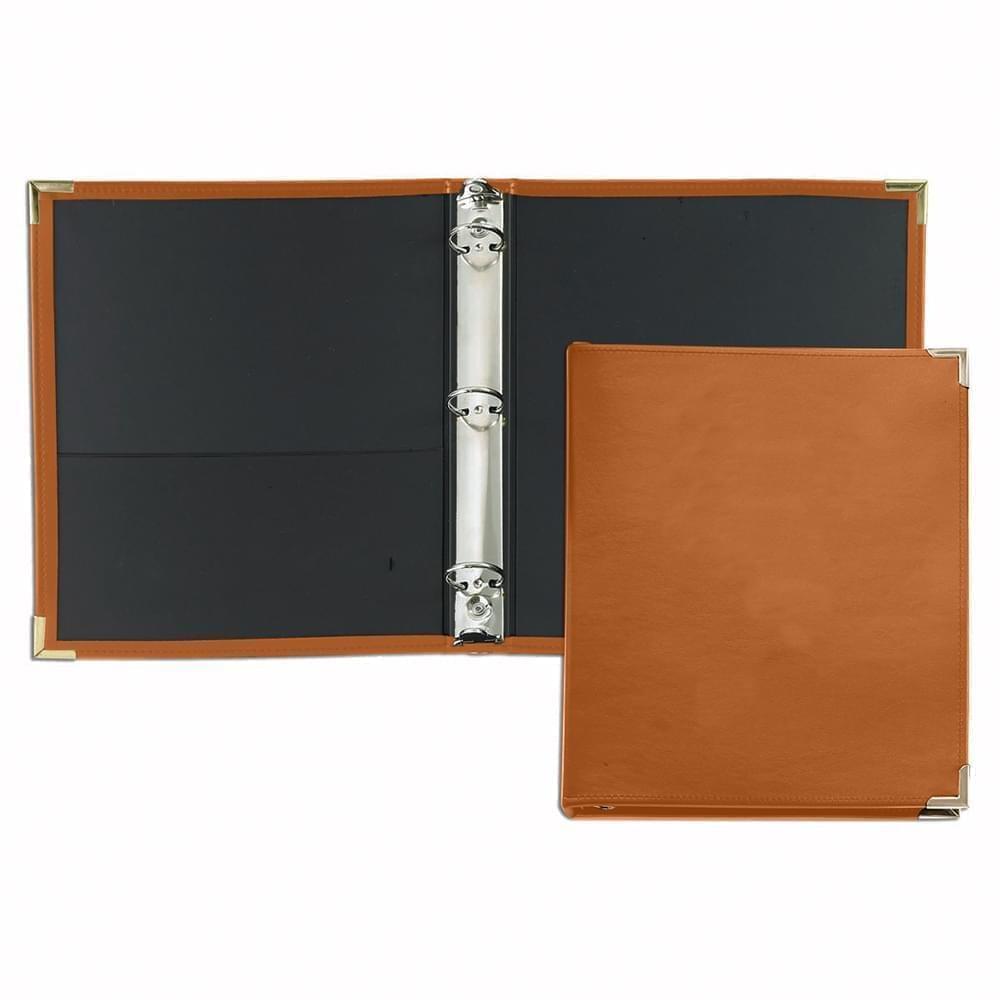 Ring Binders
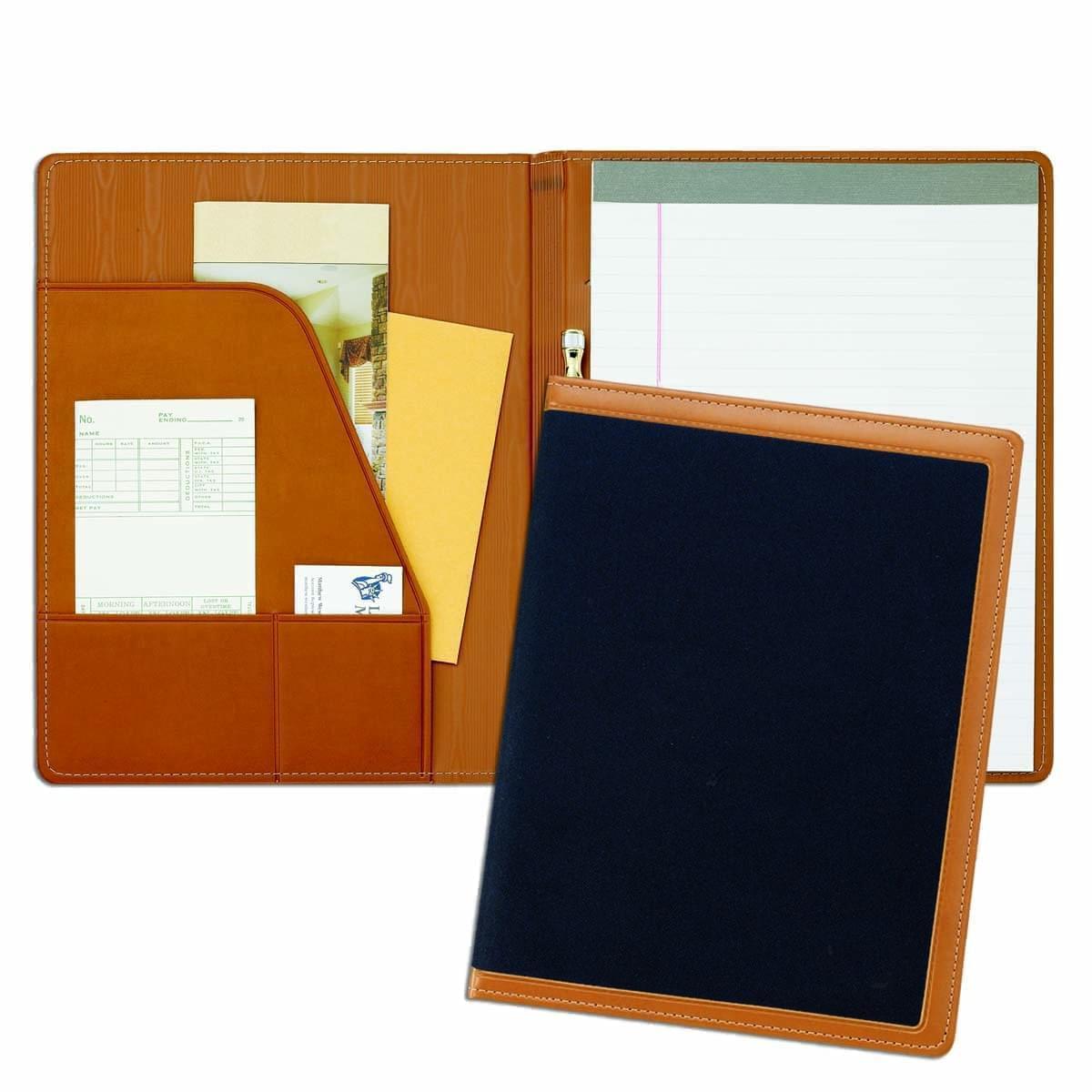 Letter Folders
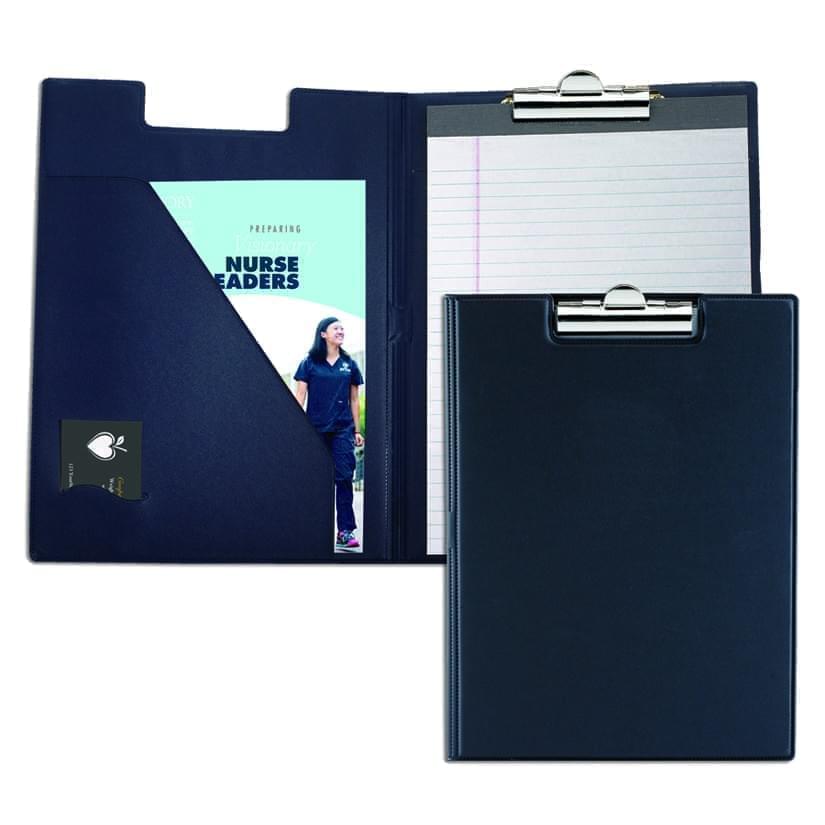 Clipboards
 Union Made In USA
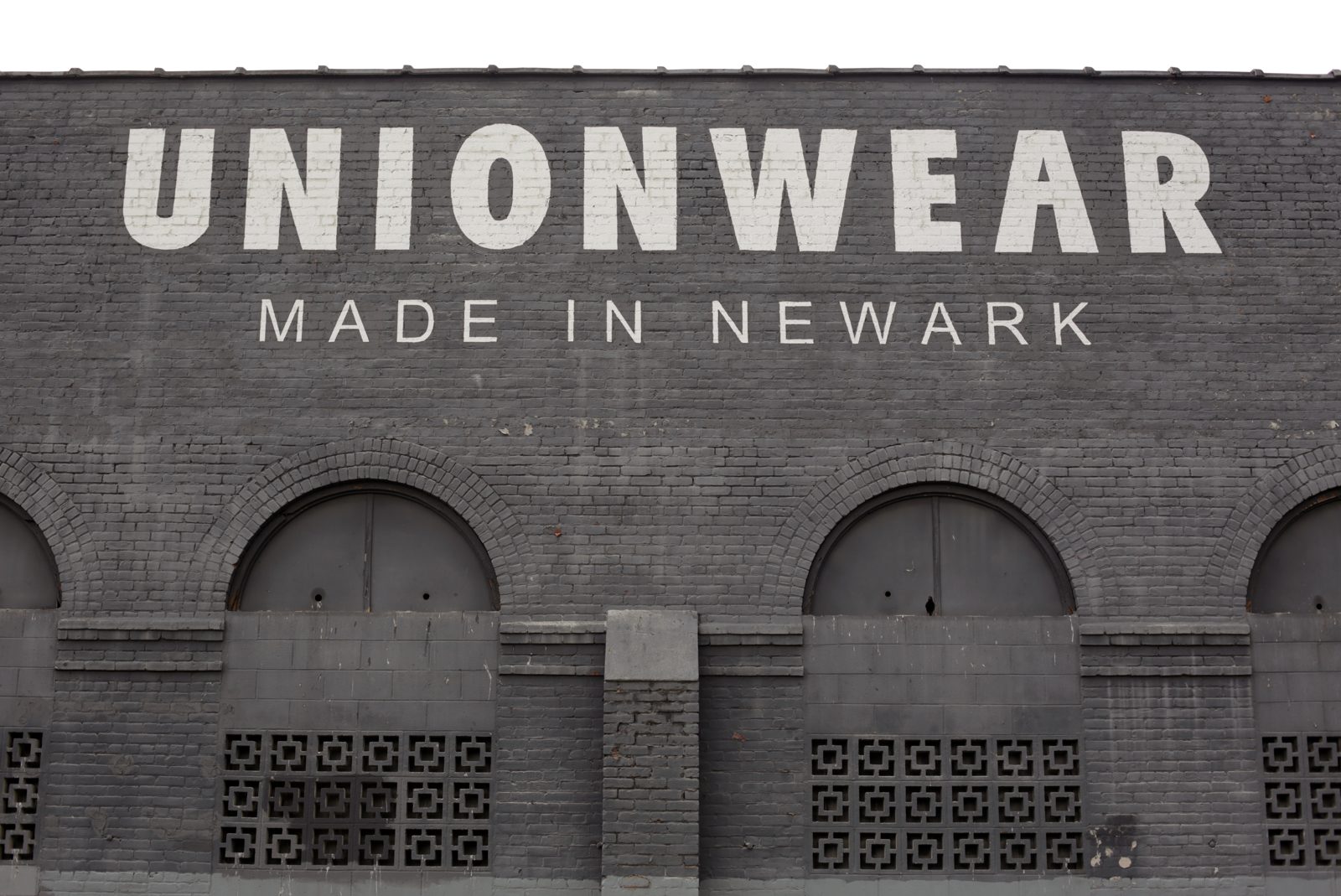
By Mitch Cahn, President, Unionwear
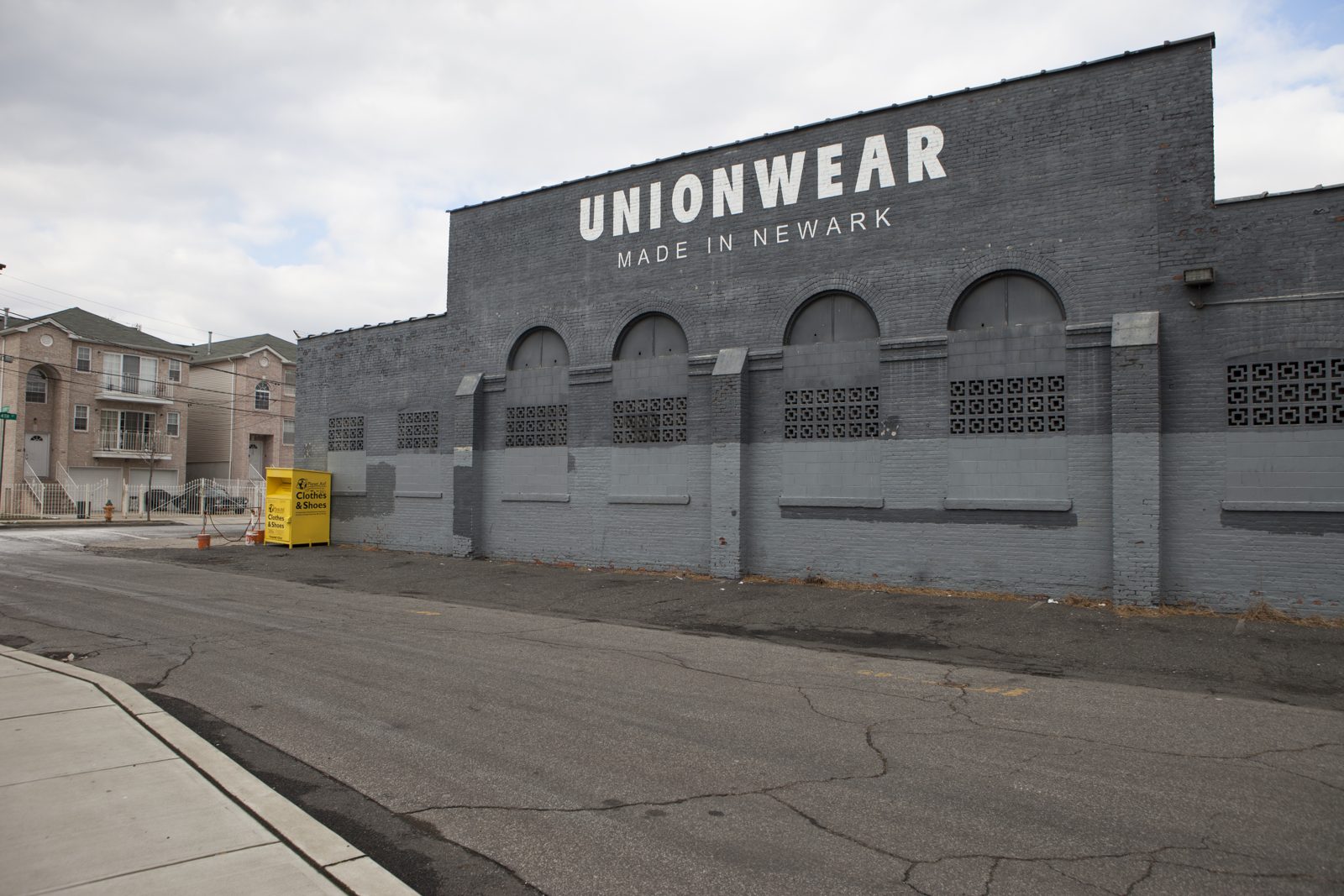
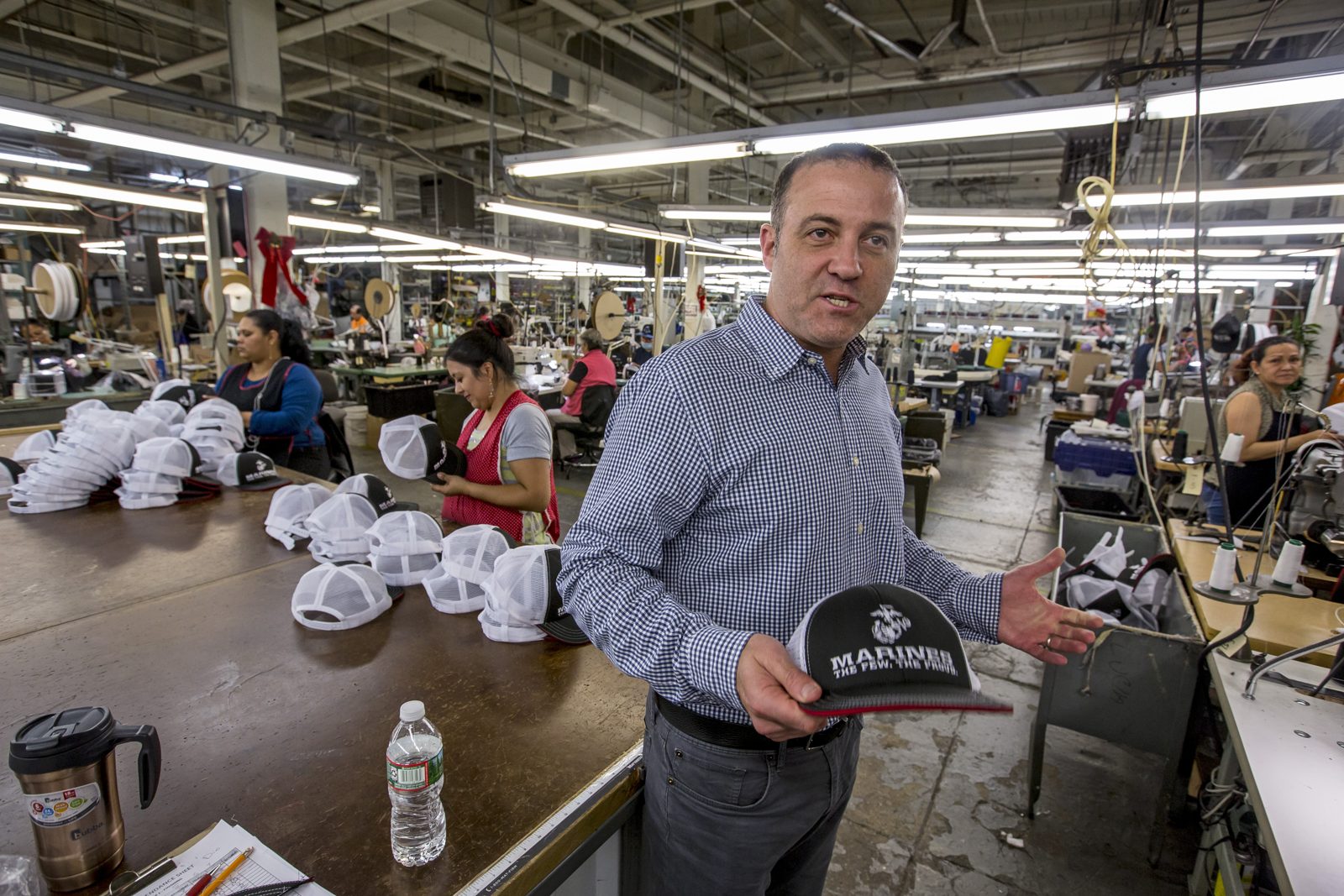
Unionwear has manufactured promotional caps, bags and accessories in the USA continuously since 1992, through NAFTA, offshoring, recessions, tariffs and COVID. We never offshored when most of the industry did. Instead we kept building tools, robotics, a 125,000-SKU superstore and ToteStudio.AI, that turn domestic flexibility and speed into something a reseller can sell. So we can make things, hit prices and solve problems that import-dependent competitors no longer can.
Why did almost everyone in this industry move production overseas?
When NAFTA passed in 1994, promotional products, fashion and apparel companies offshored en masse to chase lower labor costs, particularly in Mexico. We had been founded in 1992 making caps for fashion companies, and we watched those customers leave one after another. By 1998 the fashion business was gone, and we survived almost entirely on labor unions still committed to buying American, which is where the name comes from. The unions gave us the stability to figure out how to compete, and the room to innovate.
How did a domestic manufacturer survive when everyone else left?
By finding new domestic demand and relentlessly lowering our own costs. In 2000 we moved into political campaign merchandise as the internet made that market scalable. In 2006 a lean manufacturing transformation cut unit costs even as wages rose; that was the moment we stopped competing only on patriotism or compliance and started competing on price. In 2008 we bought a bag factory and added a second product line. Each step opened a new pocket of demand and lowered the cost of serving it.
What changed to make domestic production cost-competitive?
Two economic shifts narrowed the gap. In 2009 the federal minimum-wage increase raised wages in the lowest-wage states, which still had a $4.25 floor, erasing much of the regional labor-cost advantage other US shops had over a Newark union plant and opening military contracting to us. From 2010 on, US wages stagnated while Chinese wages rose, shrinking the made-in-USA premium. Every time the macroeconomics moved, the domestic-versus-import gap narrowed and we were positioned to take the market that opened.
How did the product line and capabilities expand?
We kept investing while the industry stayed asset-light. In 2016 we added a padfolio factory, our third product line. The 2017 and 2024 tariff rounds and the 2020 COVID supply shock exposed how fragile overseas sourcing is, and domestic capacity became a growing advantage as importers faced rising costs and broken supply chains.
Everybody talks about reshoring like something you switch back on. It isn’t. We started making hats in 1992, NAFTA hit, and our fashion customers left within a few years. We spent the next three decades learning how to make domestic production competitive, and more than that, how to make it sellable. We can make anything on demand, but nobody can sell “anything,” so we built a superstore of 125,000 products. We can sew in small batches, but you couldn’t get fabric printed in small runs, so we built the equipment to do it ourselves. The companies that left gave all of that up. You can’t rebuild thirty years of it in a quarter when the tariffs change.
How did we turn domestic manufacturing into something resellers can sell?
Flexibility and speed are abstract; they are hard to put in a catalog. So we built tools that make the capability concrete. In 2016 we launched the 125,000-SKU superstore, which turns made-to-order capability into something a reseller and an end user can browse and buy. In 2022 we launched roll-printing and electric-eye cutting, which made short-run custom full-bleed prints real. In 2025 ToteStudio.AI put that capability directly in the customer’s hands: design a full-bleed tote, match an exact color, preview it in 3D, order it. Each one took an existing domestic advantage and engineered it into something a reseller can put in front of a customer.
Why does a 30-year domestic track record matter to you now?
A company that offshored for twenty years and stayed asset-light cannot quickly rebuild the factories, institutional knowledge and supplier relationships domestic production requires. We never lost them. For a buyer who needs Made in USA, for branding, compliance, speed or a capability only domestic can deliver, that unbroken record is the difference between a promise and a proven supplier.
| Year | Milestone |
|---|---|
| 1992 | Founded in July, making caps for fashion companies |
| 1994 | NAFTA; fashion customers begin offshoring |
| 1998 | Surviving almost entirely on labor-union business |
| 2000 | Enters political campaign merchandise |
| 2006 | Lean manufacturing transformation lowers unit costs |
| 2008 | Buys a bag factory; second product line |
| 2009 | Federal minimum-wage increase levels the field; military contracting opens |
| 2010 | Recession shrinks the made-in-USA premium; new markets open |
| 2016 | Buys a padfolio factory; launches the 125,000-SKU superstore |
| 2017 | Tariffs raise import costs |
| 2020 | COVID exposes overseas supply-chain fragility |
| 2022 | Roll-printing robotics enable short-run full-bleed totes |
| 2024 | More tariffs |
| 2025 | ToteStudio.AI launches |
What does this mean if you need Made in USA?
You probably have customer demand for American-made product you aren’t aware of, and we have spent more than thirty years getting ready to make it. Start with our made in USA baseball caps, tote bags and padfolios, or request a quote.
Published October 2026. Refreshed quarterly; changes are noted here.


