
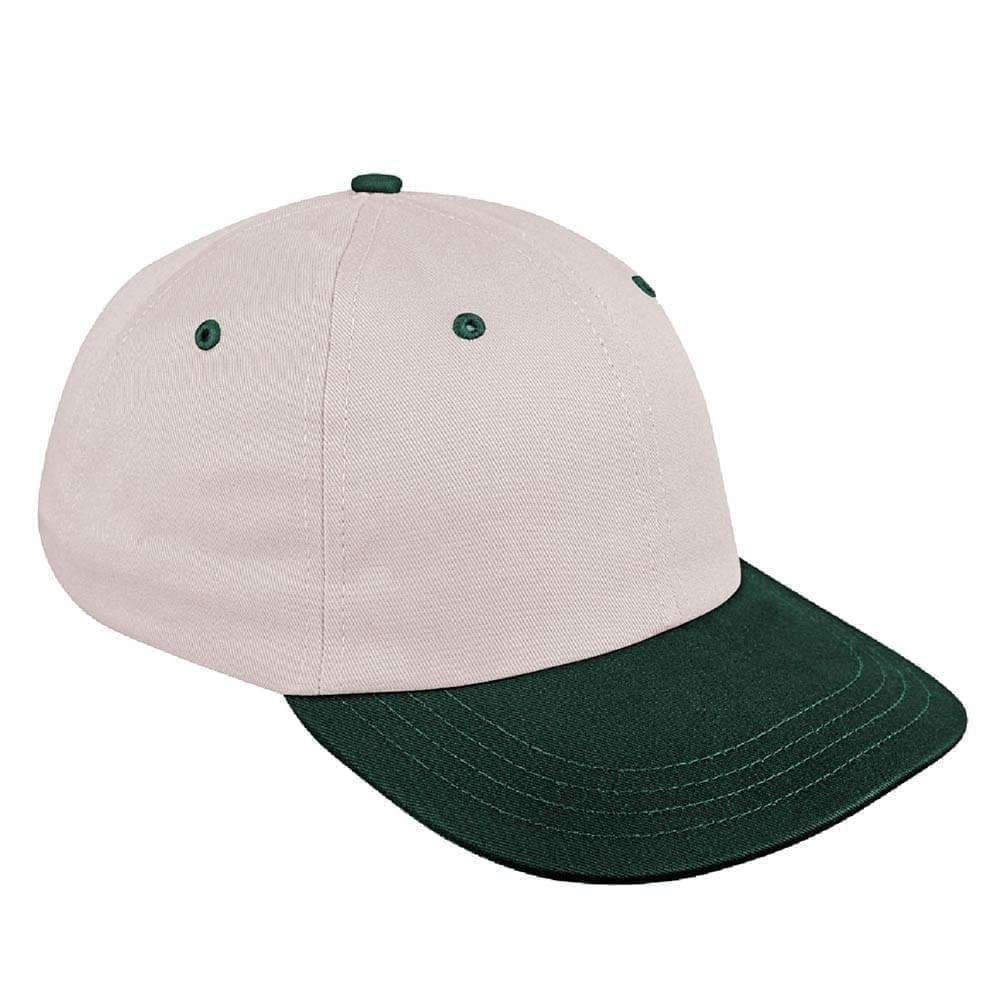
 Dad Caps
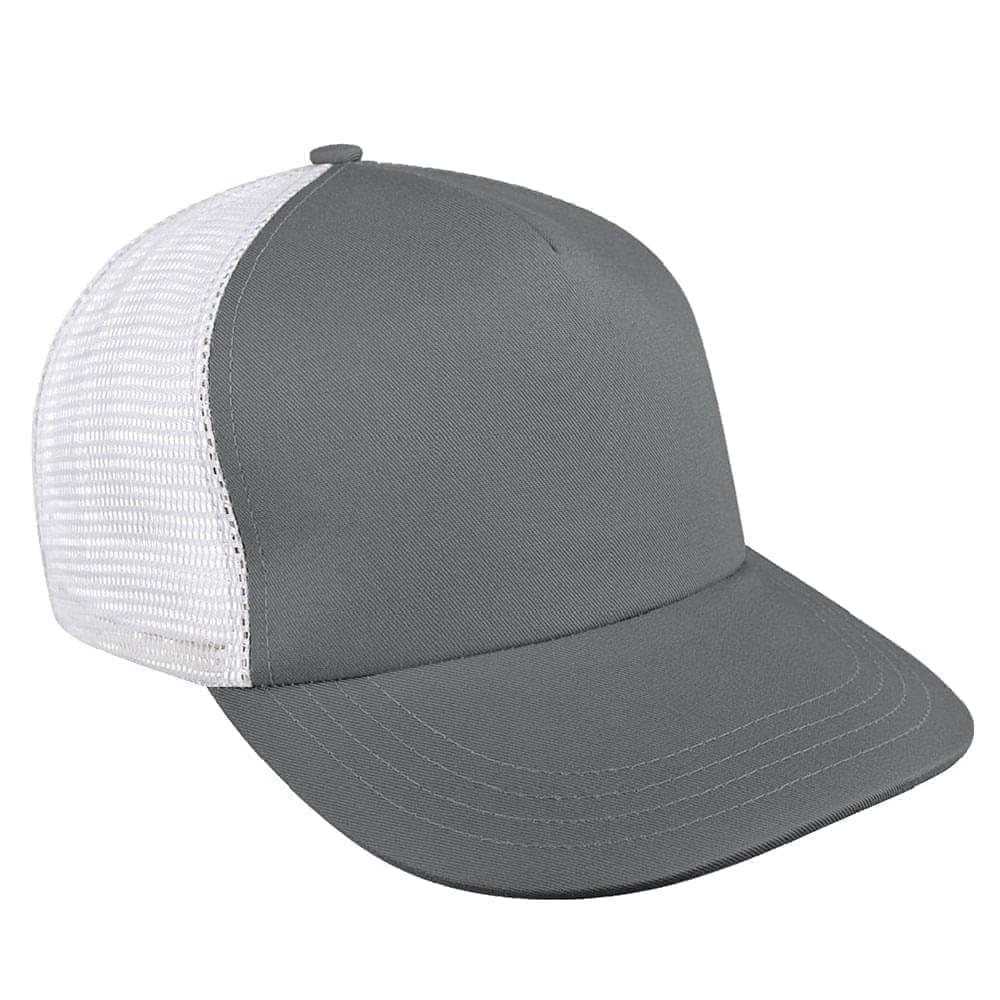 Five Panel Hats
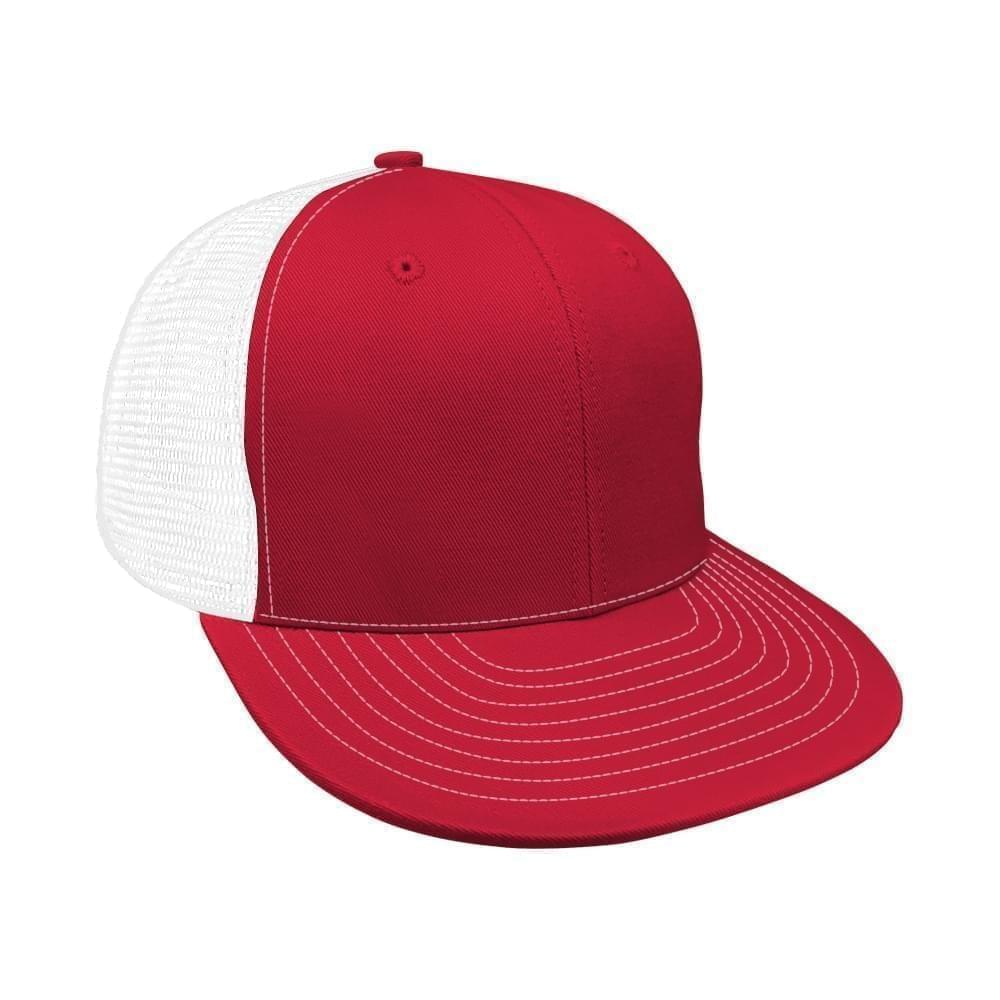 Mesh Back Hats
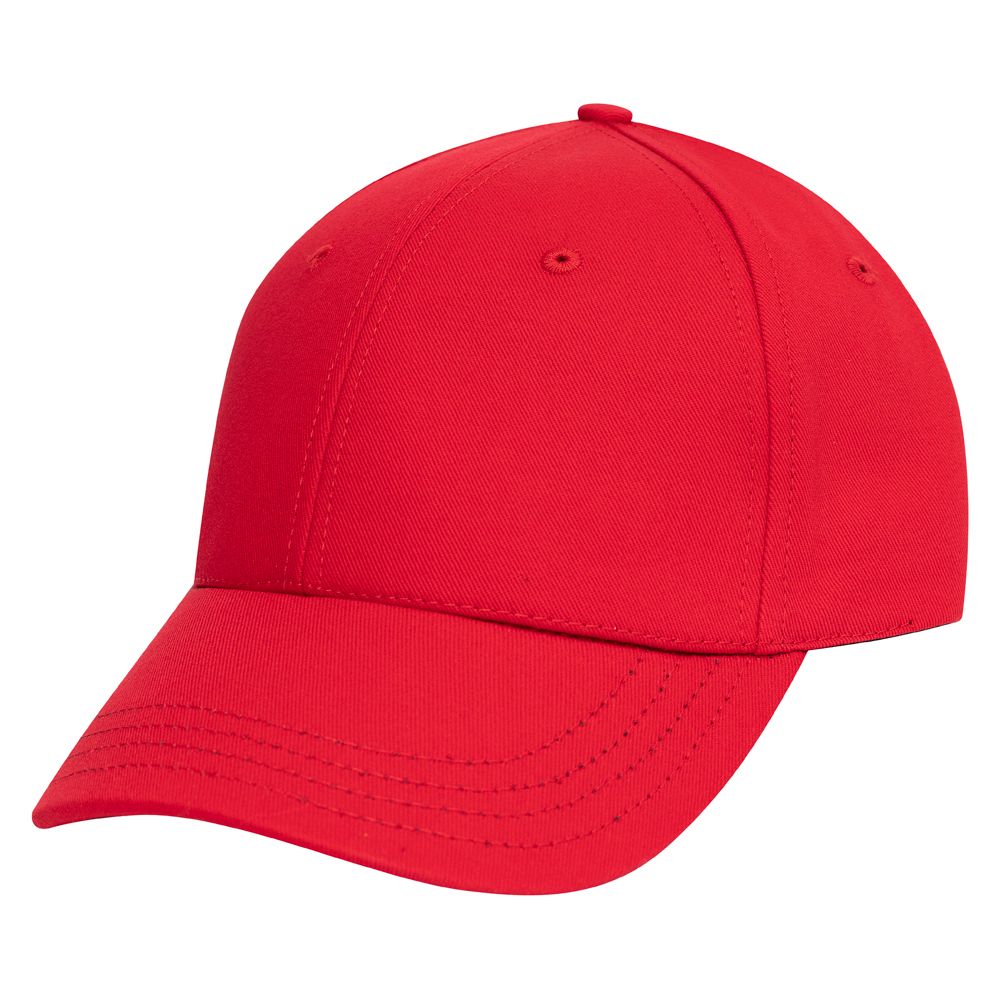 In Stock Blanks
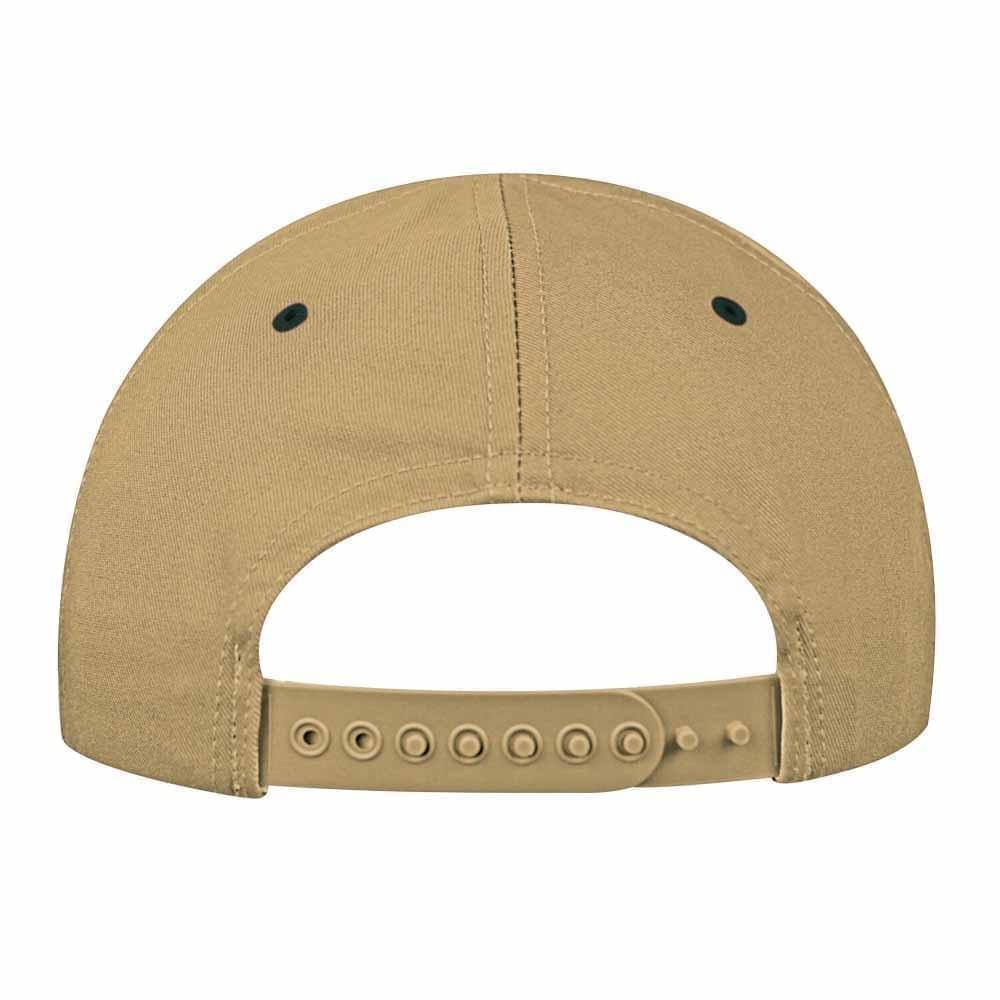 Snapback Hats
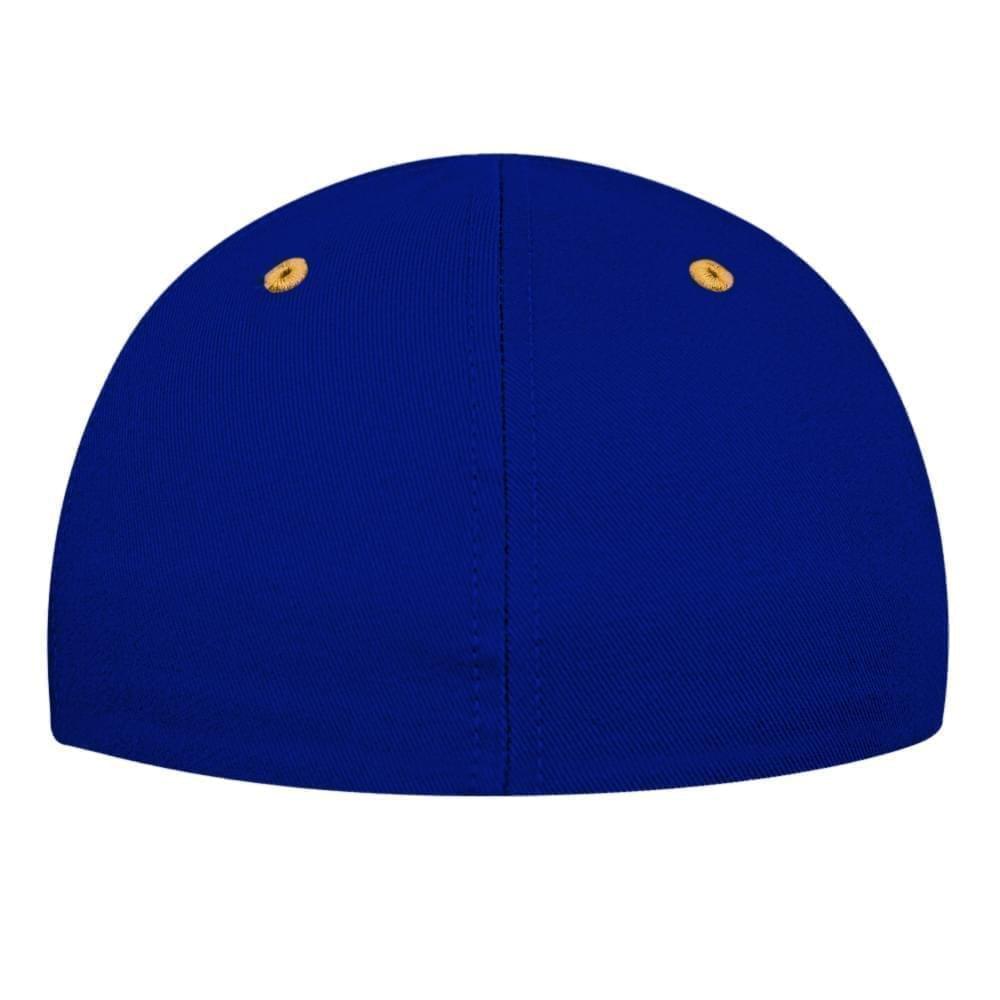 Stretchfit Hats
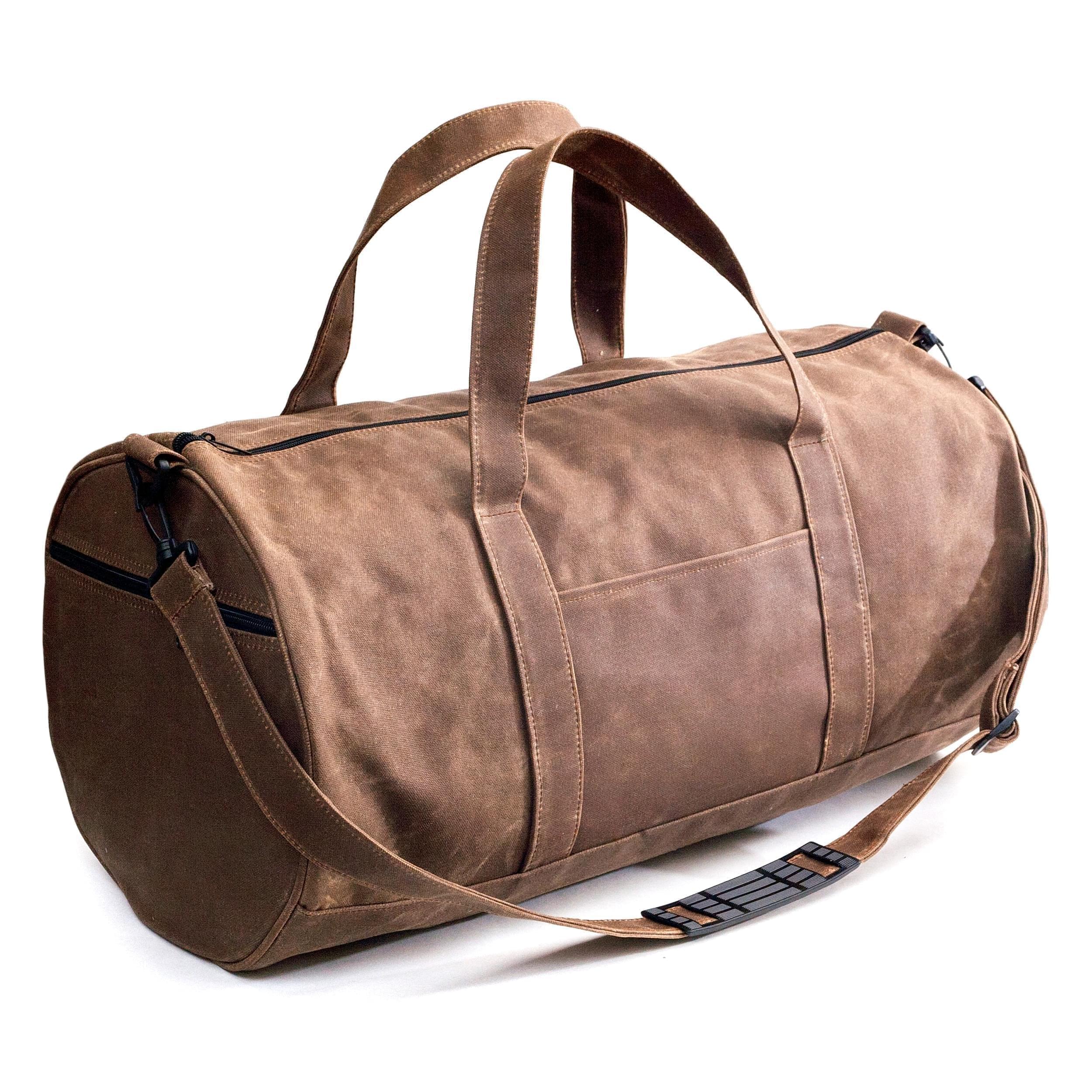 Duffel Bags
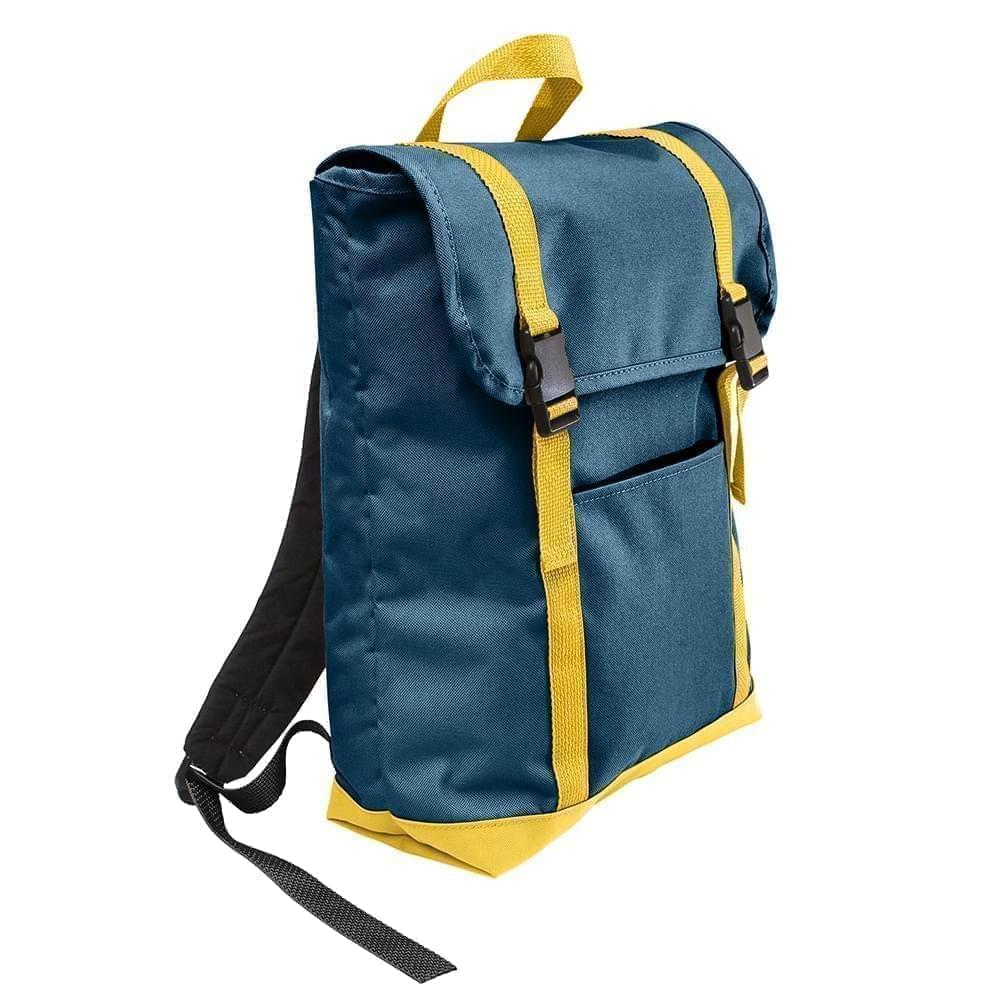 Backpacks
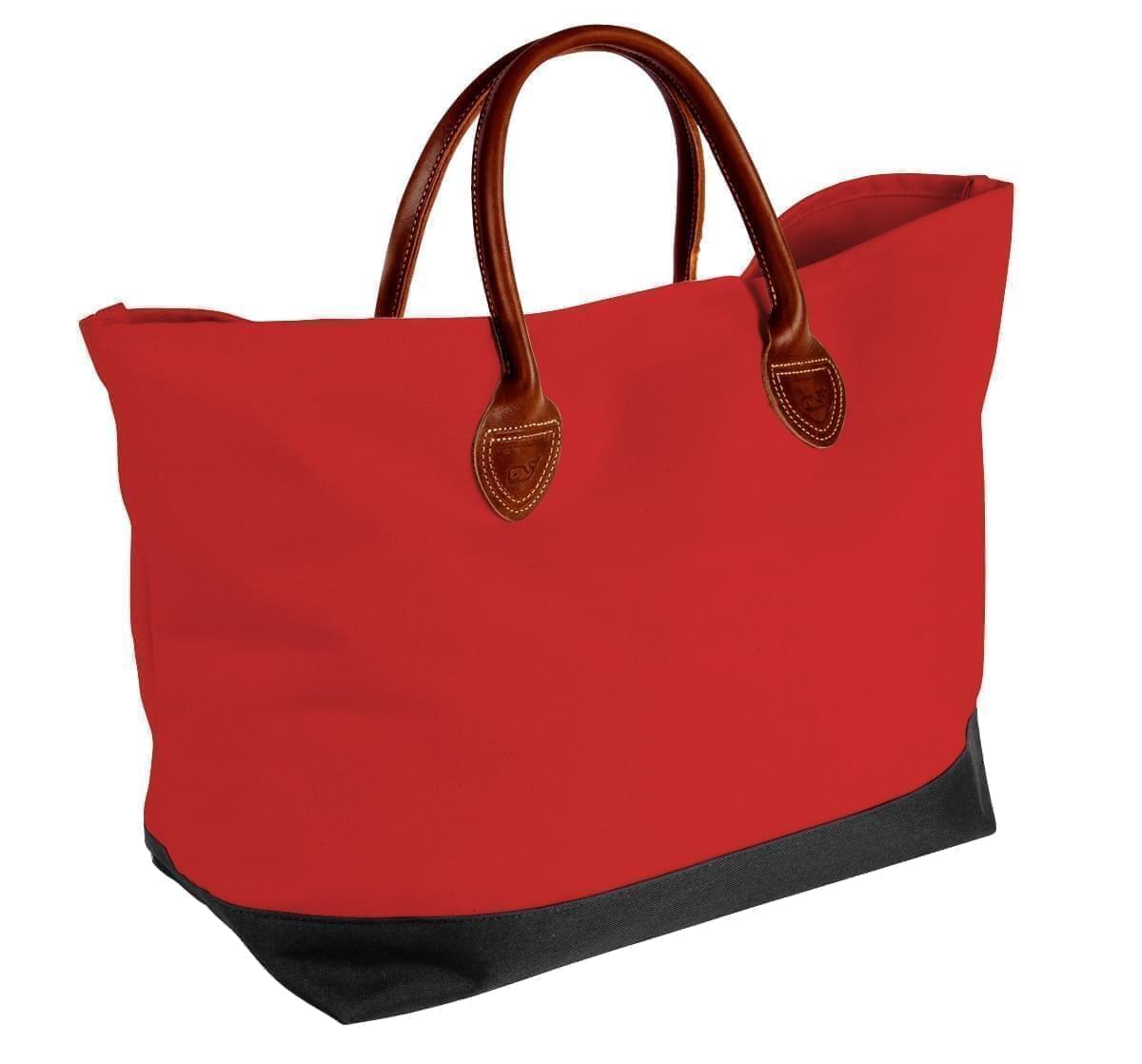 Tote Bags
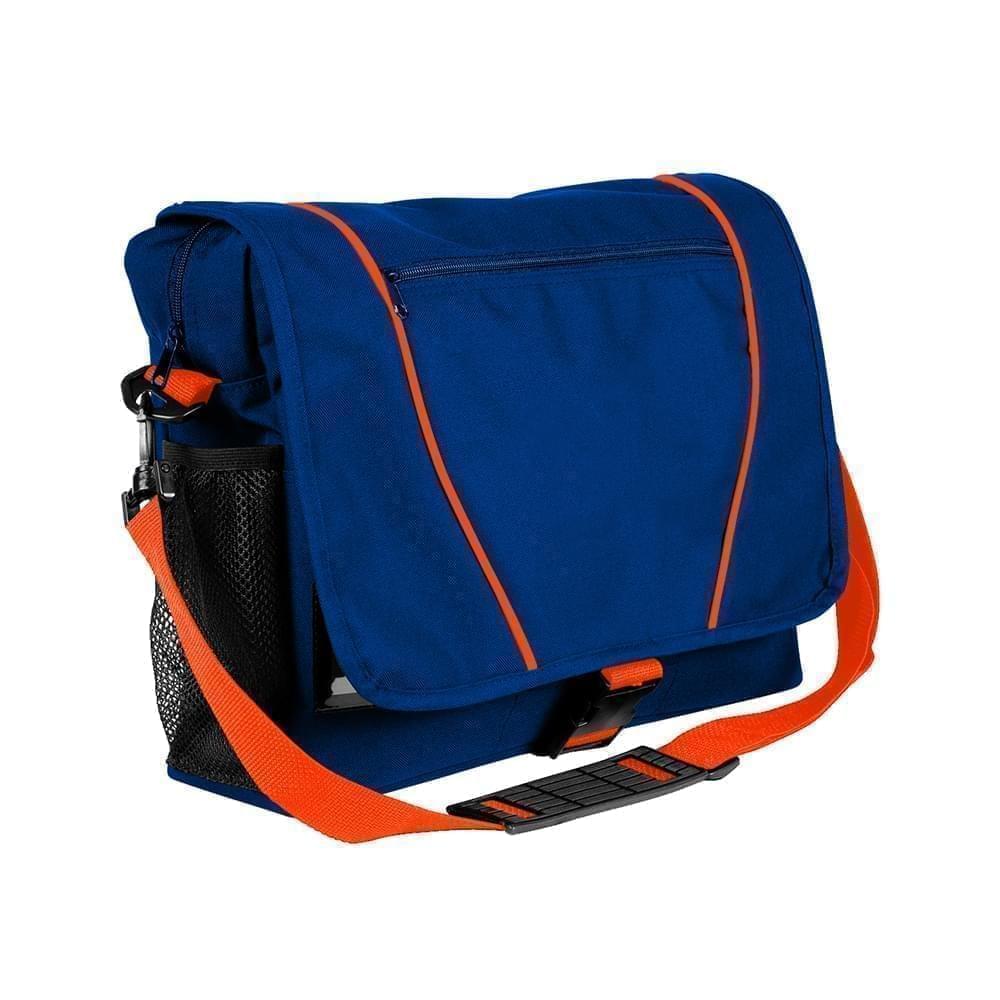 Computer Bags
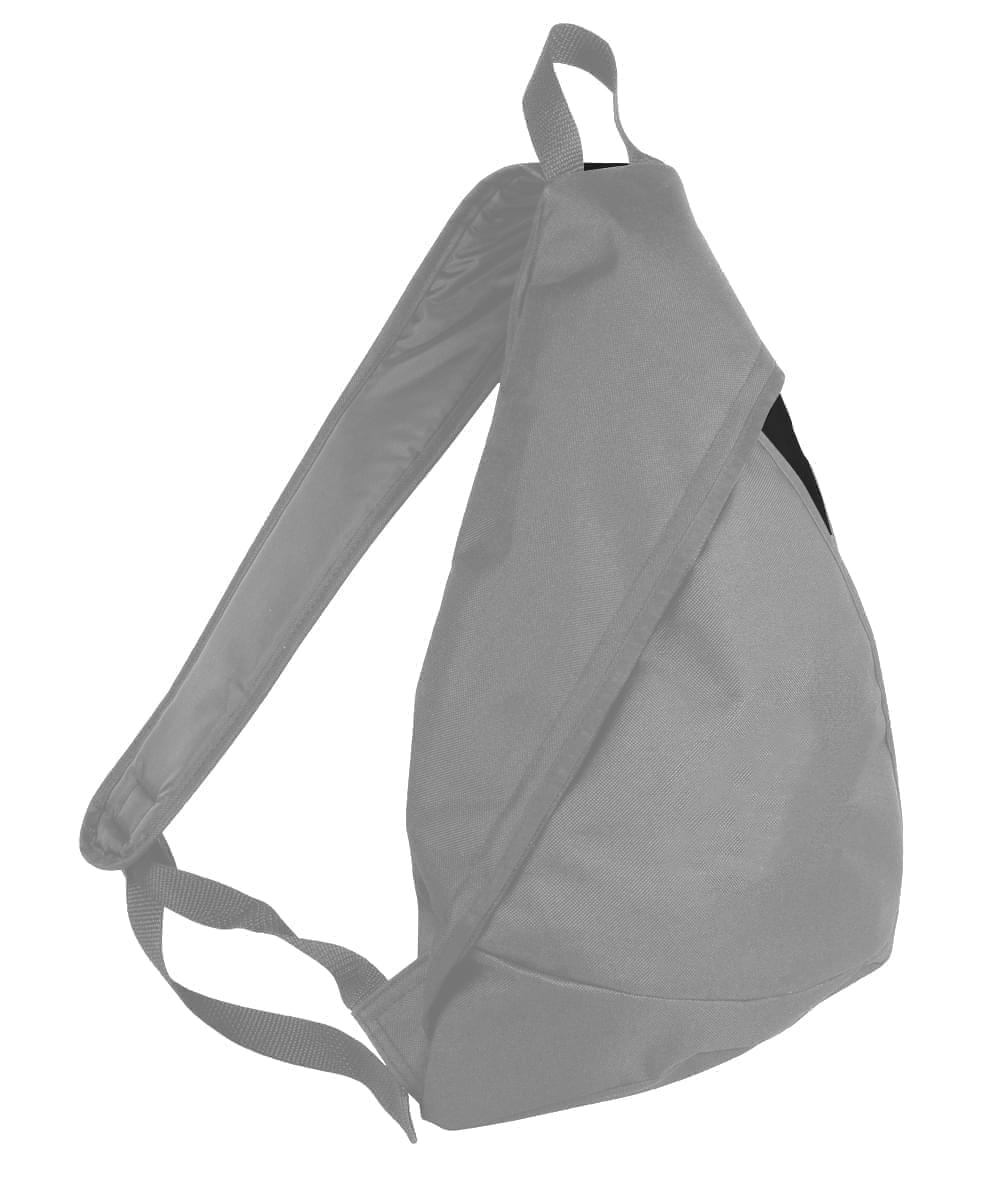 Sling Messenger Bags
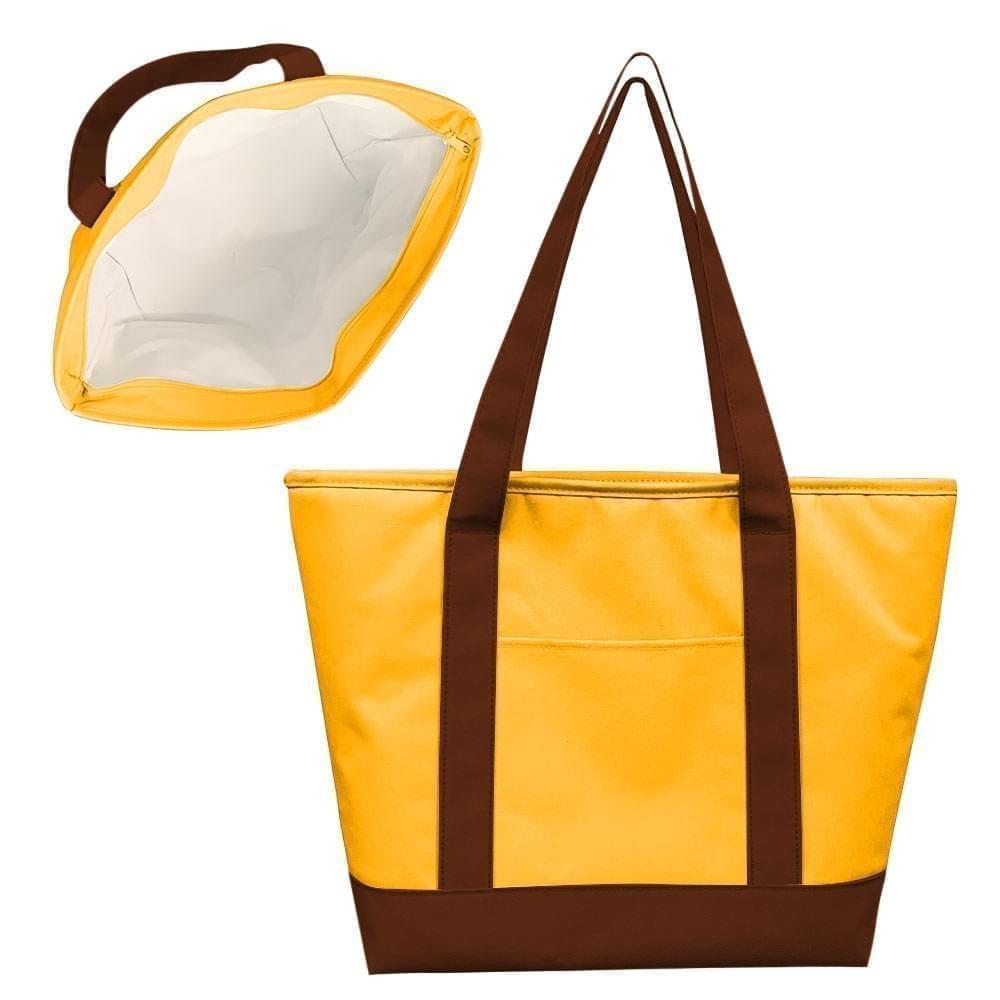 Cooler Bags
 Cuff Hats
 Beanies
 Scarves
 Zipper Folders
 Stitched Folders
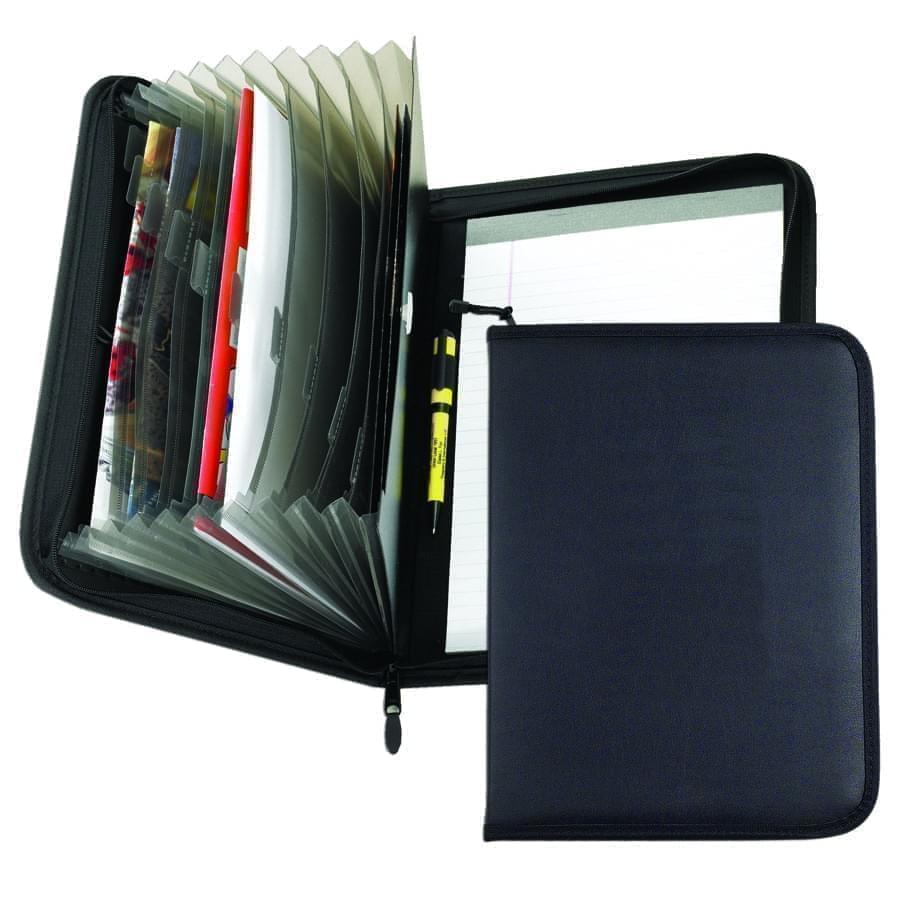 Accordion Folders
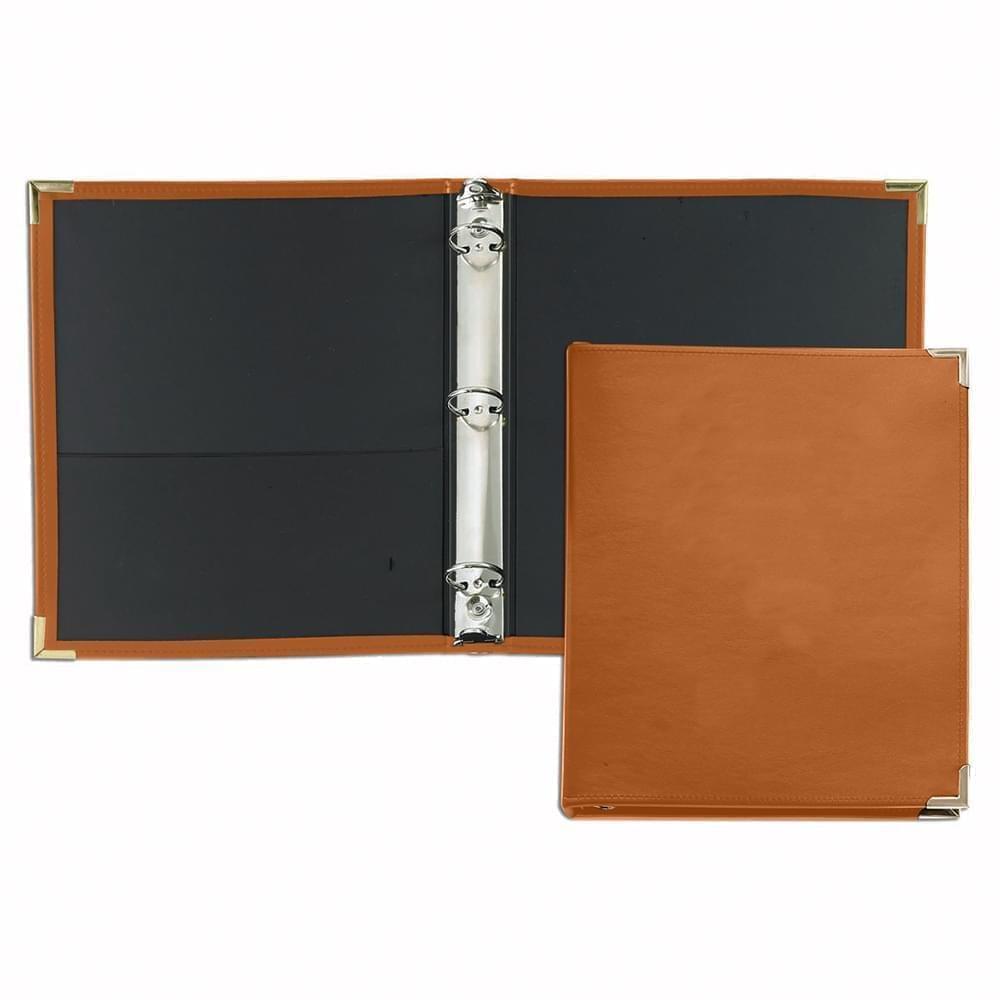 Ring Binders
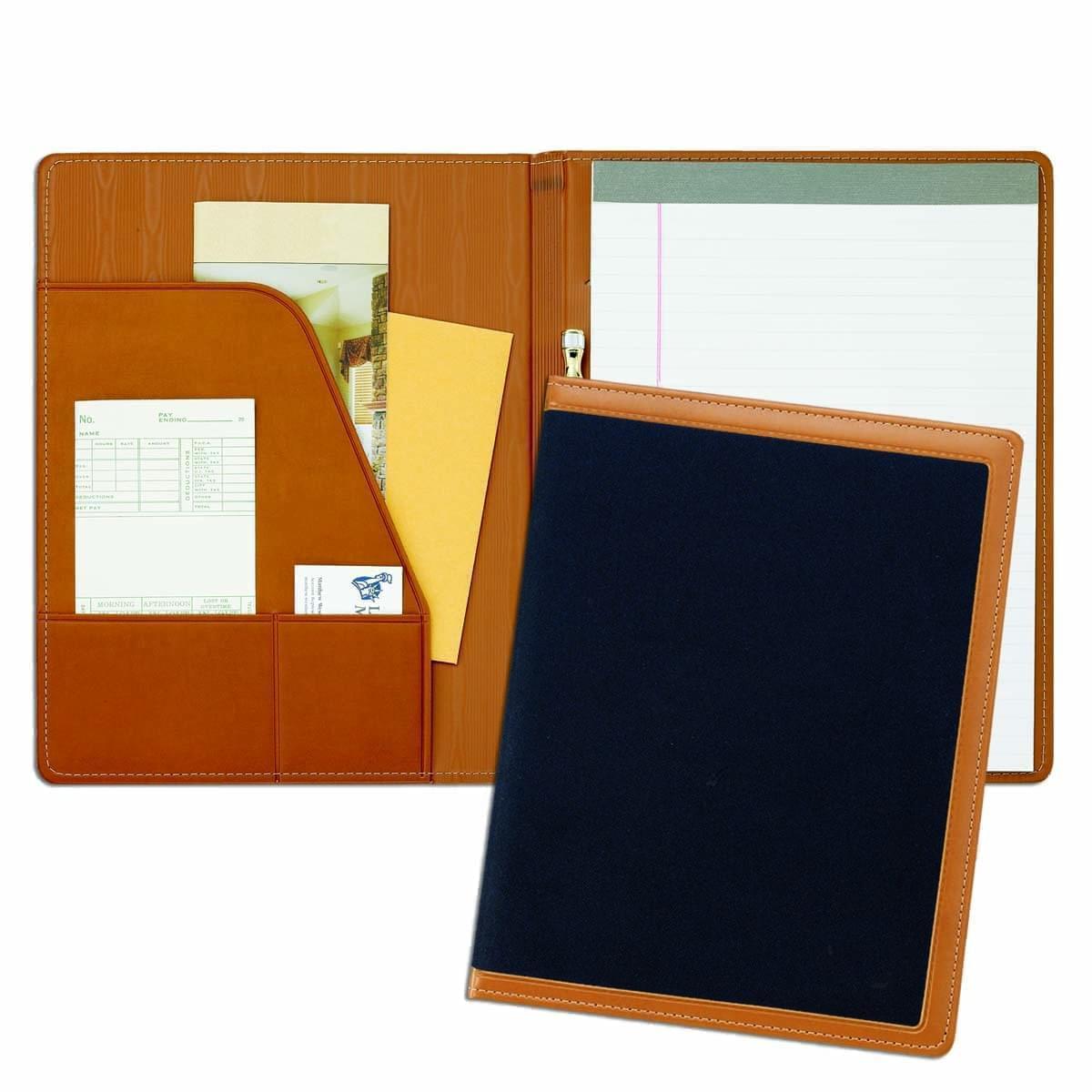 Letter Folders
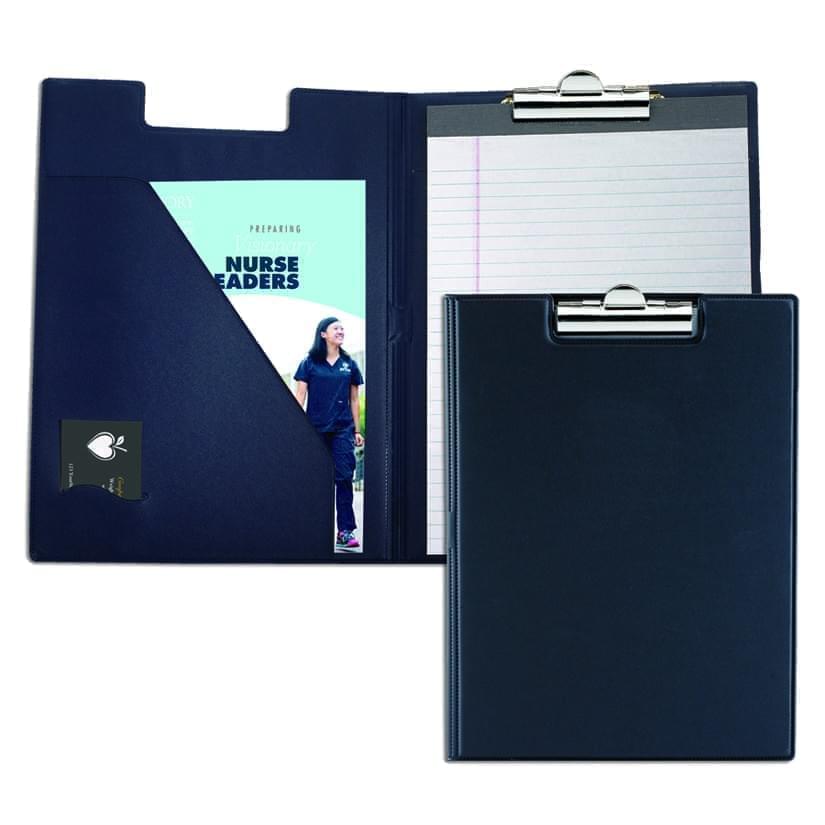 Clipboards
 Union Made In USA
By Mitch Cahn, President, Unionwear
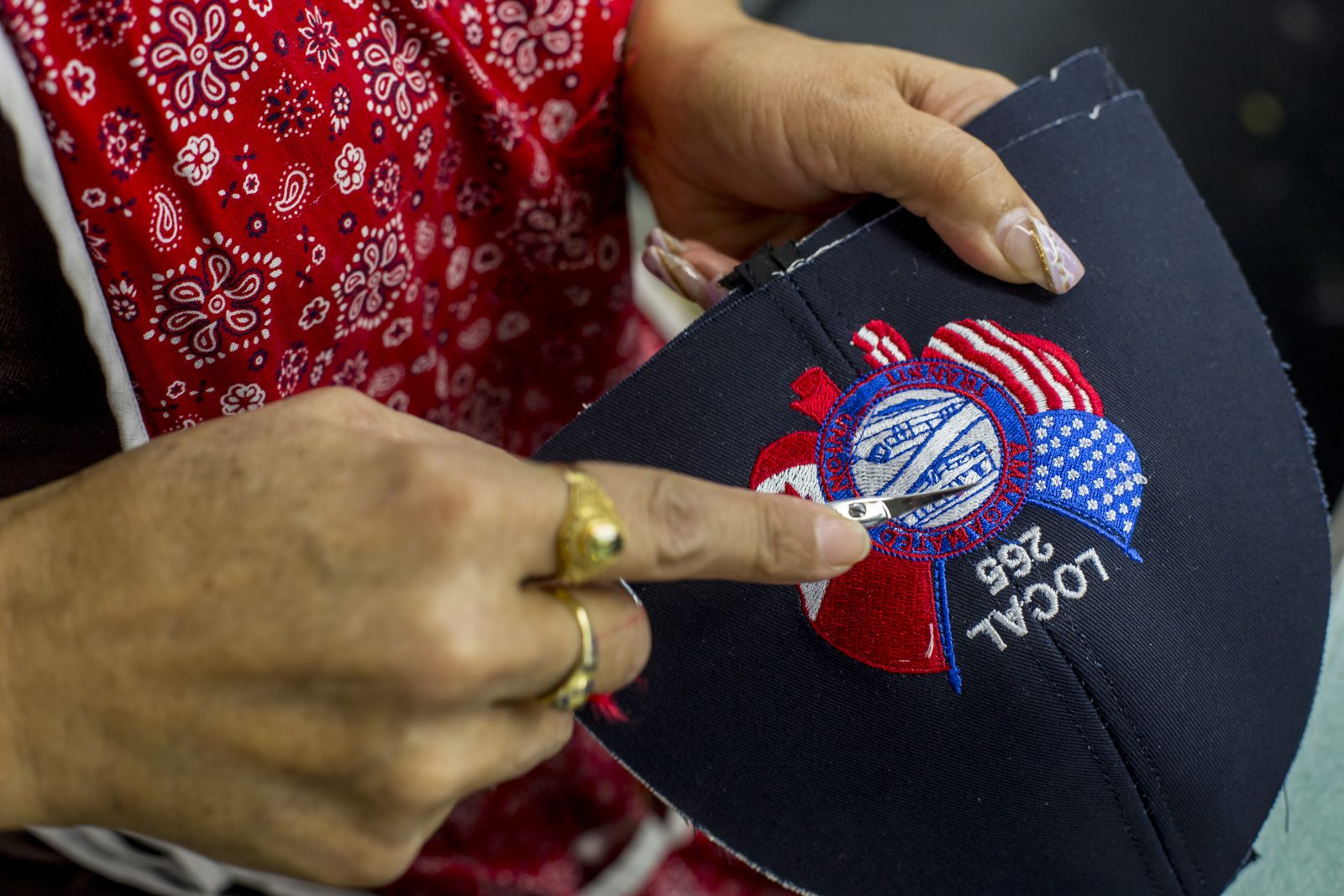
Unionwear is the only unionized shop making union made hats and tote bags in America, and on most of our products we are also the lowest-cost domestic producer. Customers assume the opposite. They ask, almost in disbelief, “You’re union. How are you the cheapest American option?” The answer comes down to two things: nonprofit union health coverage and a veteran workforce that needs almost no management.
Doesn’t union labor make a product more expensive?
The assumption rests on a false premise: that wage rate is the same thing as labor cost. Our wages are higher. But the cost of a finished hat or bag depends on far more than the hourly rate: health coverage, turnover and training, and the productivity drag of inexperience. On every one of those, a stable union shop wins.
Why is health insurance cheaper at a union shop?
Health care is one of the largest structural costs for any domestic workforce. Our coverage comes through a multiemployer (Taft-Hartley) plan, a pool shared across many union employers and run as a nonprofit. The large pooled membership lowers the cost, and nonprofit administration means no profit margin is built into the premiums. So our single largest non-wage labor cost, health benefits, is lower than what a non-union competitor can buy on its own.
How does the union plan protect us from ACA penalties?
Because we contribute to a multiemployer plan that offers affordable, minimum-value coverage, Unionwear is treated under the Affordable Care Act as offering coverage, which shields us from the employer penalty. If a worker finds cheaper coverage on the public exchange, neither the company nor the union is penalized. A non-union employer has to manage that exposure alone. It sounds technical, but it is both a cost advantage and a risk advantage.
Why does an experienced workforce cost less to run?
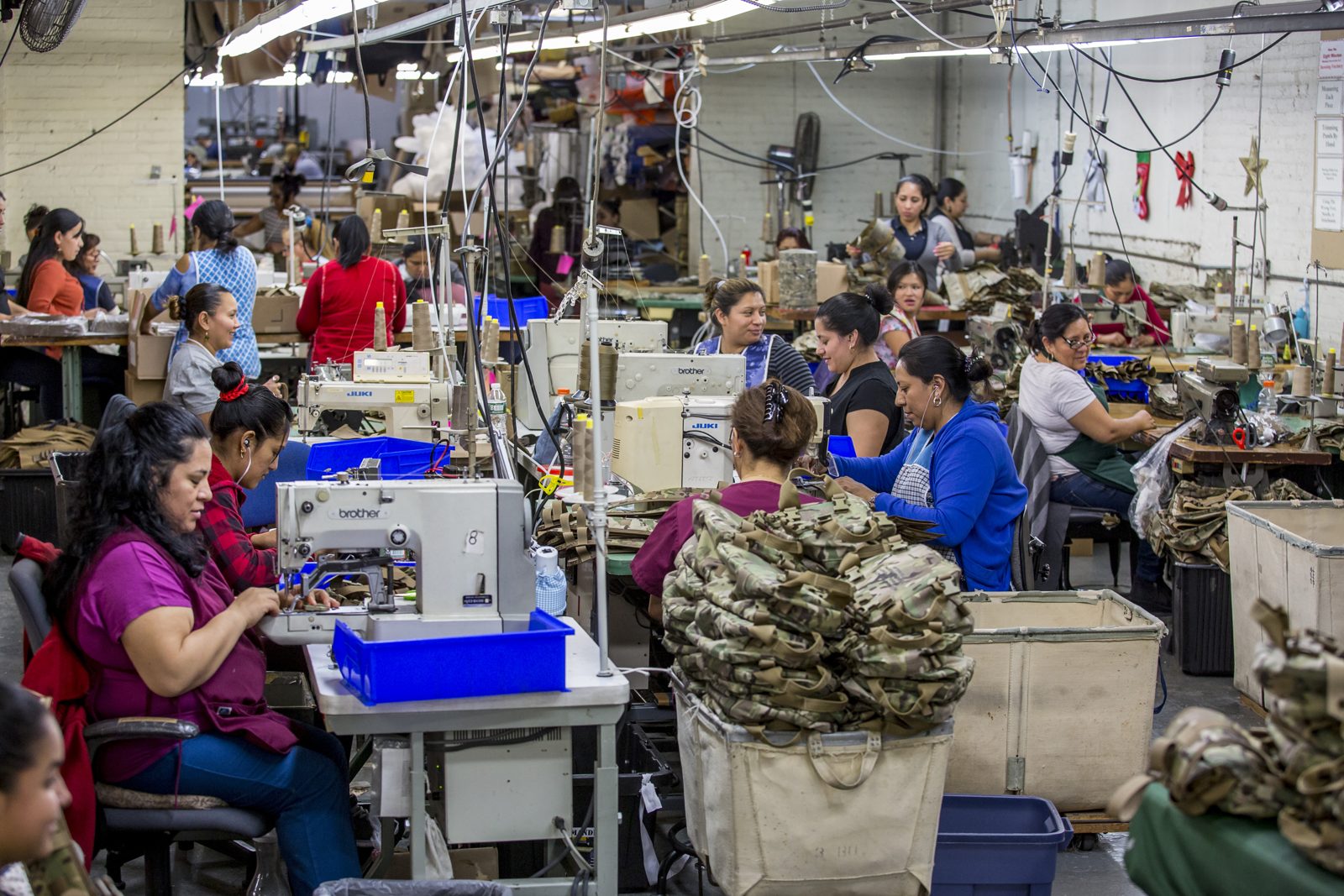
Most losses in manufacturing come from workers lacking knowledge, judgment or authority. A veteran operator doesn’t wait for instructions, hunt for tools or stall when a machine breaks; they solve it themselves. Our 130 production workers (155 employees in all) average 14 years with the company, most of them well over a decade. For a sewing operation that is an extraordinary outlier, and it is why our floor runs with almost no management overhead.
It may take nine months for a sewer to reach full speed on one machine. It can take five years to do that on fifteen different machines, to learn every fabric and component, to repair the machinery, to know the order of operations and what different kinds of customers need. When factory workers don’t need to be managed, when they don’t wait for instructions or spend hours looking for tools or materials, that is when you can pay high wages and still compete with factories overseas. That is what our success boils down to.
Why are experienced workers now a bargain, not a luxury?
The gap between what manufacturers pay new hires and what they pay their most experienced people has narrowed. Rising state minimum wages and worker shortages have pushed up starting pay everywhere, while veteran pay has moved far less. A veteran operator who produces several times the value of a beginner now costs only slightly more. The market is underpricing experience, and a shop full of veterans captures that value. We aren’t paying a steep premium for seniority; we are getting outsized productivity for a small wage difference.
How does Newark help us beat the labor crunch?
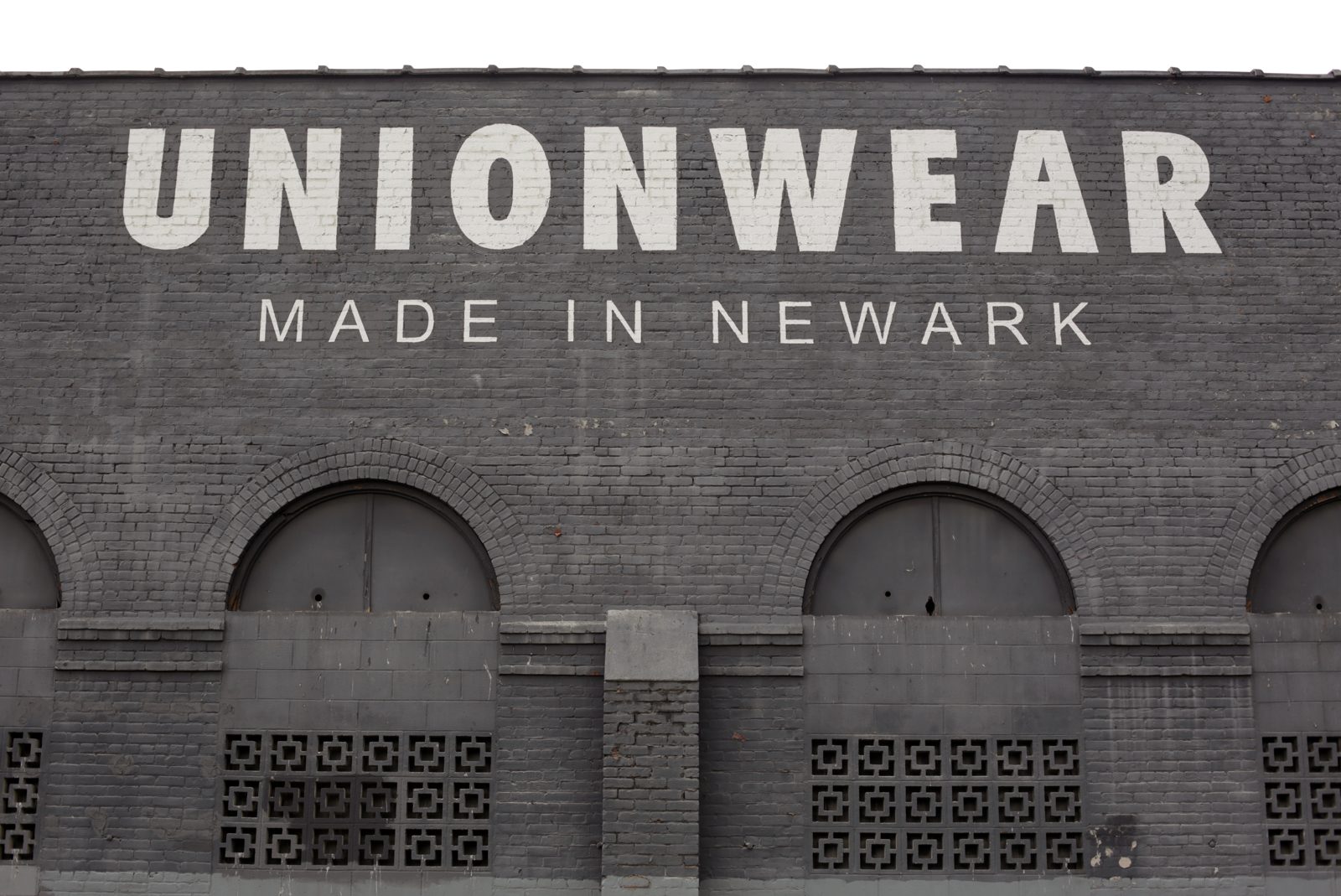
Sewing-labor shortages hit hardest in rural areas of non-union states, where attracting and keeping operators is difficult. An established urban labor market like Newark is deeper, and union seniority and benefits keep people in it. That is no accident: union strength has always concentrated in markets like ours, and it is what lets us find and keep a stable, veteran workforce.
How stable is Unionwear’s workforce, really?
In a typical year we lose no more than five established employees (more than two years on the job) out of 130, under 4% annual turnover in the core workforce. What churn we have happens at the front door, because we screen new hires carefully for the ones who will become permanent. The result is low replacement cost, no constant retraining and a continuously high-skill floor, all of which lower unit cost.
| Non-union USA shop | Unionwear | |
|---|---|---|
| Health coverage | Bought shop by shop at for-profit pricing | Pooled, nonprofit-run multiemployer plan |
| ACA penalty exposure | Managed by each employer alone | Shielded by multiemployer-plan contribution |
| Average tenure | Varies, typically short | 14 years |
| Core workforce turnover | Varies year to year | Under 4% a year |
| Management overhead | Less-experienced staff need constant direction | Veterans self-manage |
| Hidden downtime | Workers wait on tools, materials, repairs | Veterans solve problems in real time |
What does this mean if you’re sourcing American-made products?
If you’ve avoided union-made domestic products because you assumed they cost more, get a quote from us and compare. Cheaper nonprofit health coverage, automatic ACA protection and a deep bench of veterans who run the floor without management make a union shop the lowest-cost American option, with the quality only experience delivers. Request a quote or call us.
Published November 2026. Refreshed quarterly; changes are noted here.


