
 Dad Caps
 Five Panel Hats
 Mesh Back Hats
 In Stock Blanks
 Snapback Hats
 Stretchfit Hats
 Duffel Bags
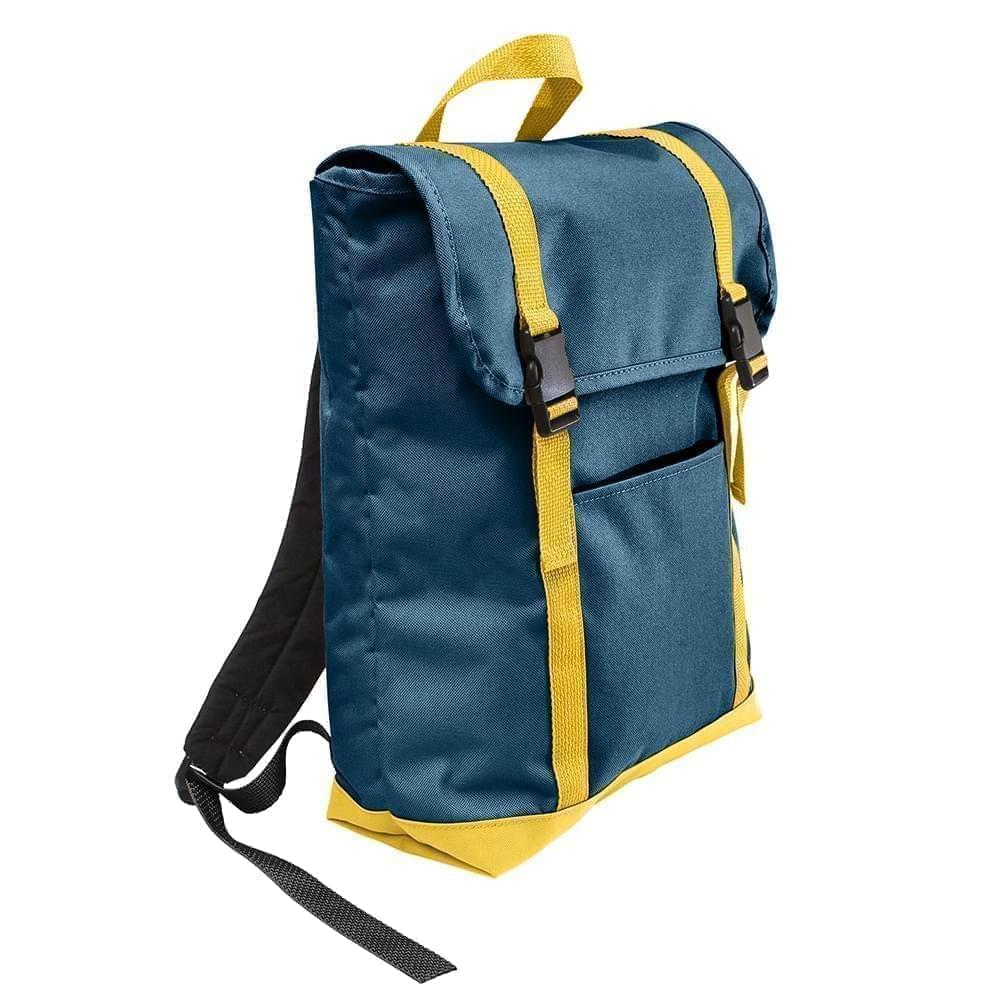 Backpacks
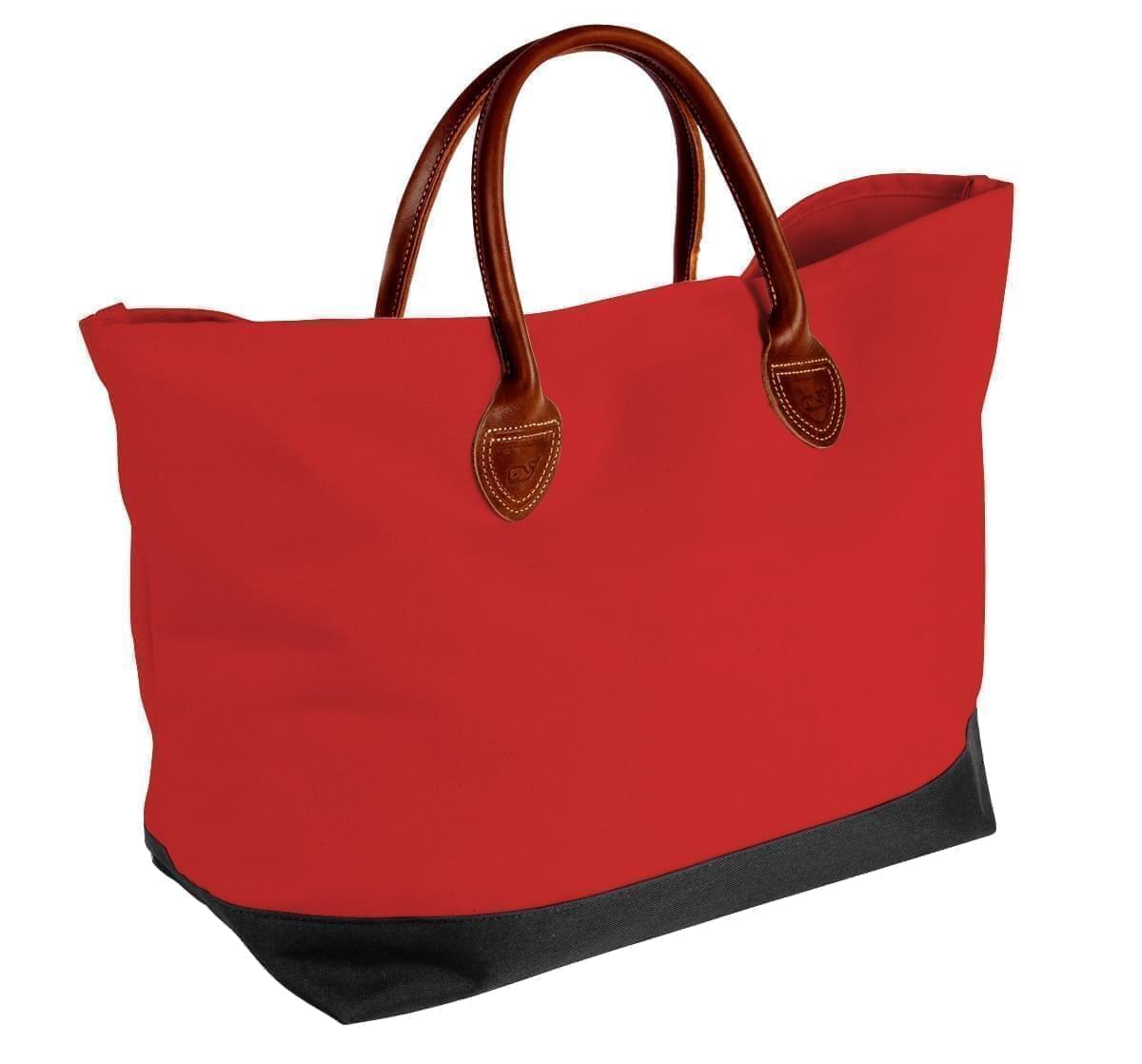 Tote Bags
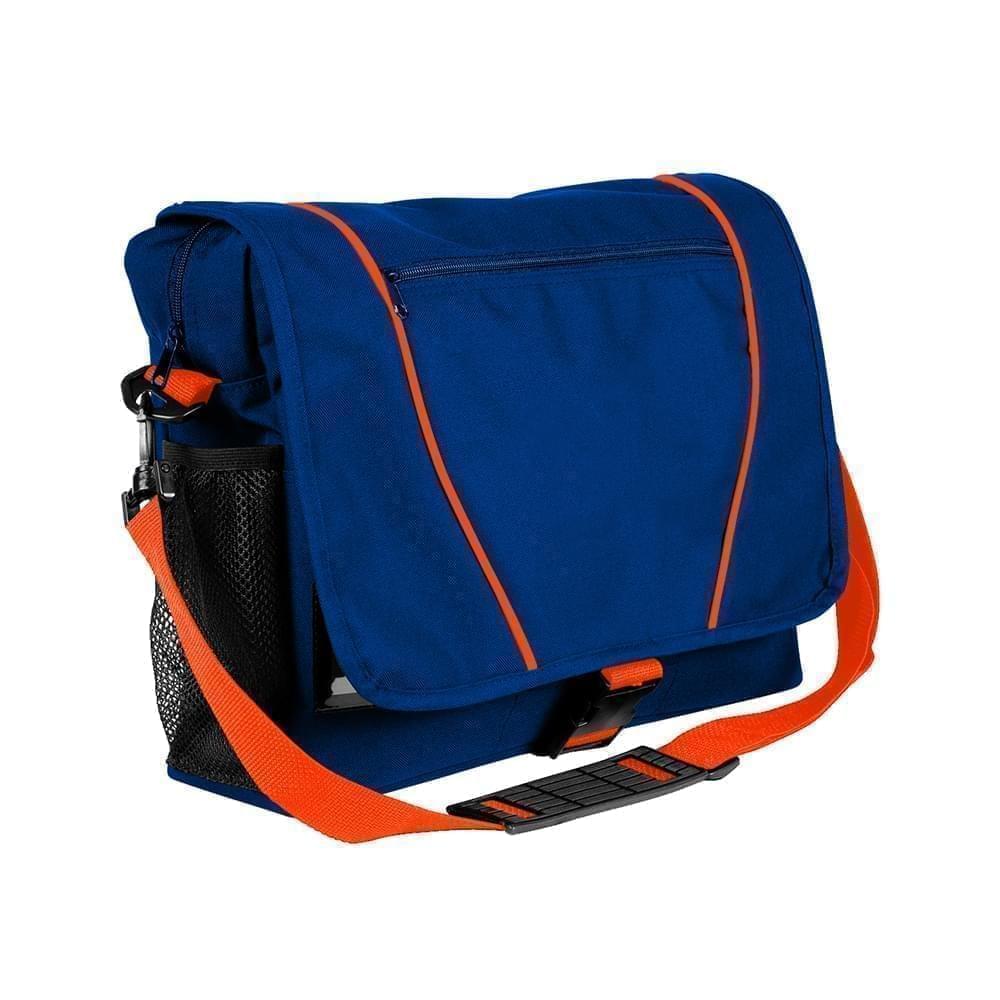 Computer Bags
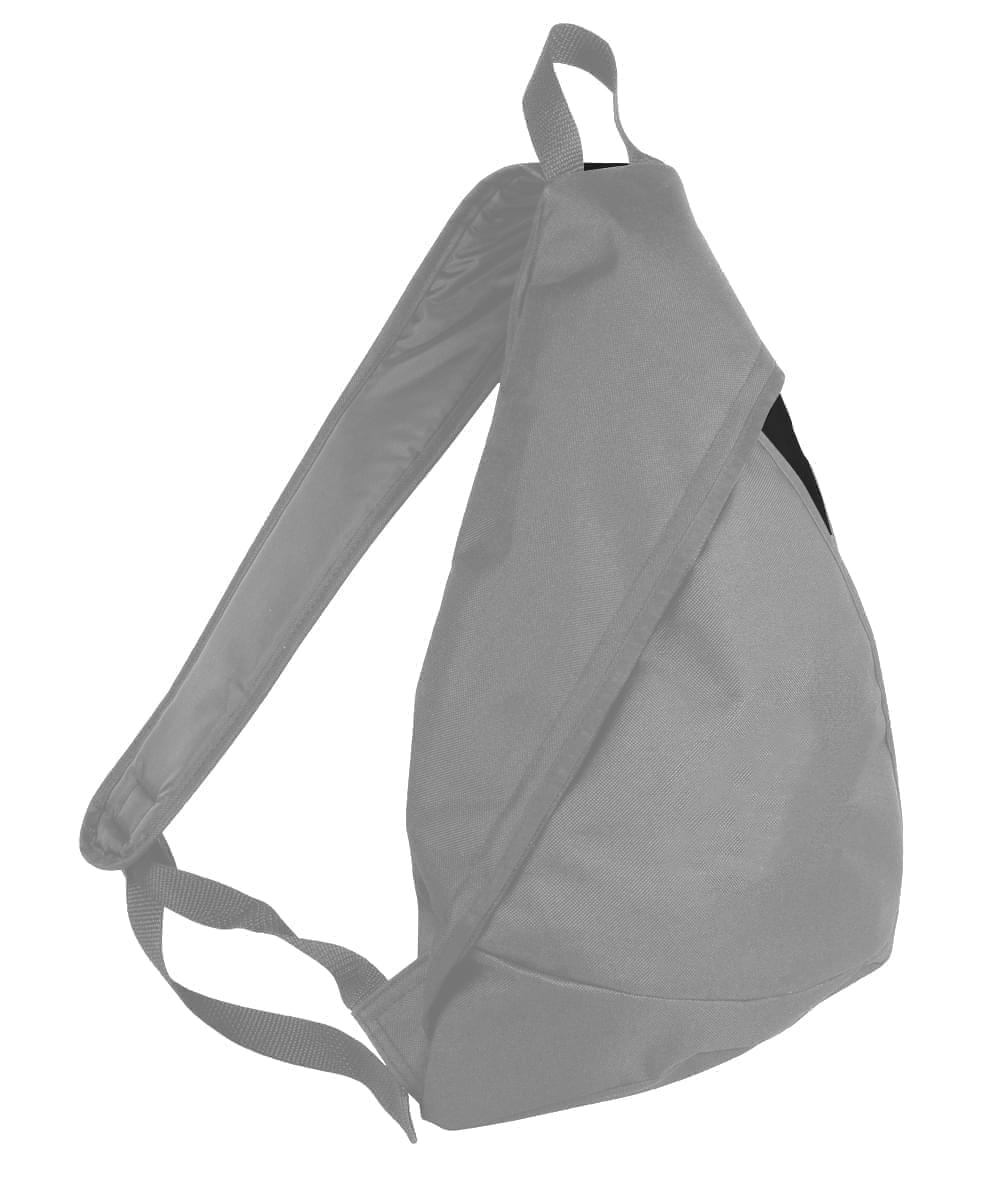 Sling Messenger Bags
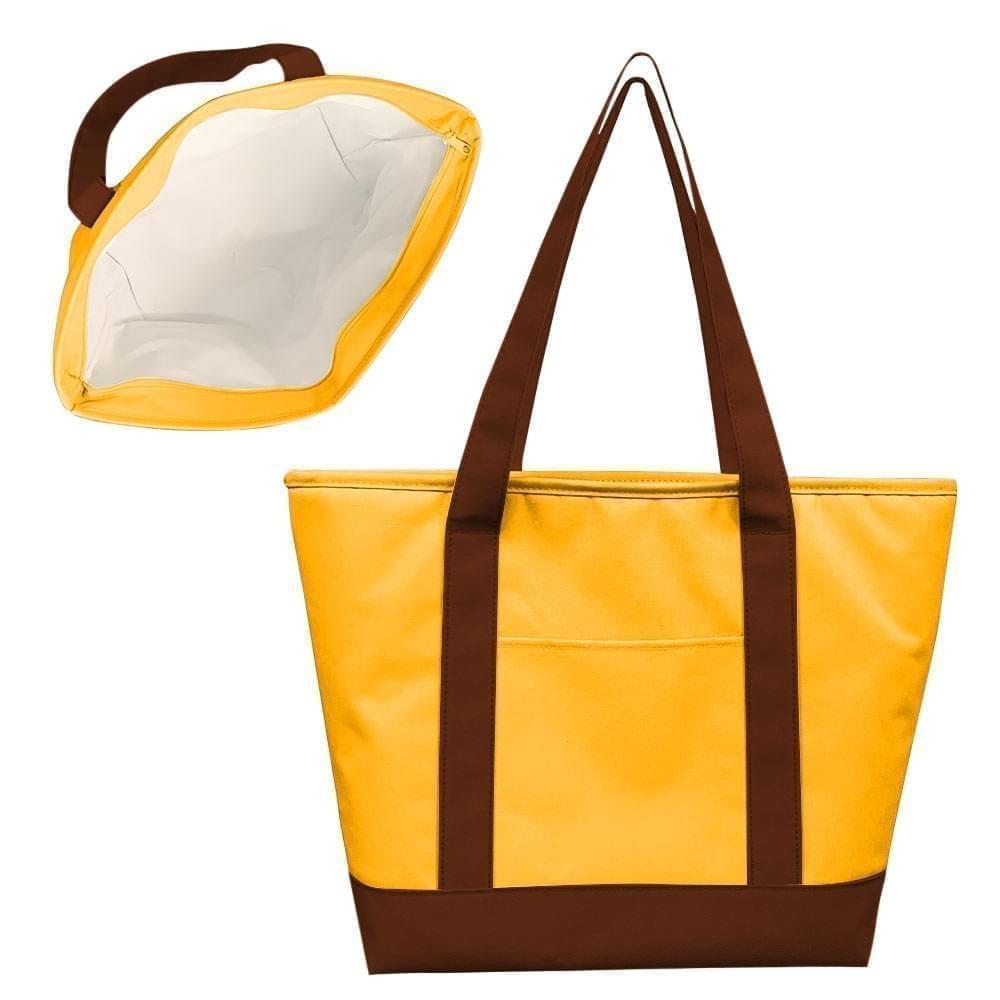 Cooler Bags
 Cuff Hats
 Beanies
 Scarves
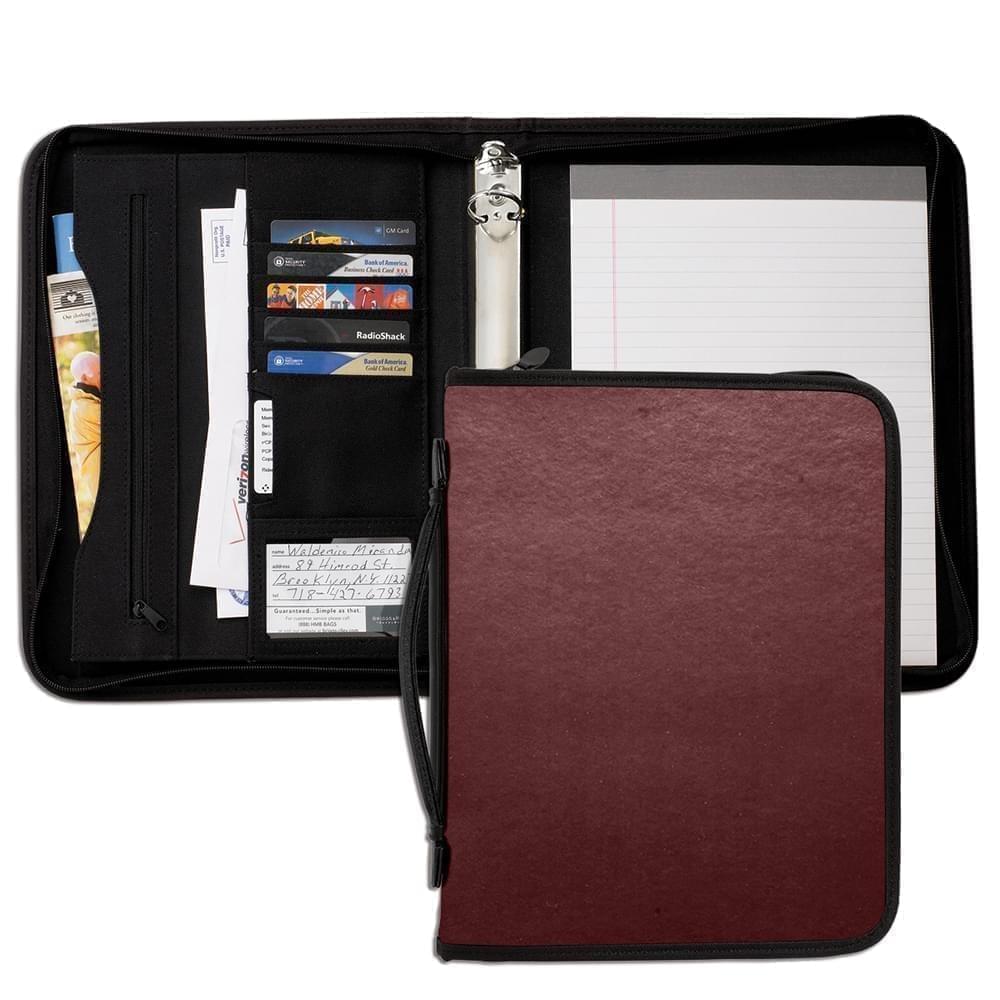 Zipper Folders
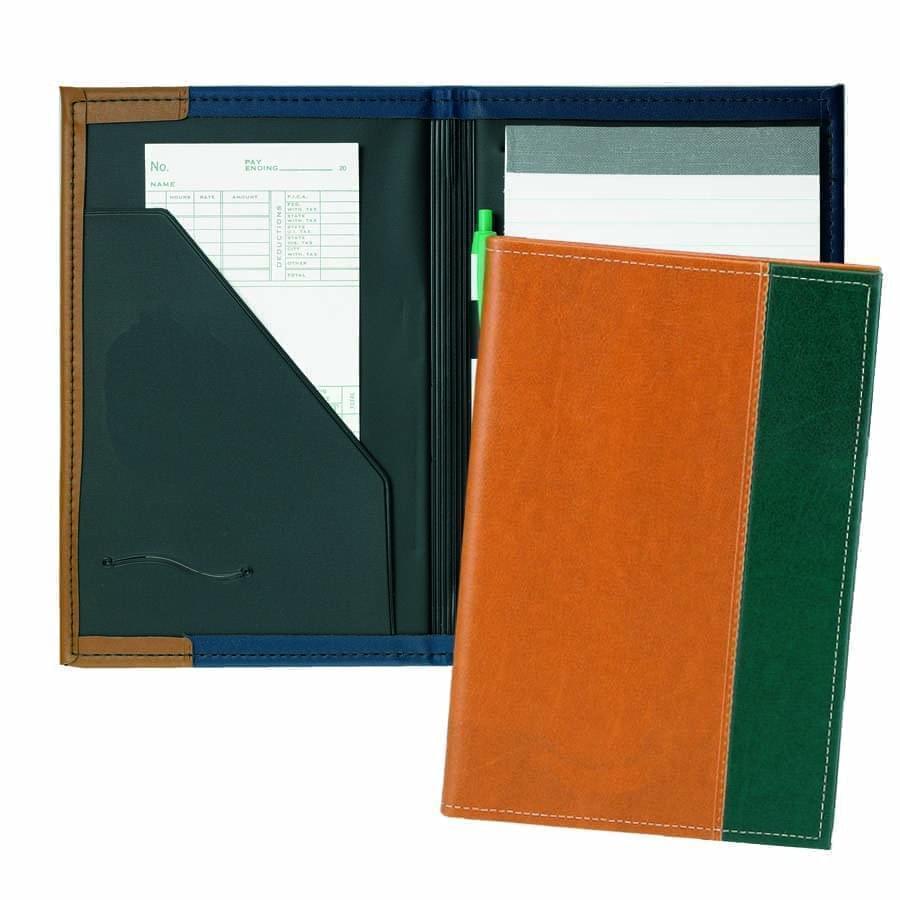 Stitched Folders
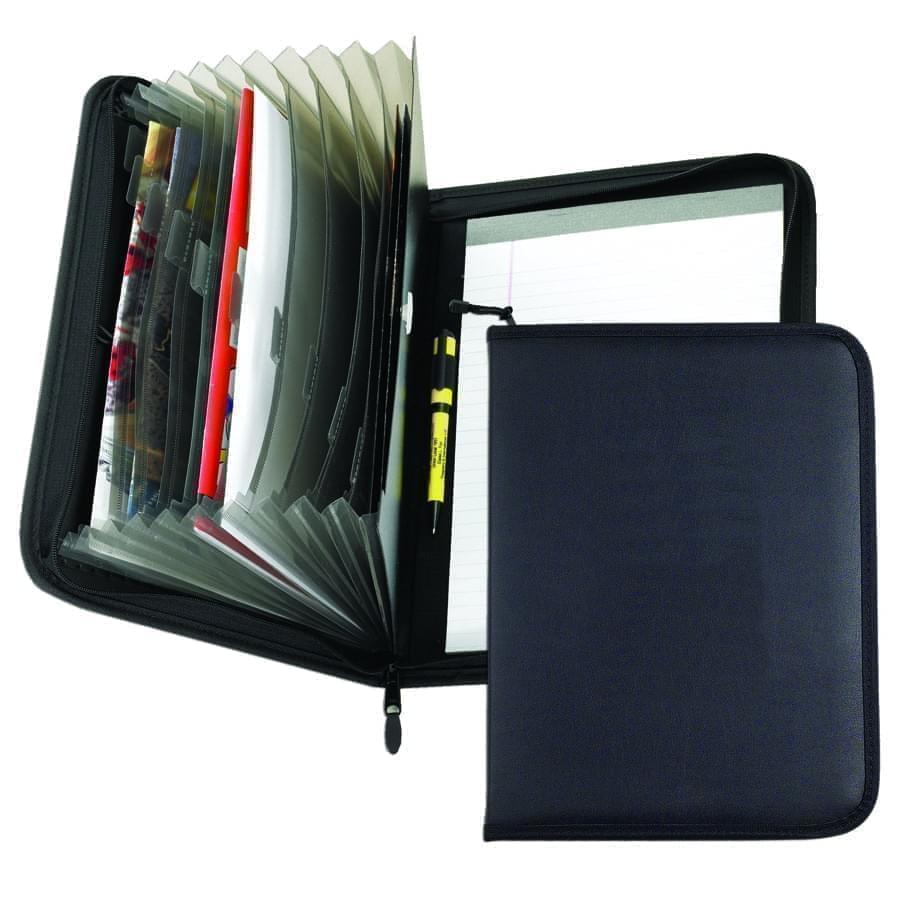 Accordion Folders
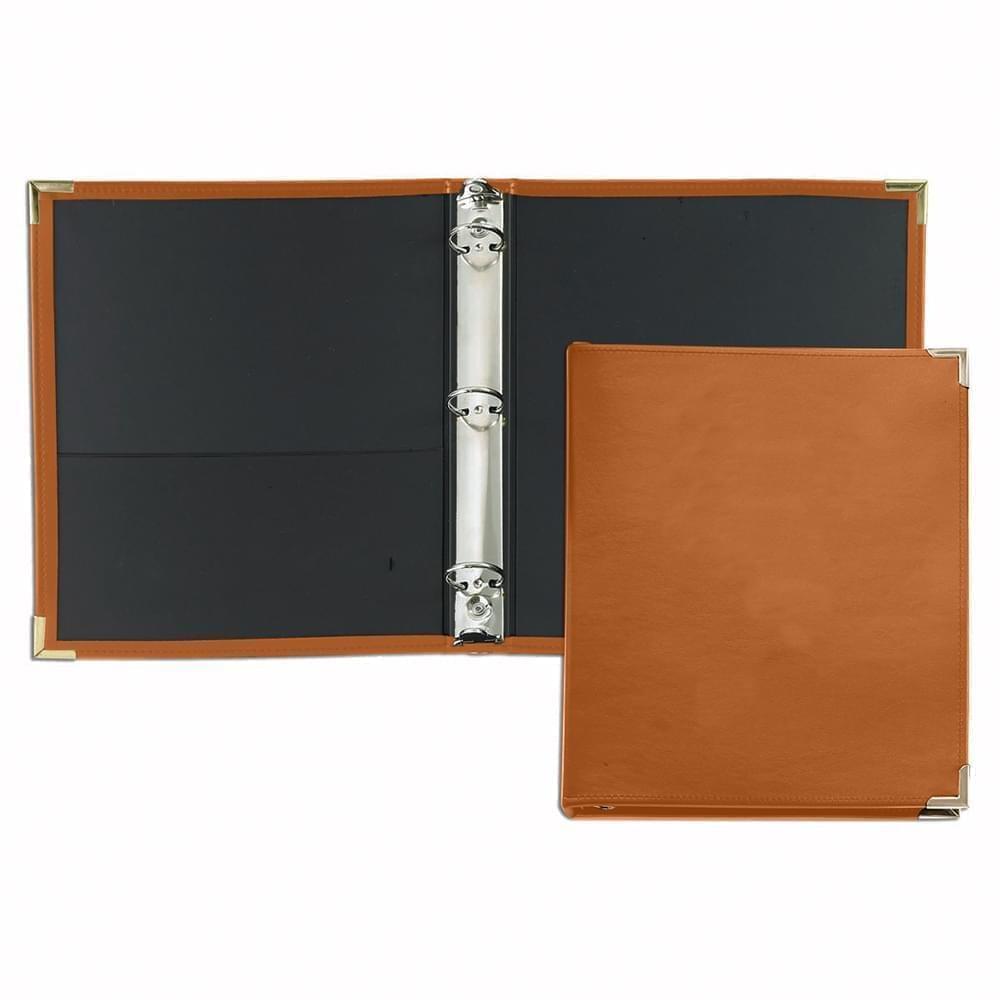 Ring Binders
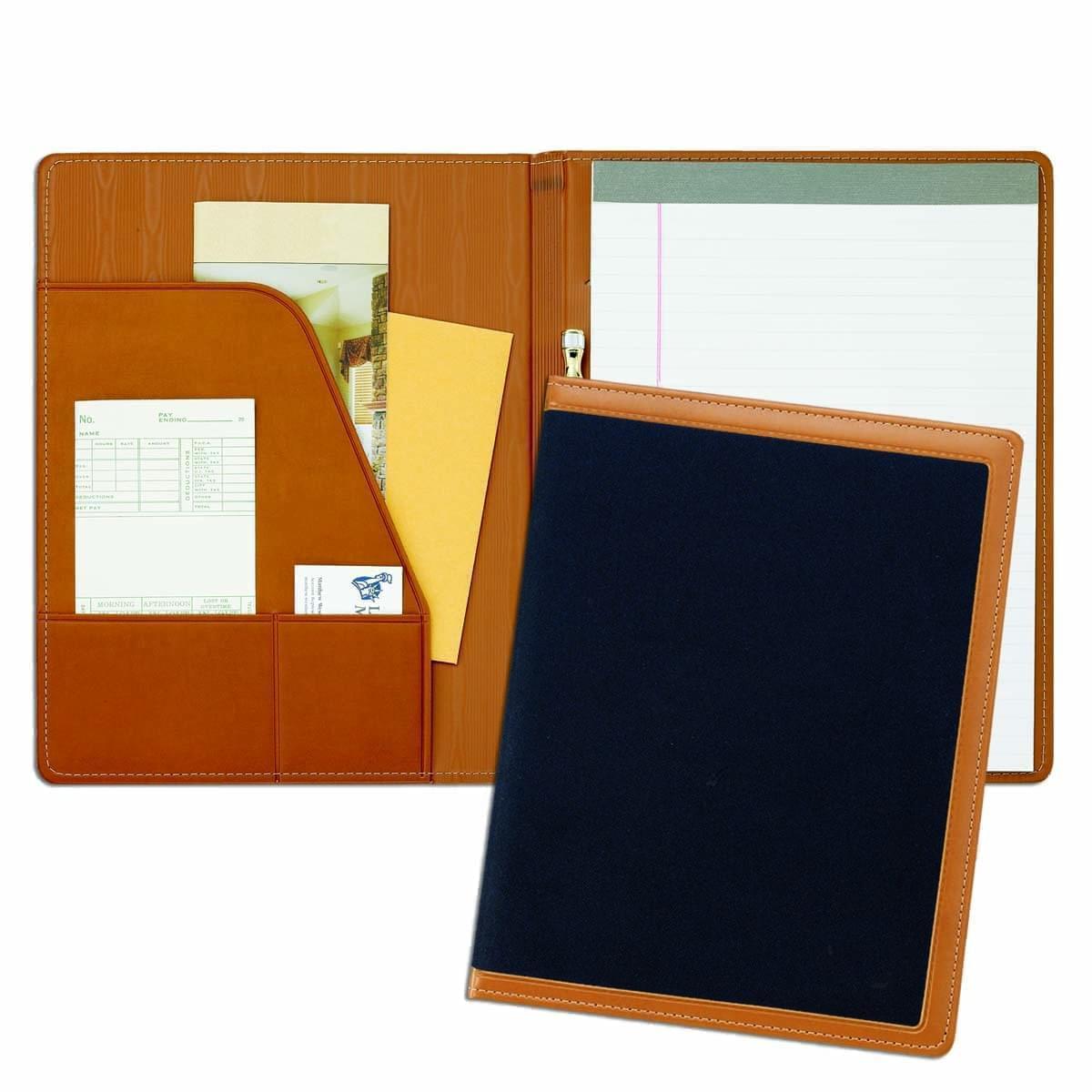 Letter Folders
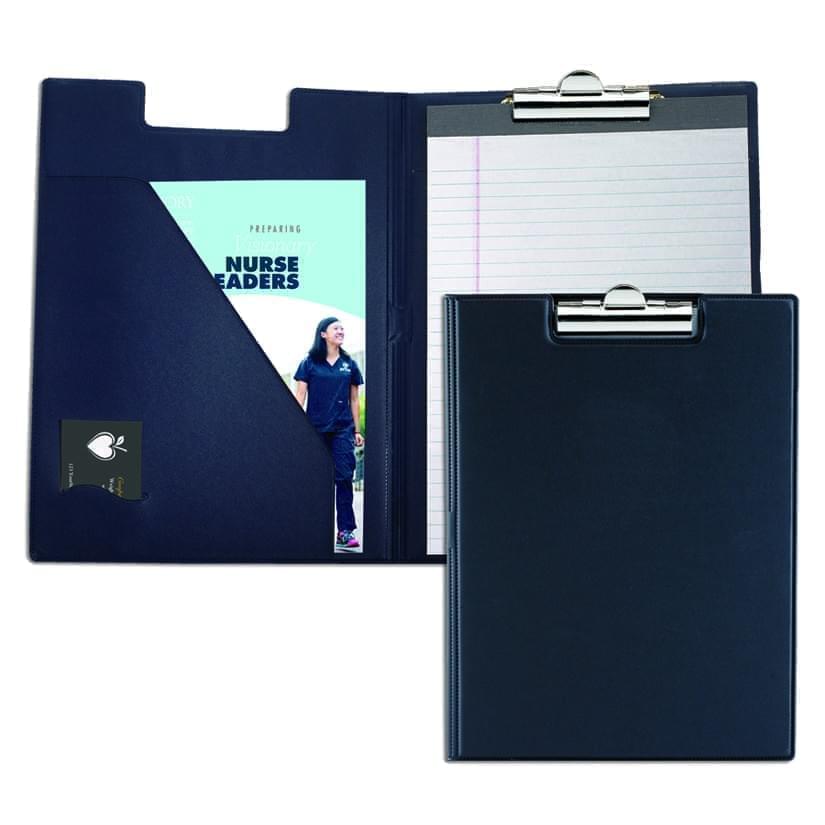 Clipboards

 Union Made In USA
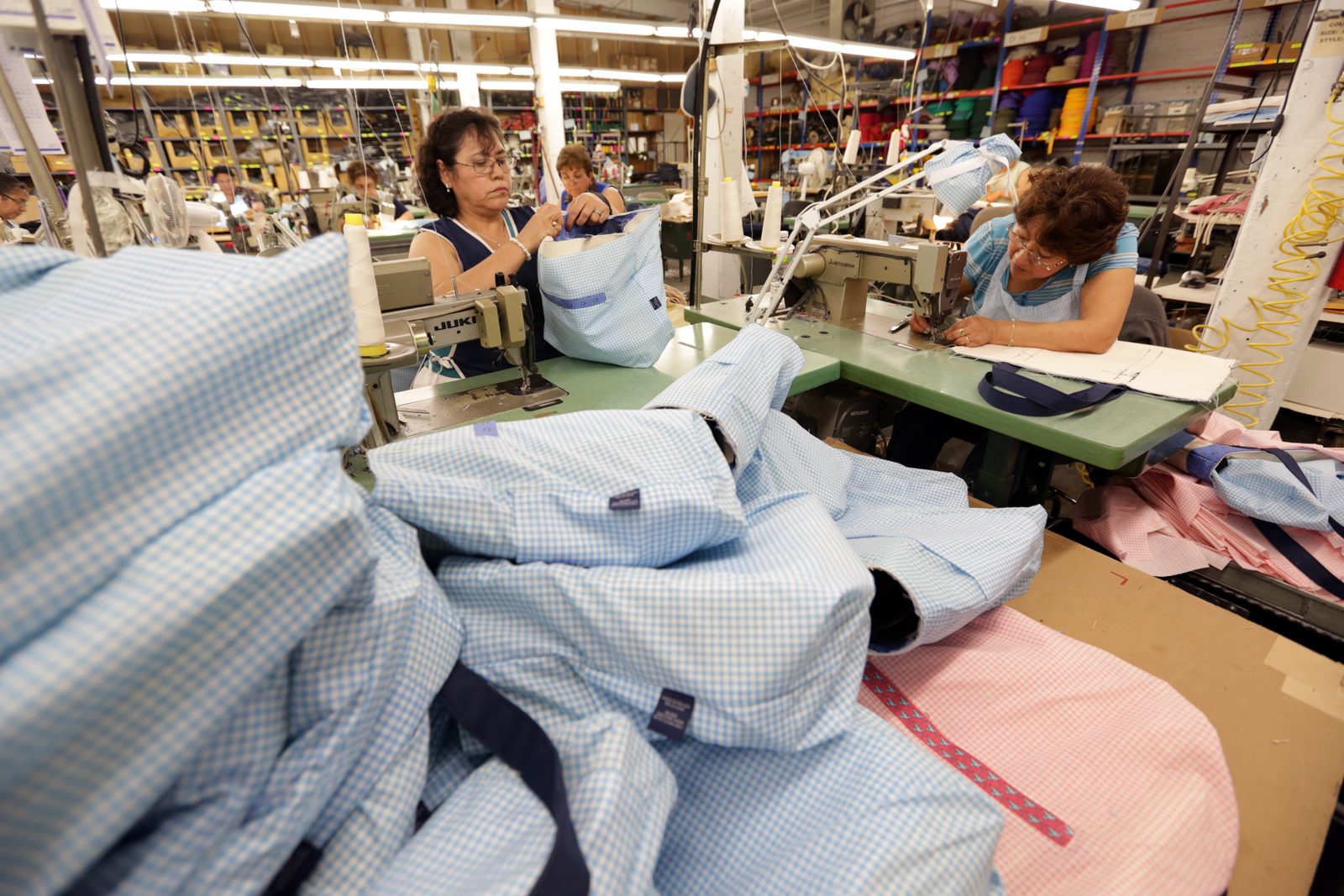
By Mitch Cahn, President, Unionwear
Buyers stay focused on unit price, but unit price is not total cost. Once you count freight, duties, tariffs, inventory carrying cost and the cost of stockouts and overstocks, domestic production is the lower-cost choice far more often than the sticker price suggests, especially on orders up to a few thousand units.
What is total cost of ownership, and why does unit price mislead buyers?
Total cost of ownership (TCO) is the all-in cost of a purchased product: the quoted unit price plus everything that comes with it. Harry Moser, founder of the Reshoring Initiative, counts 29 hidden costs that unit price ignores, among them supply-chain disruptions, unpredictable lead times, duties, freight, tariffs, intellectual-property risk and extra packaging. A lower overseas sticker price is often hiding a higher total cost. Smart procurement compares total cost, not unit price.
Moser puts it simply: the FOB price plus the hidden costs equals the total cost. Companies spent decades reflexively looking offshore. Once all costs and risks are counted, domestic sourcing is often the more profitable choice, and the key, in his words, is to get buyers to “stop looking at just the price.”
At what order size does US-made actually cost less than imported?
Moser has used our made in USA baseball caps as an example of the reshoring case. His total-cost analysis found that USA-made hats cost less than Chinese-made hats on a full total-cost basis on orders up to about 5,000 units when the imports move by air freight. The cost of fast freight wipes out the overseas unit-price advantage up to that quantity.
That makes sense once you look at how freight has shifted. With slow ocean freight, the crossover point where domestic total cost was lower sat around 500 hats. As buyers needed speed and goods moved by air, and as duties and tariffs rose, the crossover climbed toward 5,000. The faster you need the product, the more the math favors domestic.
How much does a delayed or out-of-stock order really cost?
A long, unpredictable overseas lead time is not an inconvenience; it is a measurable loss that a low unit price does not offset. IHL Group’s inventory-distortion research puts the global cost of out-of-stocks and overstocks at $1.77 trillion in 2023. Consumers punish delays: in an Oracle survey of more than 1,000 US consumers (October 2021), 84% said shipping delays would lead them to cancel an order and 80% said delays or shortages would make them stop buying from a brand entirely. In promotional products, where most shipments are tied to an event, a late order can make the whole shipment worthless.
How can smaller, faster production runs protect margins?
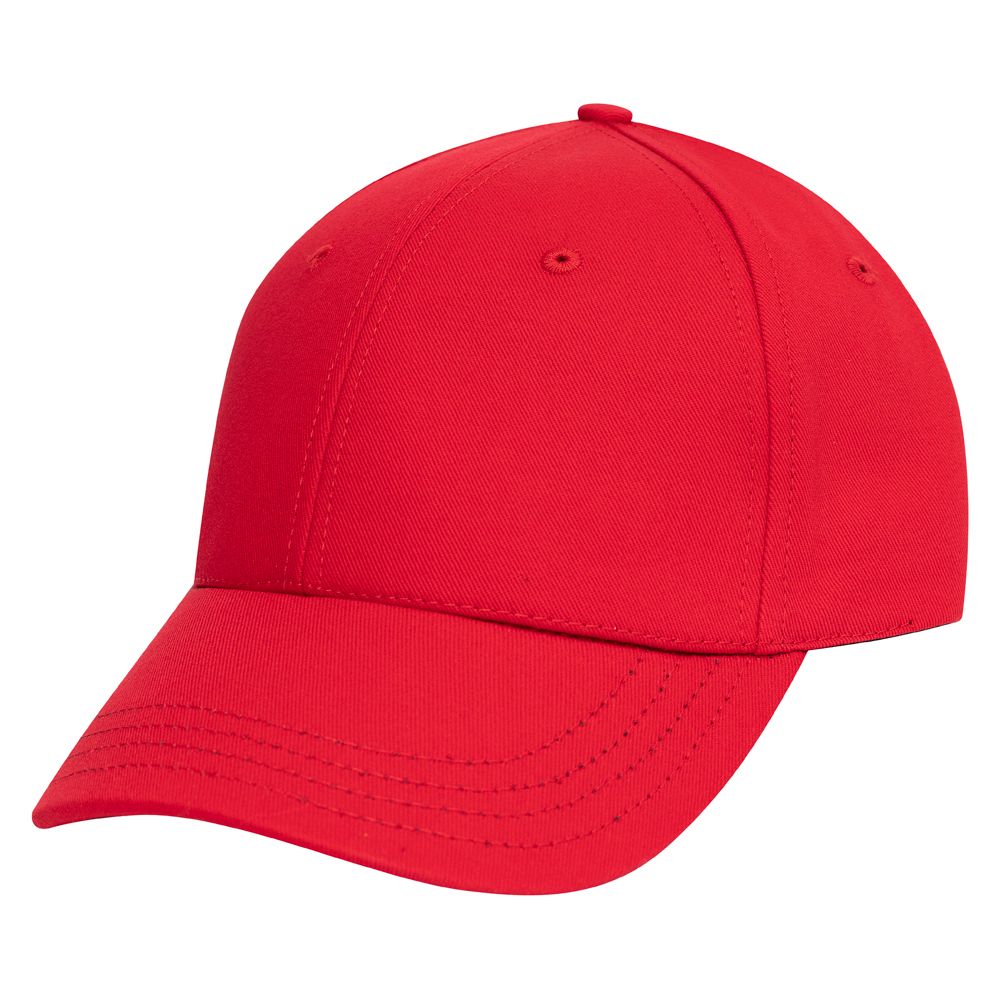
Long overseas lead times force you to guess demand months ahead and over-order to be safe. The usual ways out are to under-stock or to mark down the excess. Short lead times let you order smaller runs that match real demand, respond to what customers are buying, and protect margin. Smaller runs that sell at full price beat large overseas runs discounted to clear excess inventory. At the extreme, our blank hats in stock ship in a day or two, so the run can be as small as the event.
Are there benefits to domestic production beyond cost?
Yes. Beyond total cost, the Reshoring Initiative points to environmental benefits (cleaner US electricity, far less long-distance transport, less overproduction and waste) and social ones: no forced labor in the supply chain, regulated workplace safety, support for local communities and a role in rebuilding the US middle class.
How do you run your own total-cost comparison?
Start with your quoted unit price, then add freight, duties, tariffs, inventory carrying cost, the risk cost of delays and overstocks, expedite costs, IP risk and extra packaging. Then get a domestic quote and compare total cost, not unit cost. The Reshoring Initiative’s free TCO Estimator walks through every one of these inputs.
| Cost factor | Shows up in unit price? | Who it favors |
|---|---|---|
| Quoted (FOB) unit price | Yes | Often imports |
| Freight, especially air | No, hidden | Domestic, especially on fast timing |
| Duties and tariffs | No, hidden | Domestic |
| Inventory carrying cost | No, hidden | Domestic, with shorter lead times |
| Stockout and overstock losses | No, hidden | Domestic |
| Margin lost to discounting excess | No, hidden | Domestic, for smaller runs |
| Lead-time risk and lost loyalty | No, hidden | Domestic |
What does this mean for your next order?
If you are comparing an import quote to a domestic one on unit price alone, you are not comparing costs. Run the total-cost math on your next hat or wholesale tote bag order, then request a quote from us and put our number in the comparison.
Published November 2026. Refreshed quarterly; changes are noted here.


