
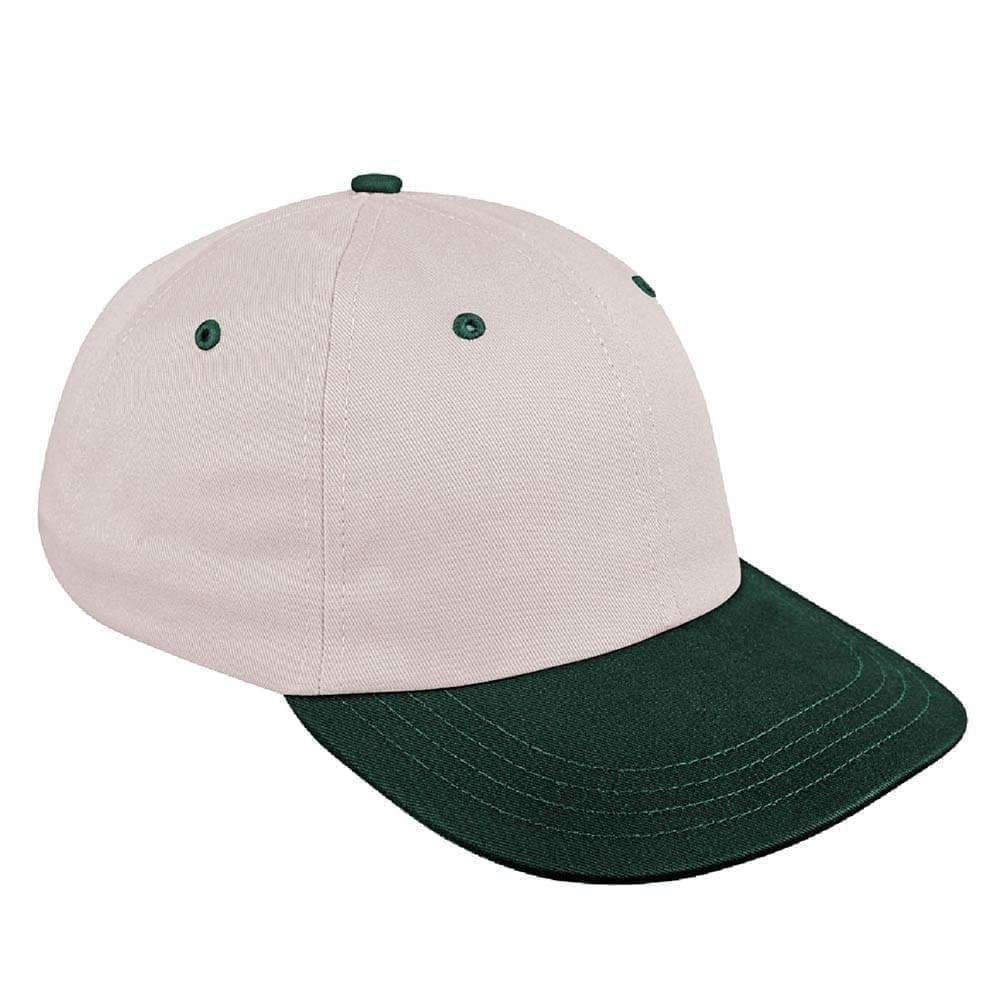
 Dad Caps
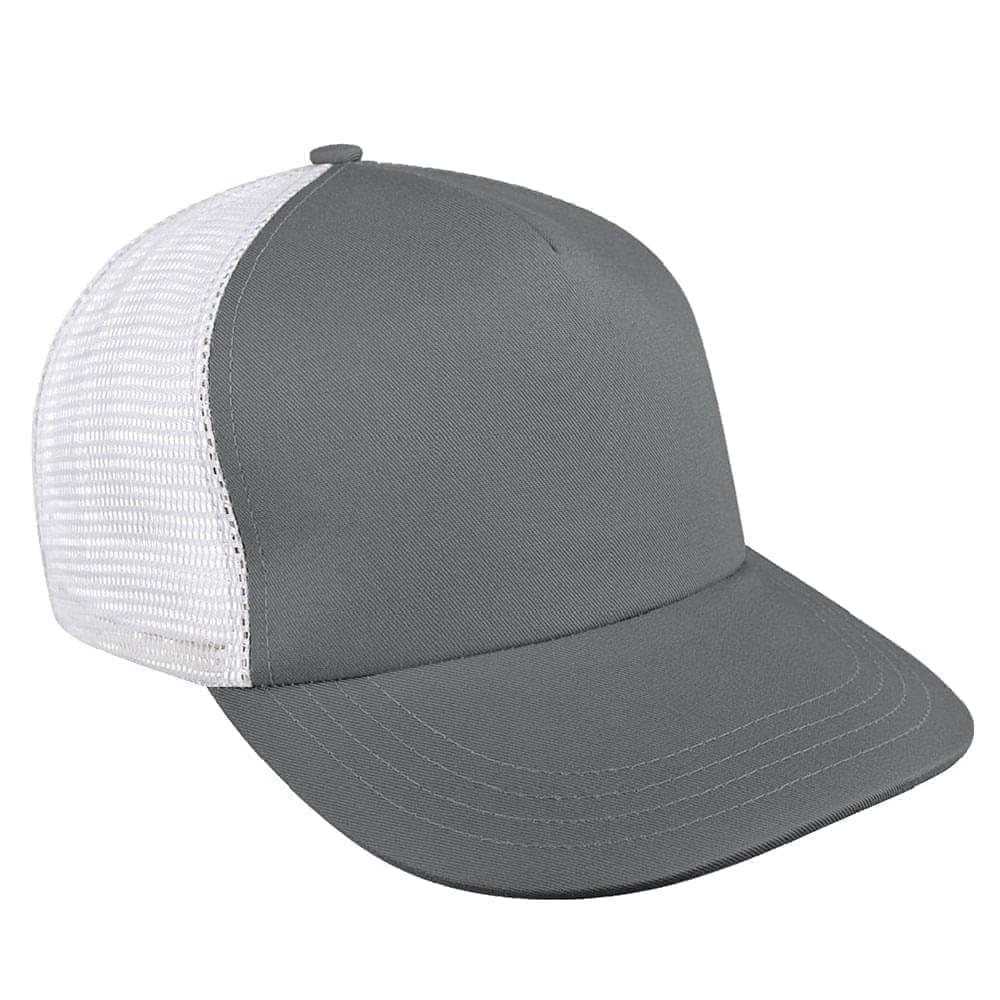 Five Panel Hats
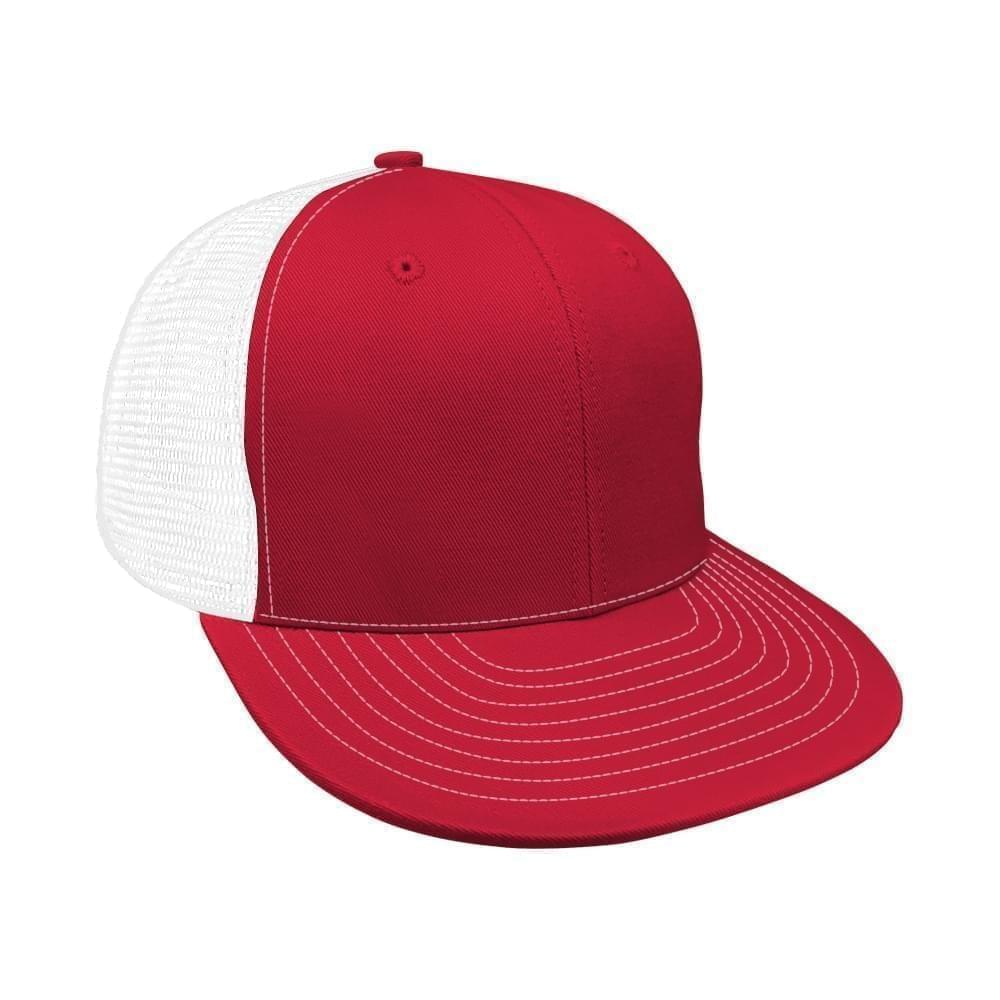 Mesh Back Hats
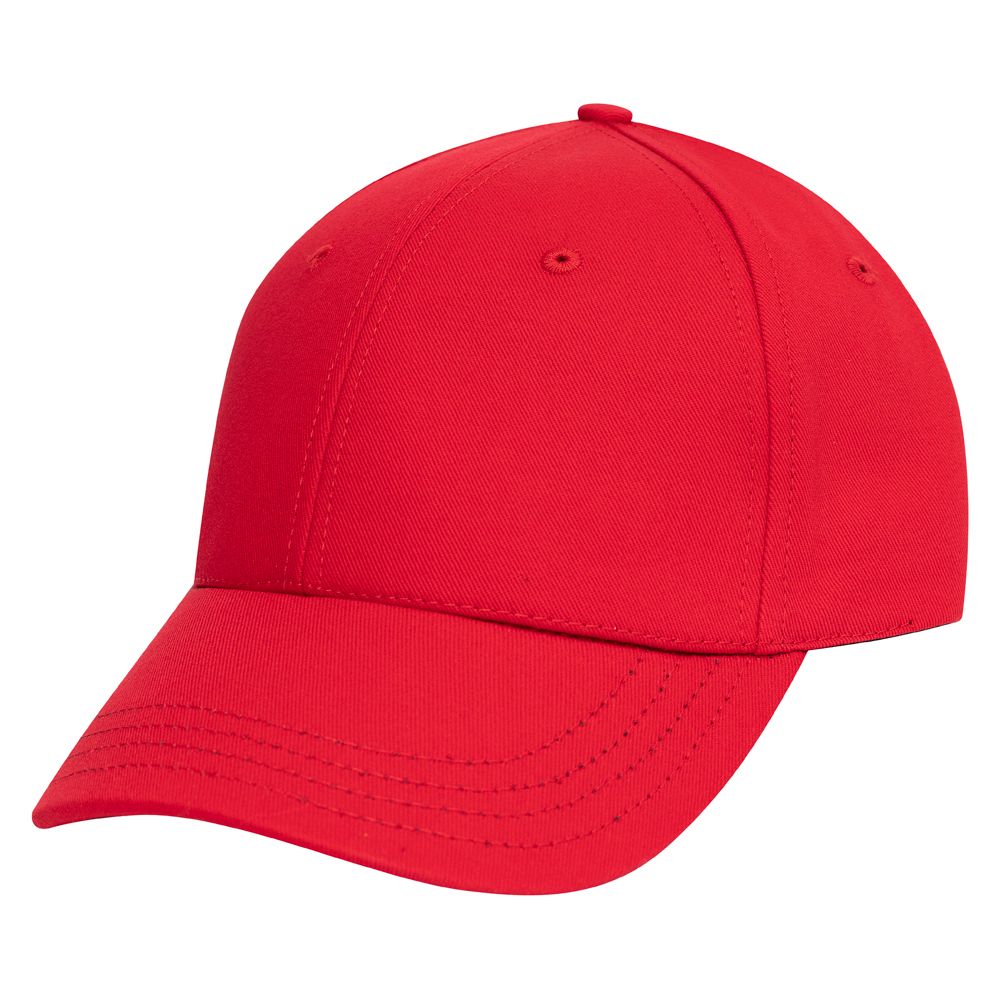 In Stock Blanks
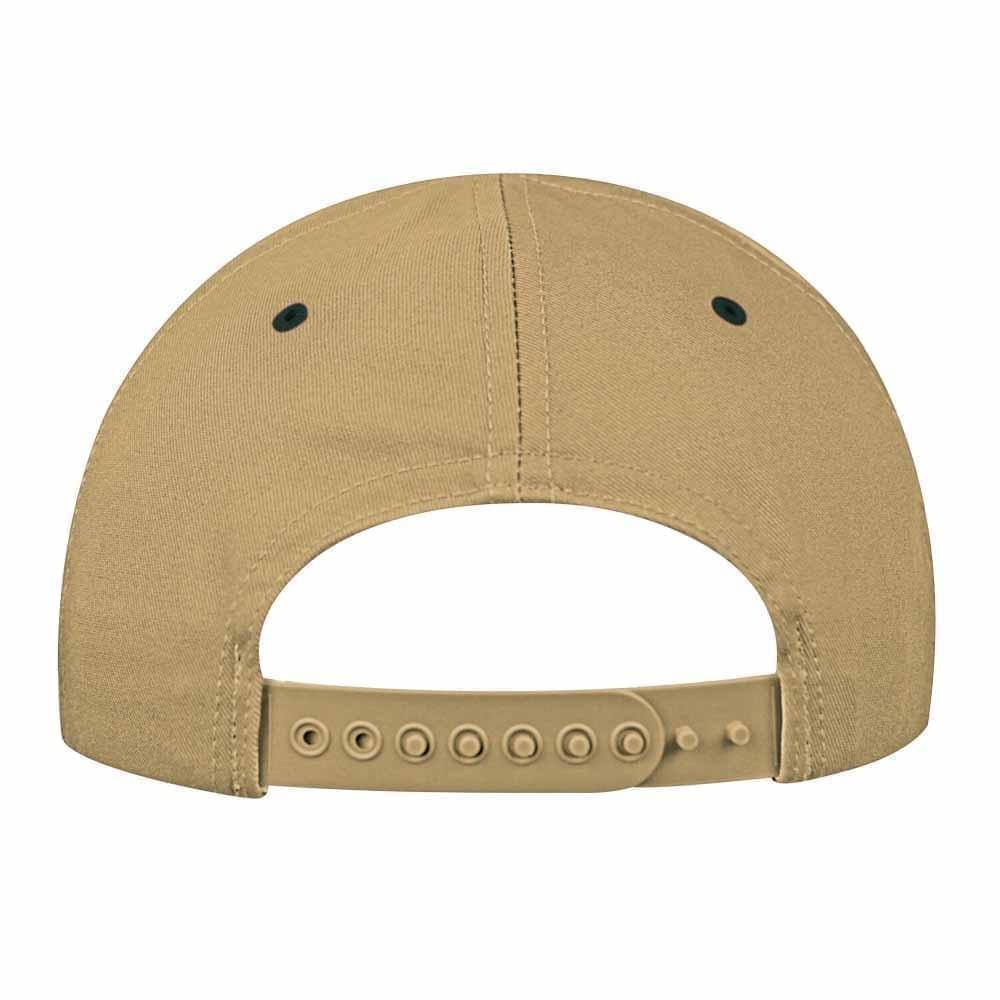 Snapback Hats
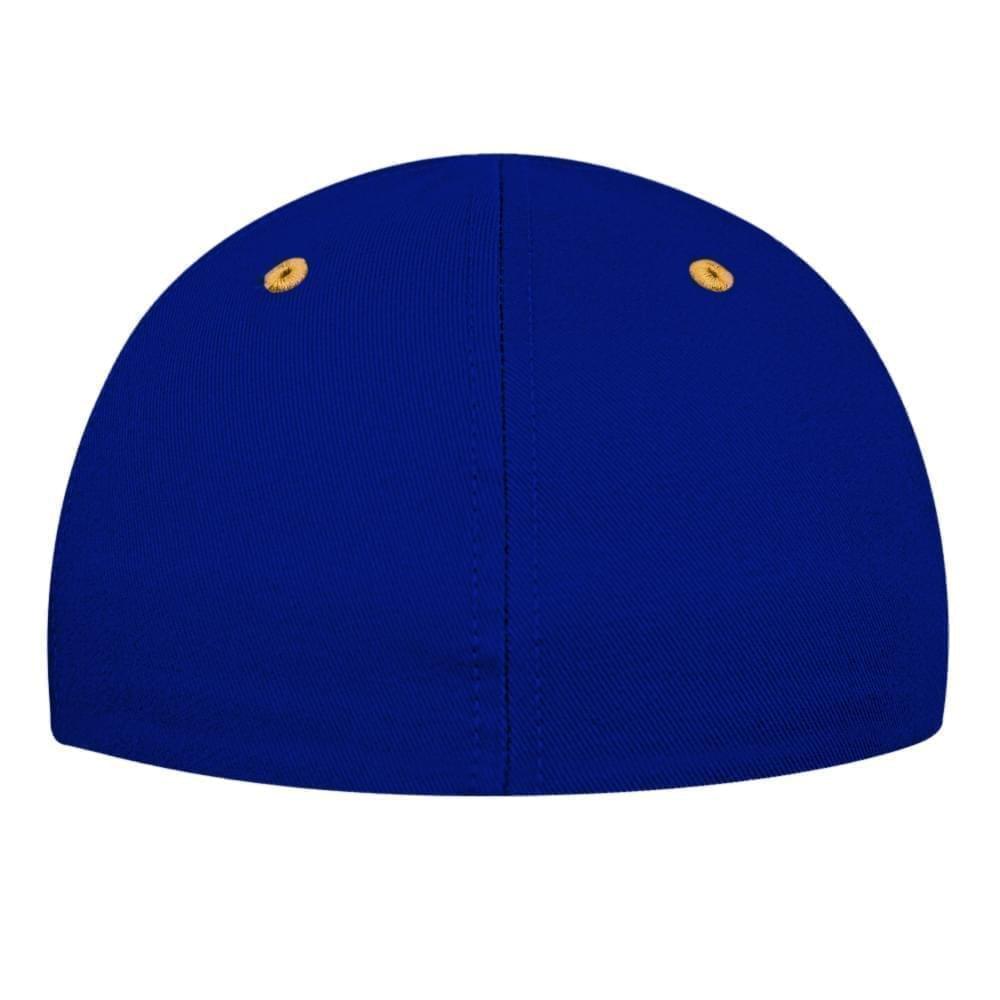 Stretchfit Hats
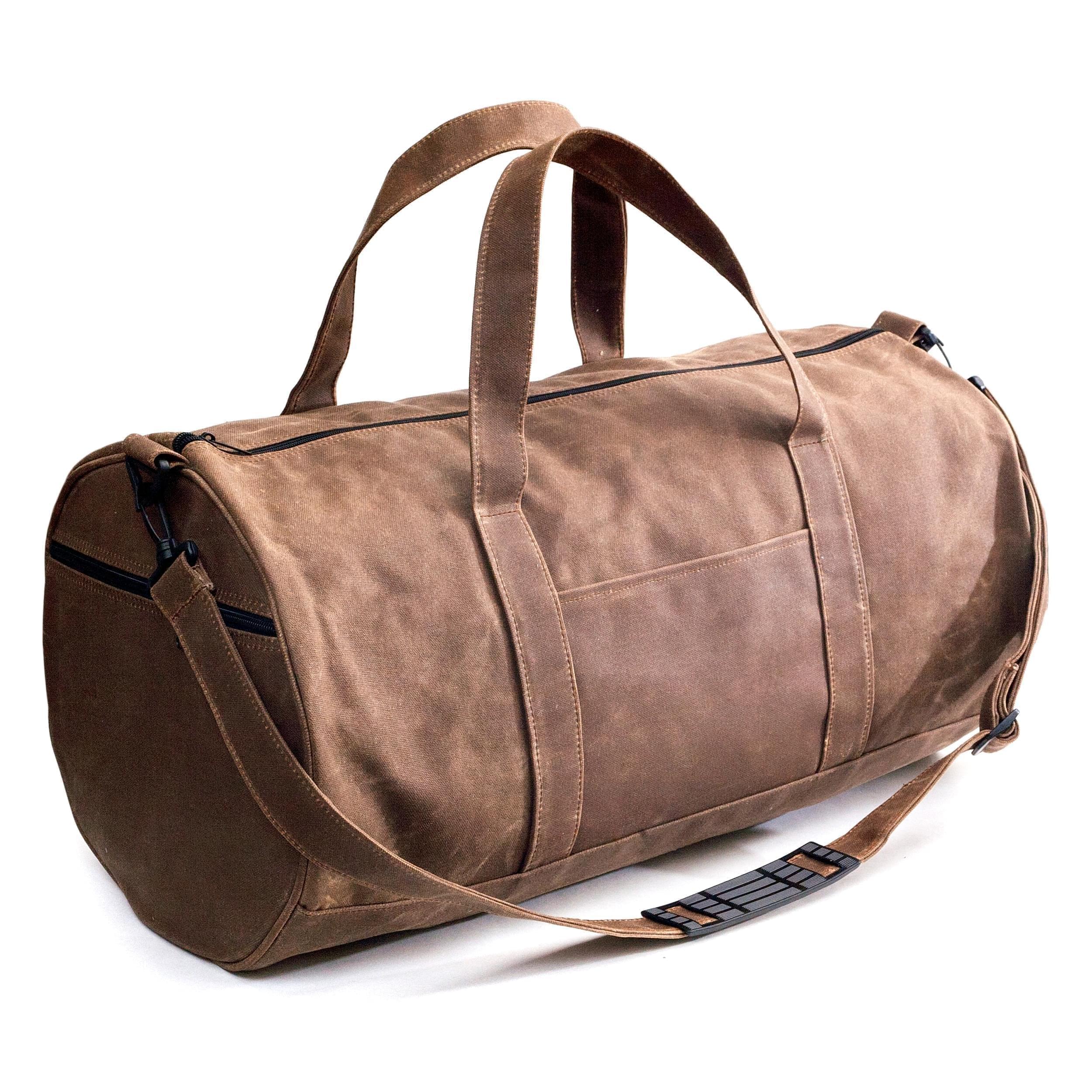 Duffel Bags
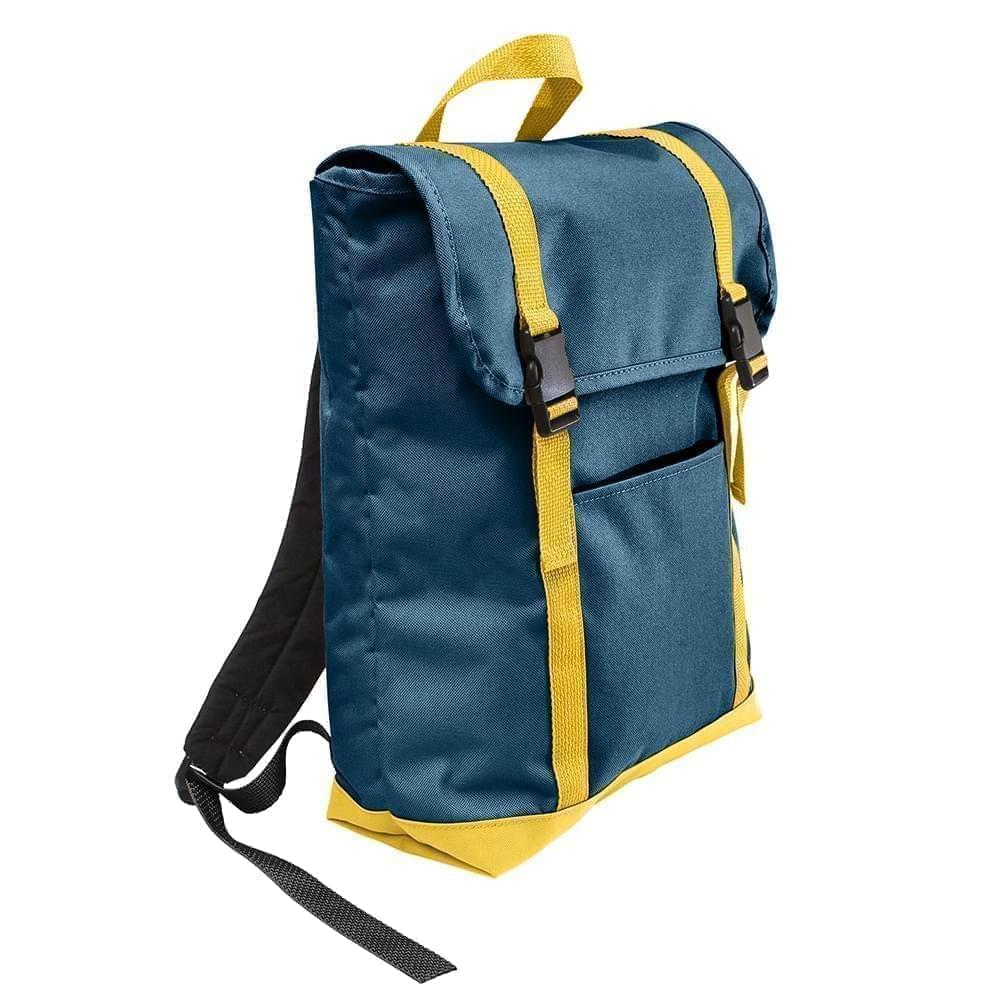 Backpacks
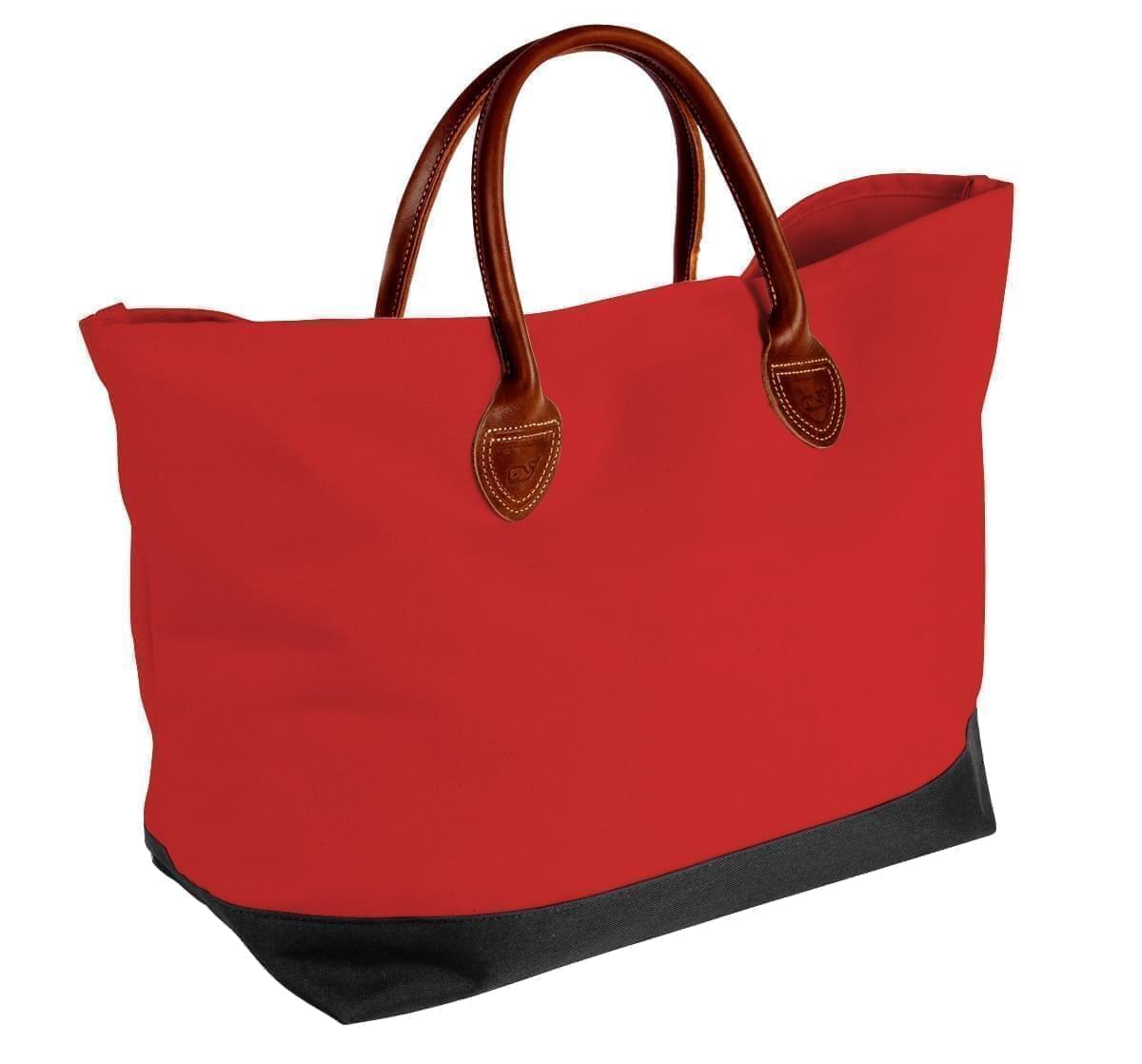 Tote Bags
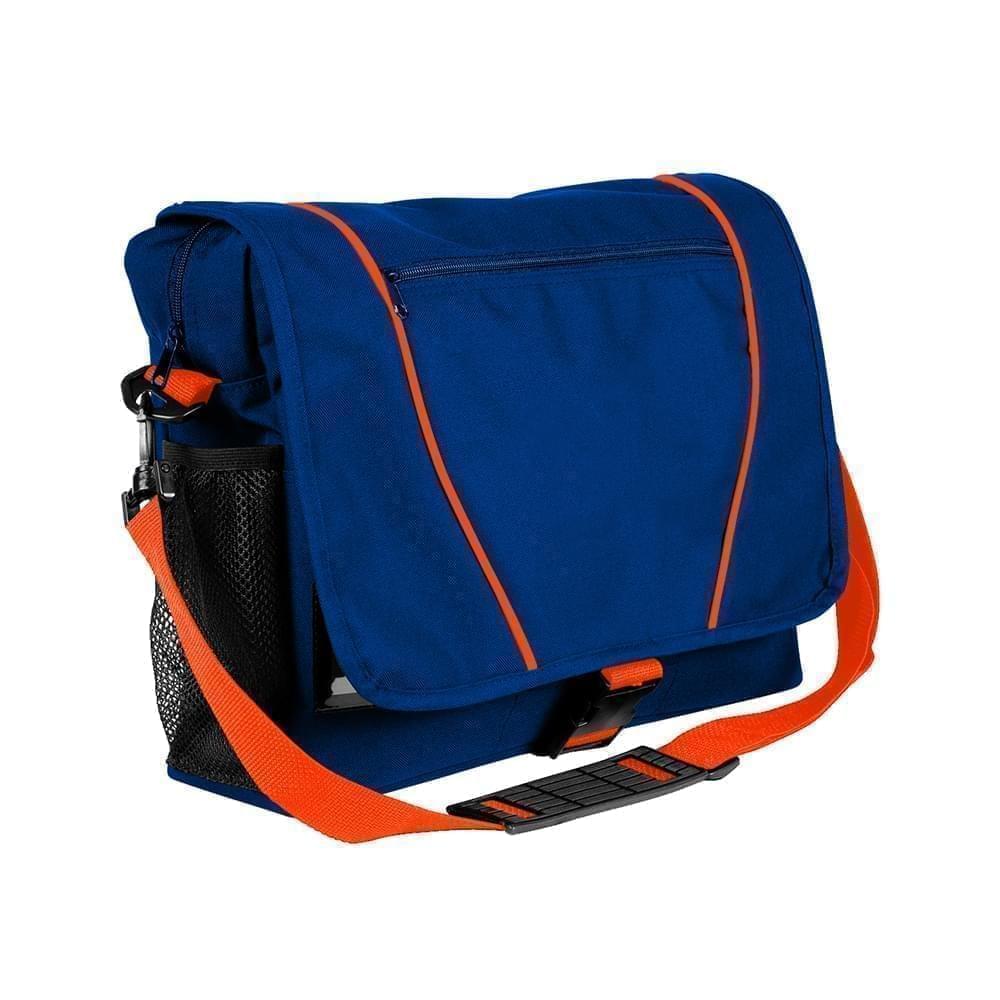 Computer Bags
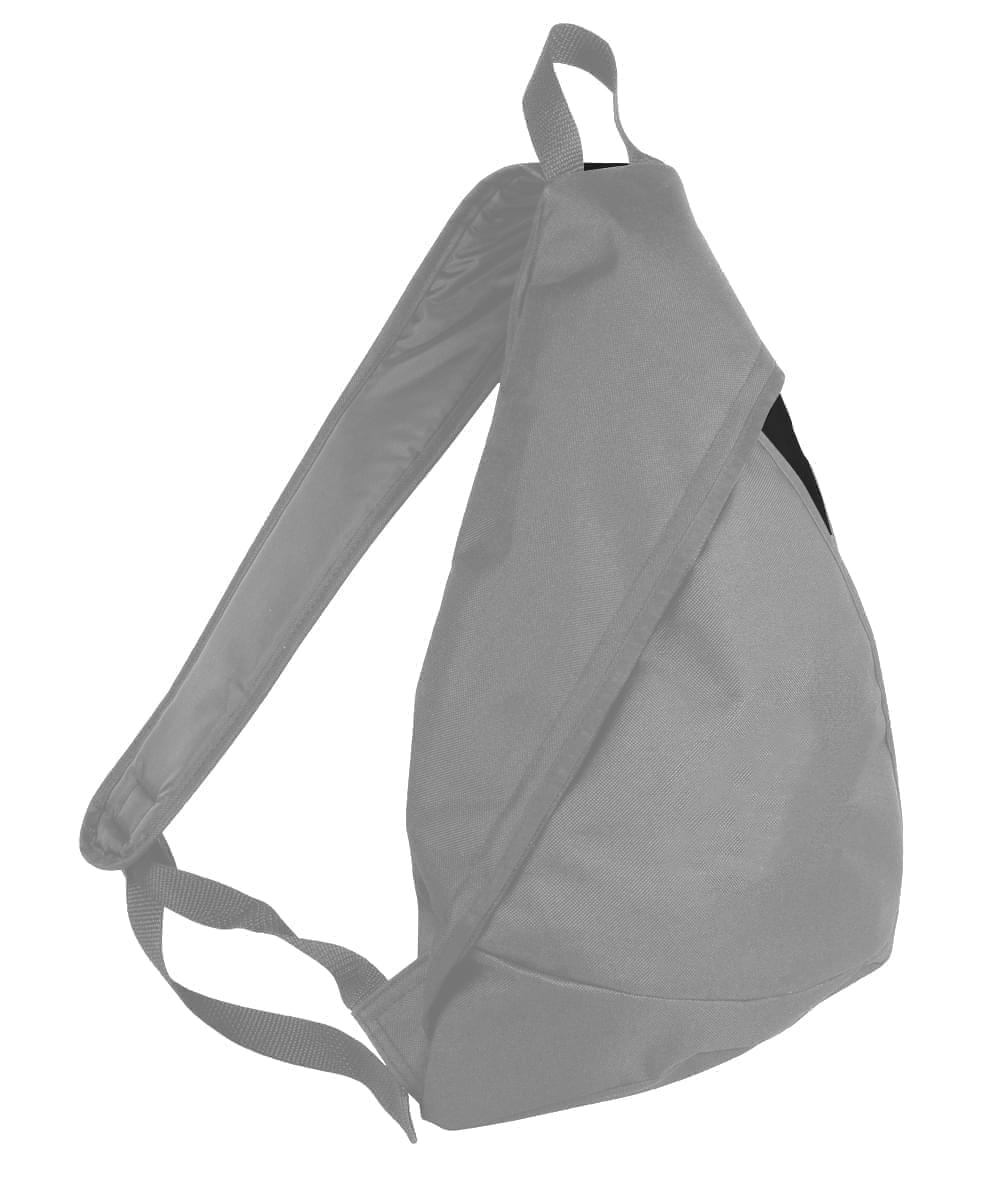 Sling Messenger Bags
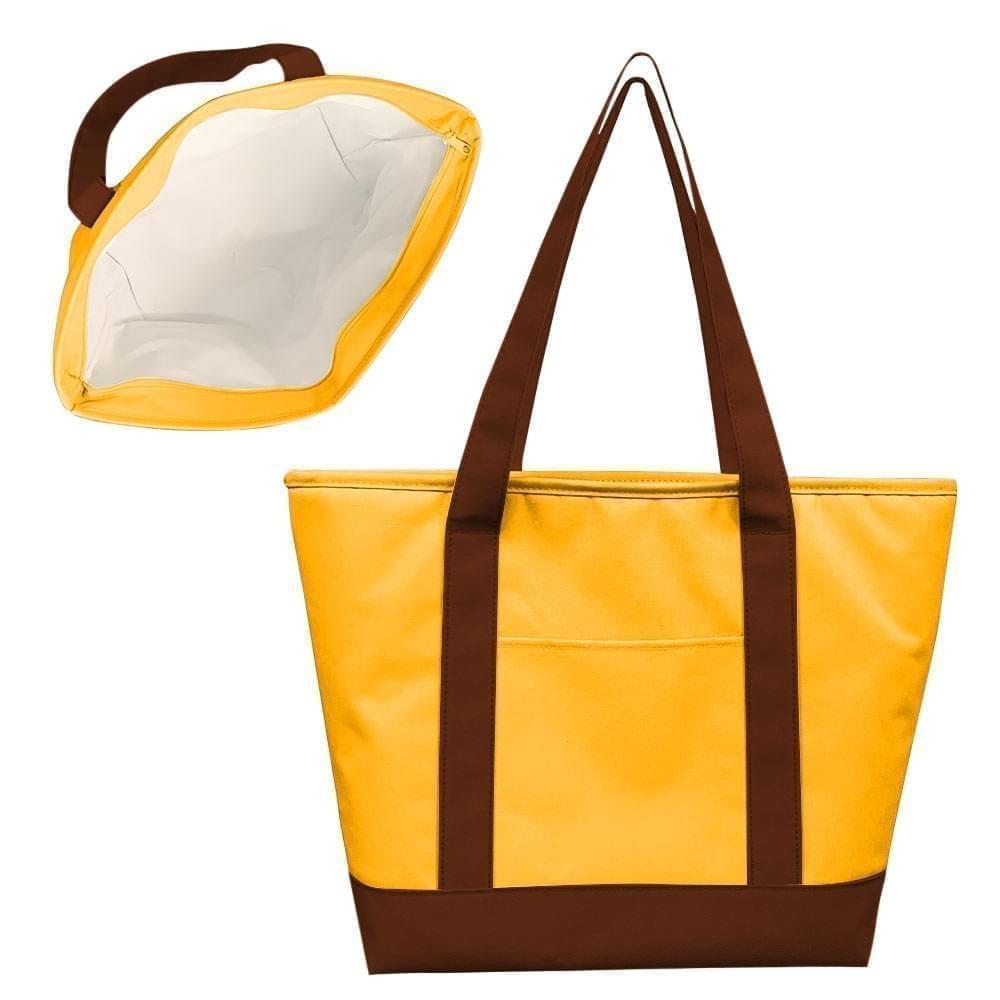 Cooler Bags
 Cuff Hats
 Beanies
 Scarves
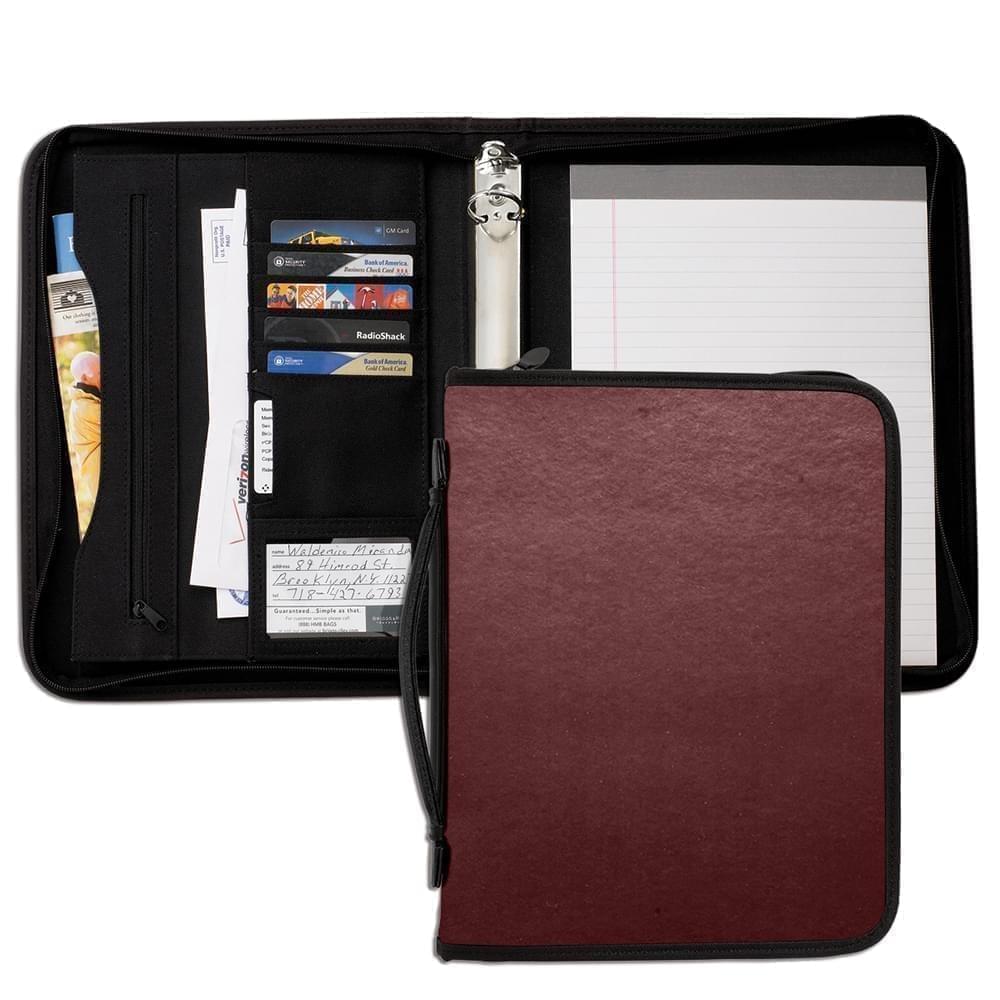 Zipper Folders
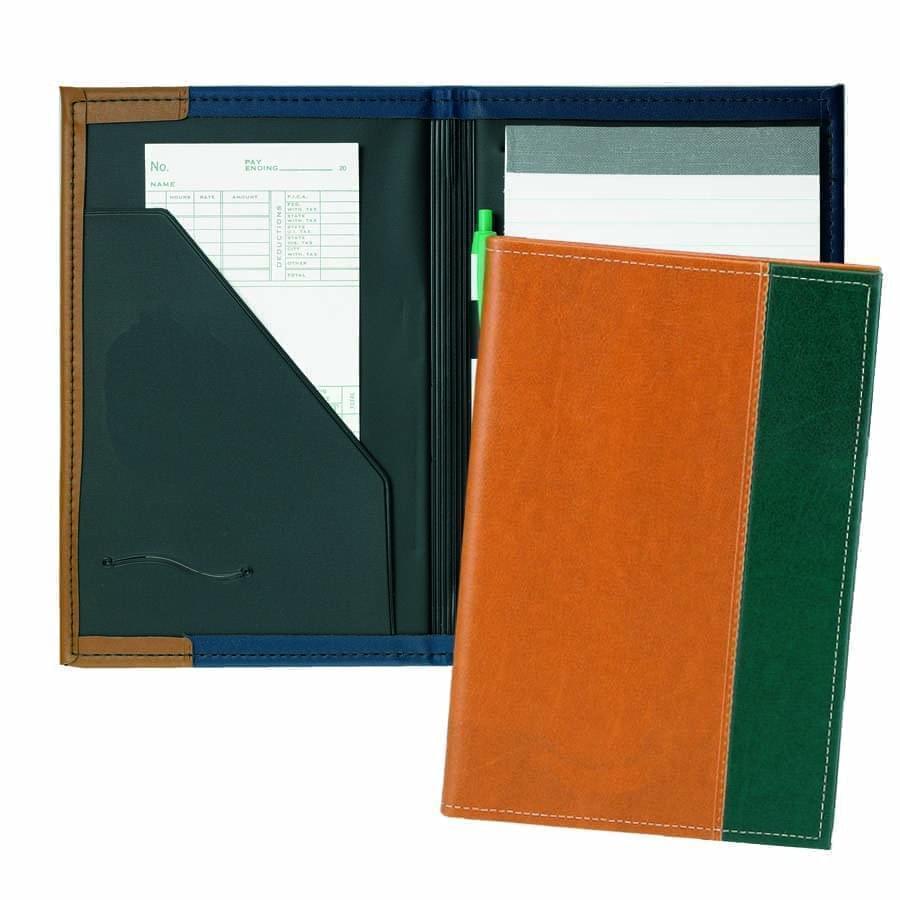 Stitched Folders
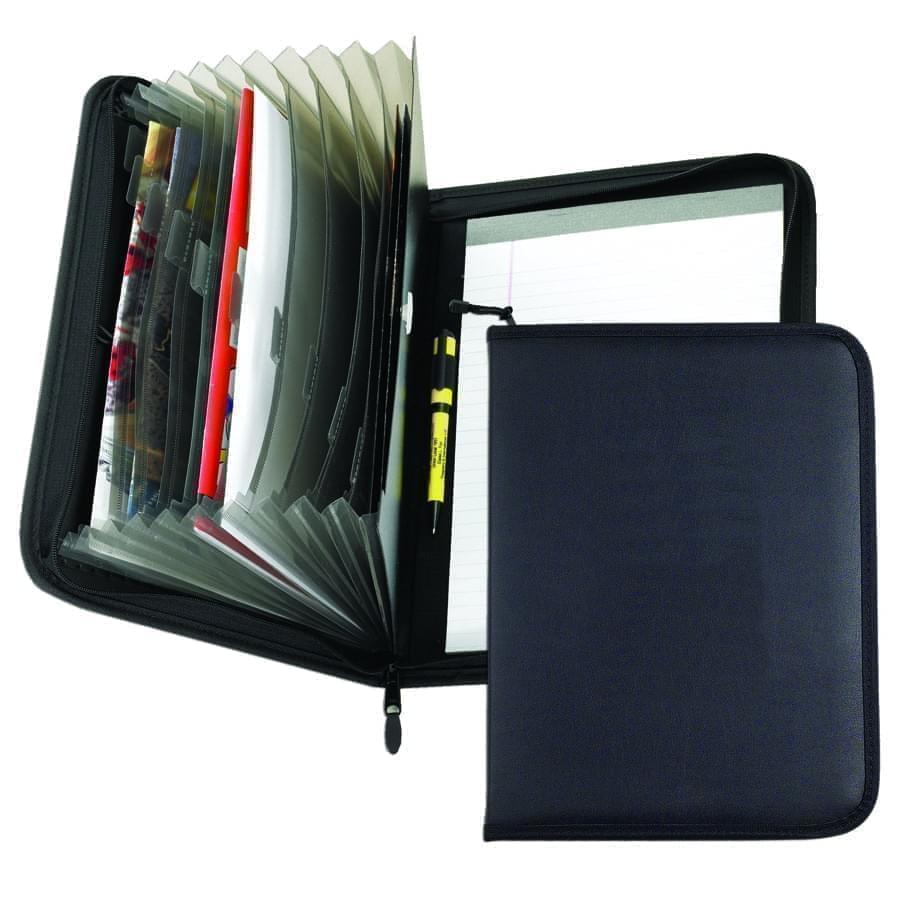 Accordion Folders
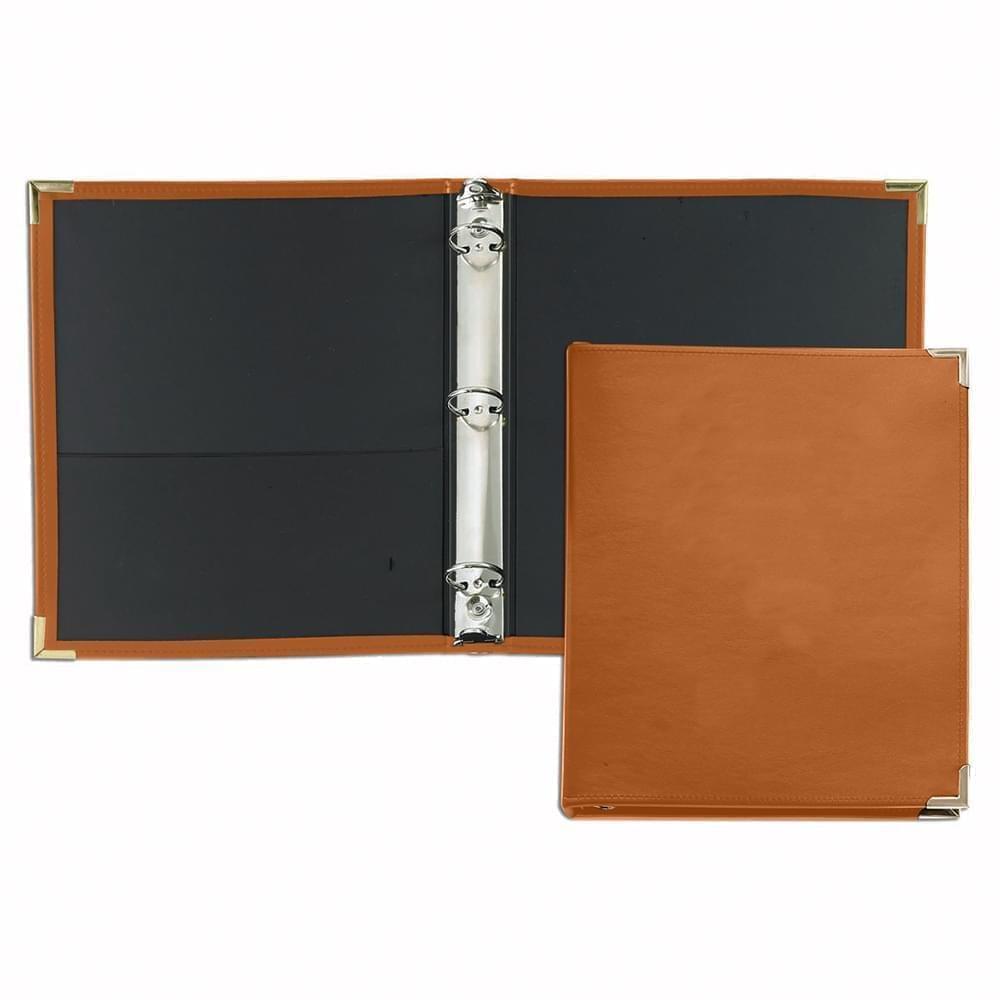 Ring Binders
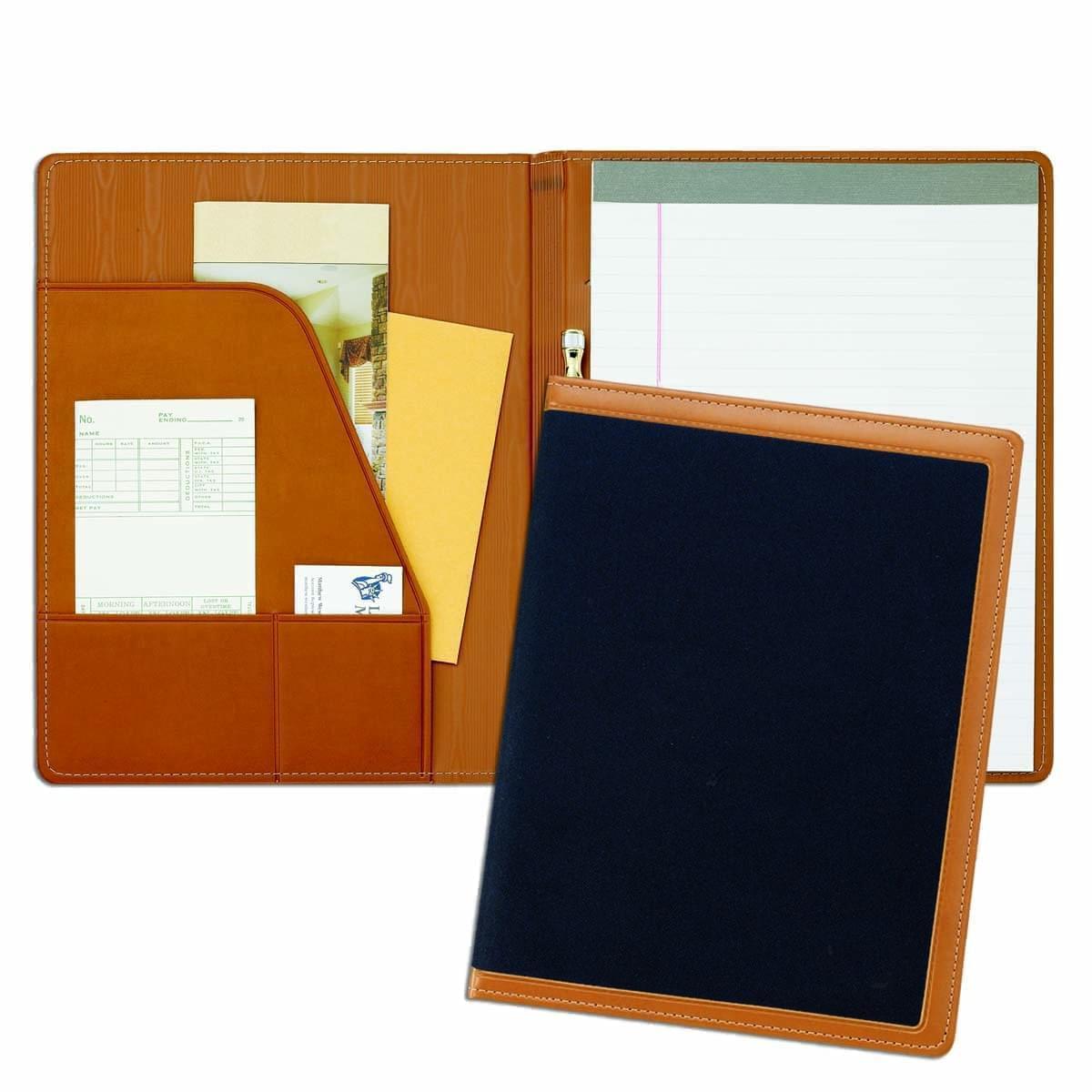 Letter Folders
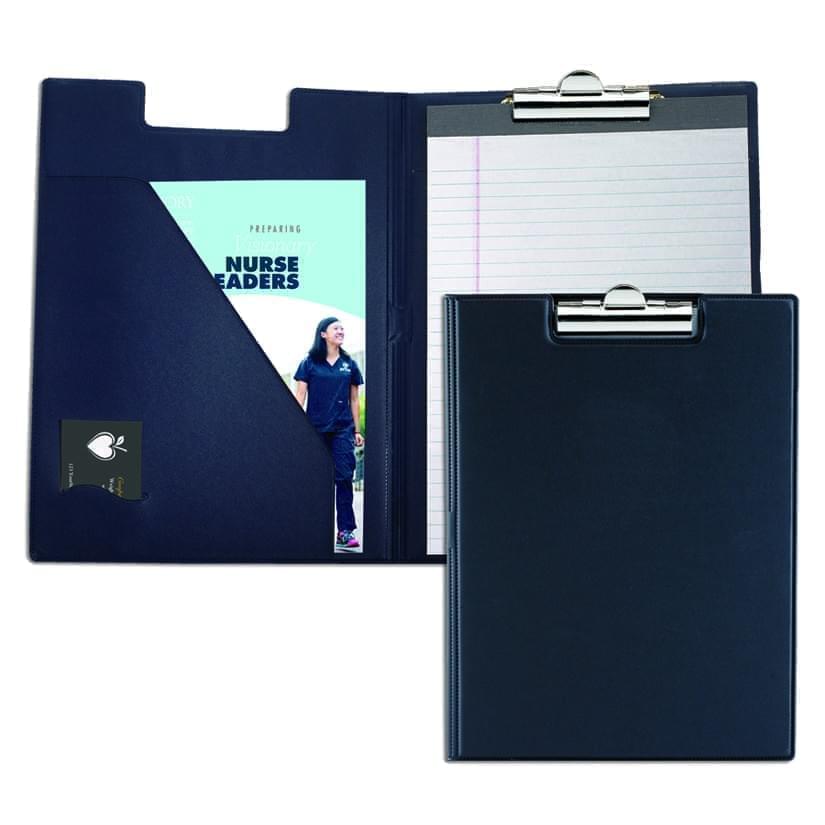 Clipboards
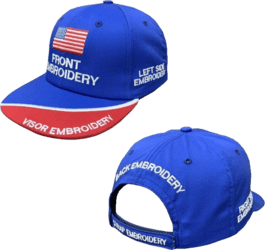
 Union Made In USA
By Mitch Cahn, President, Unionwear
Our 125,000-SKU catalog solves a problem importers and custom shops both face: buyers don’t want to design or negotiate, they want to buy a finished product fast. The SKUs are templates, not inventory. They let us handle custom demand the way a volume producer handles stock, without the email-heavy quote cycle, and they put a unique page on the web for hat configurations no one else lists.
Why do other hat suppliers offer so few options?
Most hat suppliers carry at most a few thousand SKUs because every stocked style is a bet. To carry inventory you forecast demand months ahead, tie up capital and accept that a share of it won’t sell at full price. Offering 125,000 stocked styles would bury a traditional supplier in dead stock. So suppliers keep the catalog small and tell buyers, “We’ll custom-make what you don’t see,” which puts the buyer right back into the friction they were trying to avoid.
How can Unionwear offer 125,000 SKUs without warehousing them?
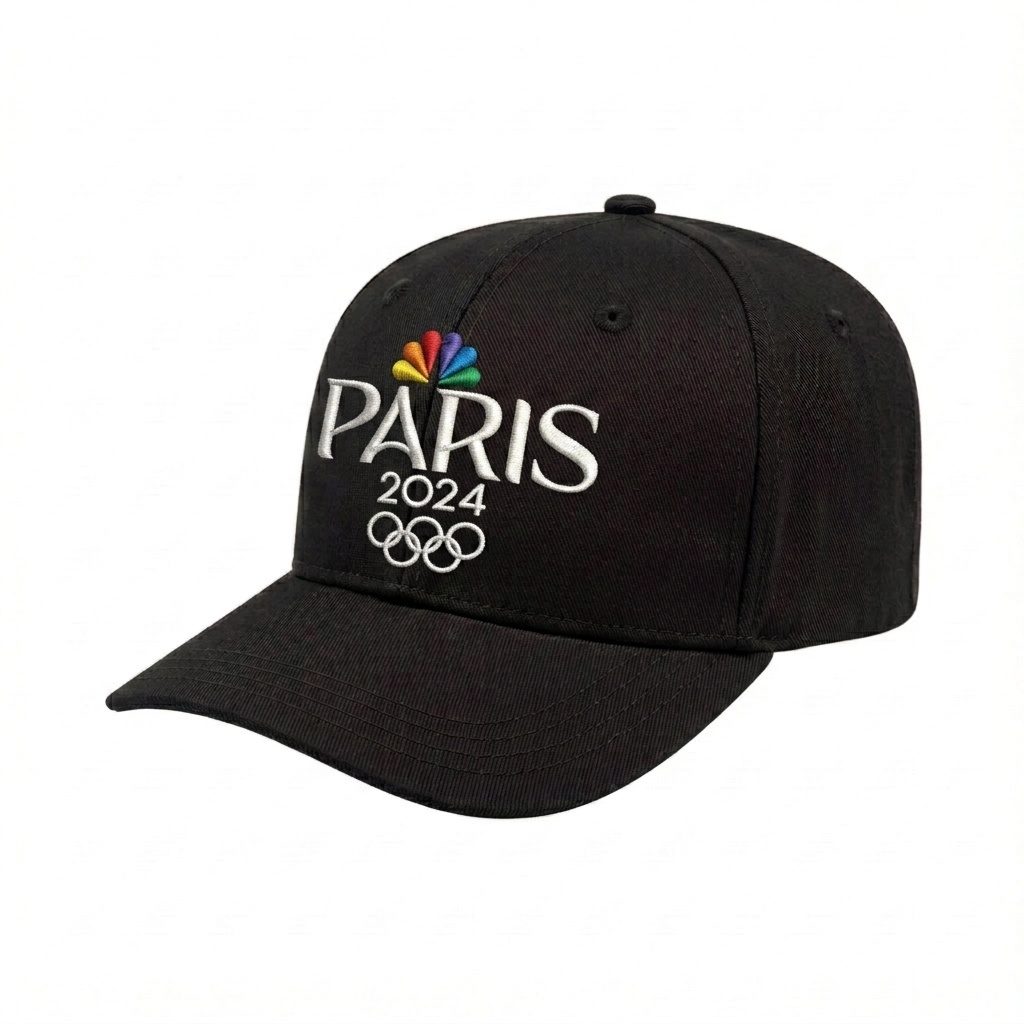
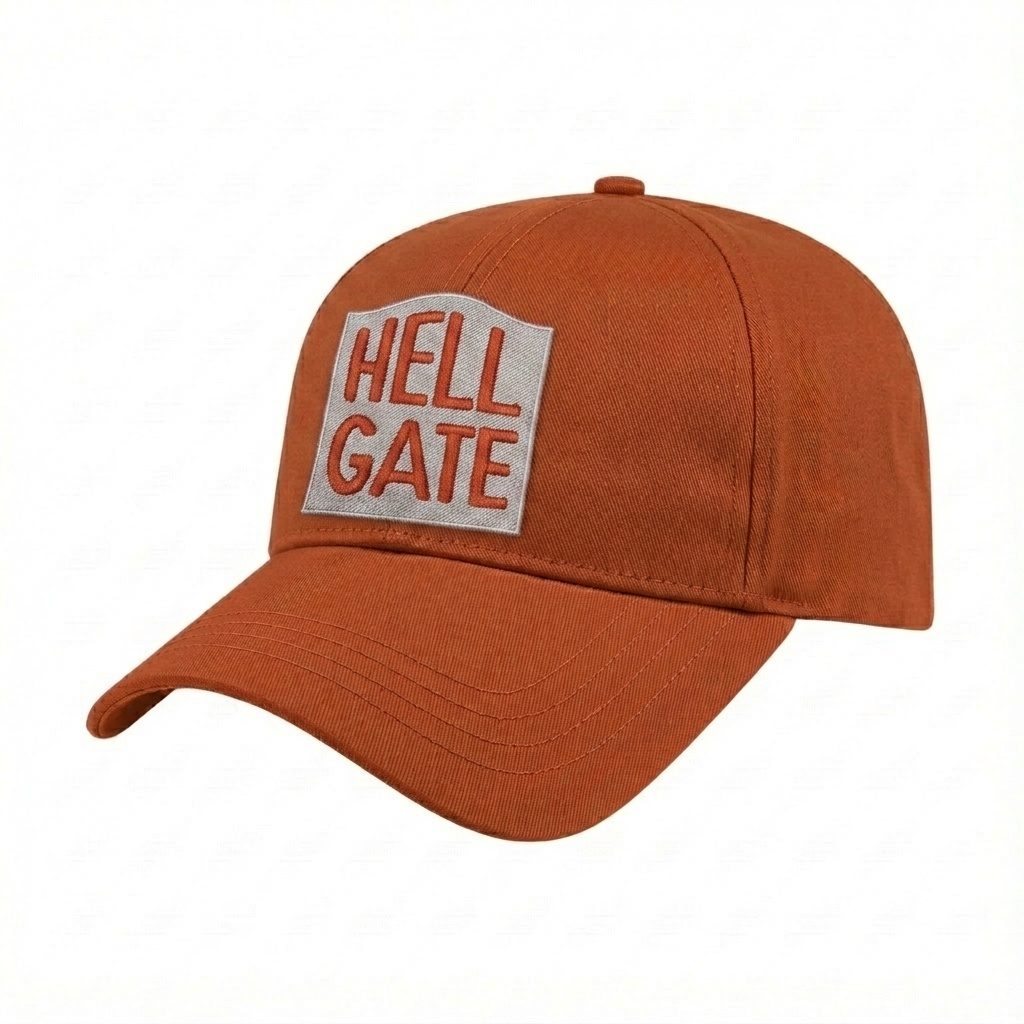
We don’t warehouse 125,000 hats. The SKUs are pre-configured templates combining crown shape, fabric, visor, color and closure, covering nearly every option the promotional products industry offers plus combinations no one else makes. Browse our dad hats, trucker hats or 5 panel hats and every page is the same template system at work. We stock a few dozen of the most popular styles and make everything else to order.
Everybody assumes 125,000 SKUs means a warehouse the size of an airport. We stock a few dozen proven sellers and 125,000 recipes. A SKU is a combination our ERP already knows how to build. The buyer gets a superstore; the plant gets a production order; nobody gets dead inventory. An importer can’t copy that, because their catalog is a bet they placed six months ago. Ours is a menu we can cook from tomorrow.
We studied the crown shapes and combinations the industry offers to make sure the catalog covers them all, then added the ones it doesn’t. Because we see real demand across the whole catalog, we stock to observed demand instead of guessing.
What do you actually gain as a buyer?
Three things.
- Selection at scale. Competitors offer a few thousand SKUs at most. You are far more likely to find exactly the hat you want without a custom order.
- Superstore simplicity. No design work, no quote cycle, no back-and-forth. Find a SKU, order it, it ships.
- Effortless reorders. Every product is a SKU, so a reorder is re-entering the SKU. No re-specifying, no new quote, and the reorder matches the original.
As a bonus, tens of thousands of our SKUs are the only place on the web that exact combination of features and colors appears. A buyer searching for a specific configuration tends to land on Unionwear.
How does this work on the manufacturing side?
Before the SKU model, every order was custom. A distributor had a hat in mind, we quoted it, they had changes, we revised; back and forth on price, design approval, materials, thread colors, placement. Dozens of emails and days or weeks of cycle time.
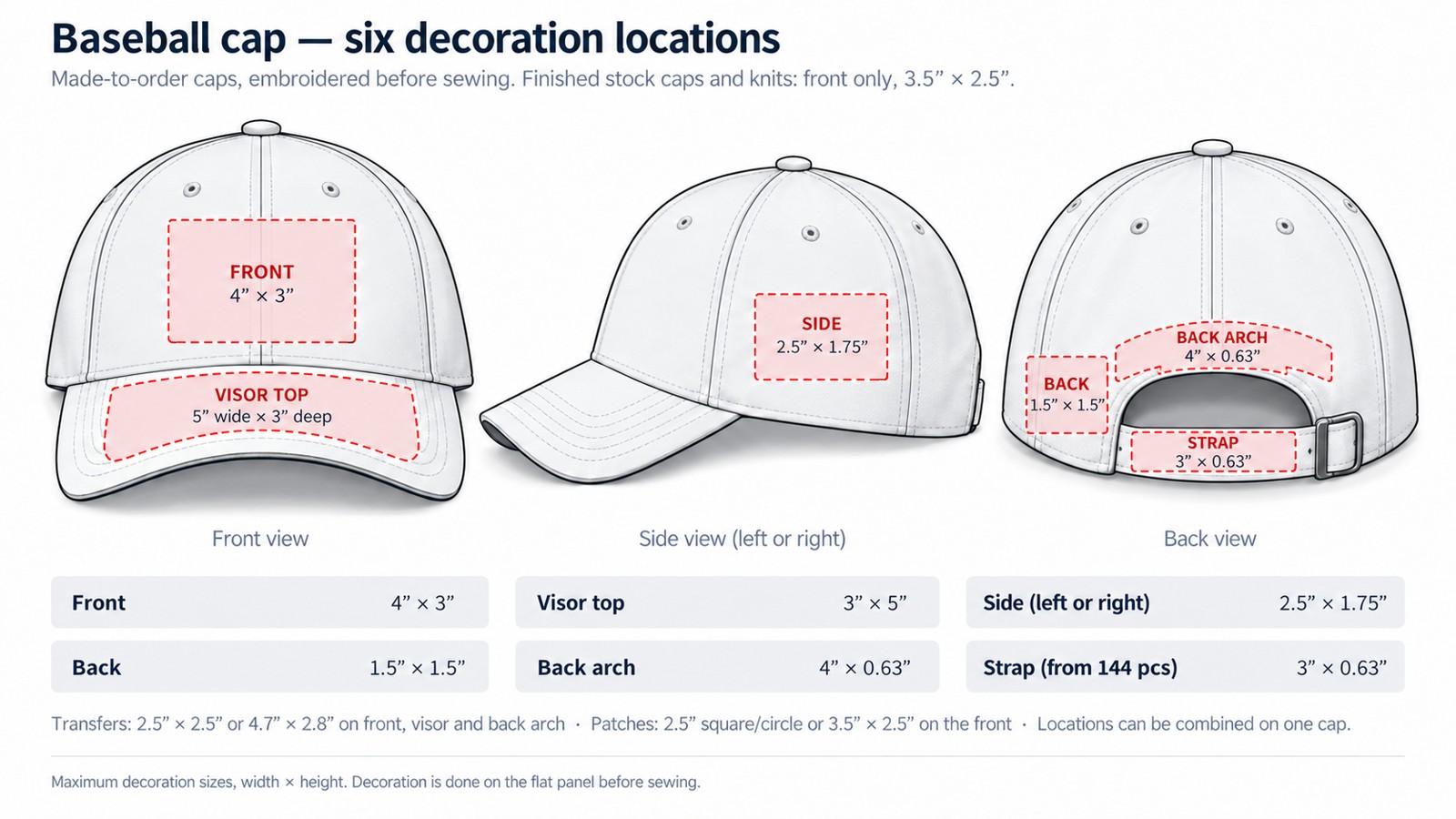
Now a buyer orders by SKU, say a navy six-panel unstructured cap with a leather closure. It enters our ERP and the rest is automated: materials ordered, production scheduled, hats made and shipped. The buyer experiences a superstore; the plant runs custom production like volume production. That is what we mean by commoditizing customization. We are also developing AI to handle the truly custom orders that don’t fit a template: it will build the order and assign it a SKU the ERP understands, pulling one-off work into the same pipeline.
How does this model keep up with trends?
With 125,000 SKUs live on the site, we see what buyers search for and which configurations are trending. When demand surfaces we can add thousands of new SKUs almost immediately and start making them, because they are templates, not pre-produced stock. When a trend fades there is no dead stock to clear. An importer with a fixed, pre-committed inventory simply cannot do this.
Why is this hard to copy?
The model only works when three things exist together: products that can be made to order efficiently, an ERP that routes template SKUs straight into production, and the manufacturing discipline to build them fast. Importers and small custom shops rarely have all three.
| Factor | Traditional importer or custom shop | Unionwear SKU superstore |
|---|---|---|
| Catalog size | A few thousand SKUs at most | 125,000+ SKUs |
| What the SKUs are | Pre-bought inventory | Made-to-order templates |
| Inventory risk | High: stock bought months ahead | Low: stocks only proven sellers |
| Getting a non-standard style | Custom order, dozens of emails, quote cycle | Order a SKU; the ERP does the rest |
| Reordering | Re-specify and re-quote | Re-enter the same SKU |
| Responding to a trend | Stuck with the pre-committed buy | Add thousands of SKUs quickly |
| Buyer experience | “Design your custom hat” friction | Find it, order it, done |
What does this mean for you?
Browse our made in USA baseball caps and find your cap by SKU. If you don’t see it, ask. We can make it, and we are building the tools to make even that effortless. Request a quote.
Published November 2026. Refreshed quarterly; changes are noted here.


